
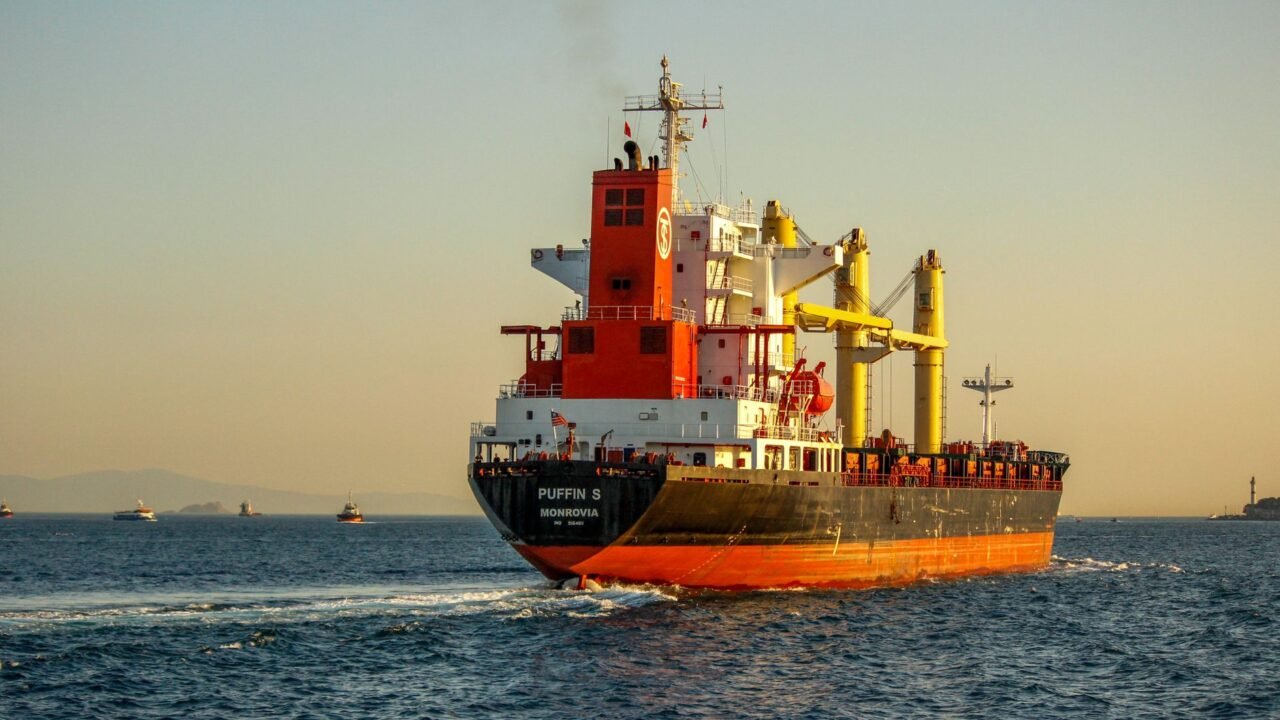
A foundational maritime agreement governing the primary shipping lanes through the strategically vital Strait of Hormuz, a pact forged in 1968 between Iran and Oman, is reportedly facing significant challenges from Tehran. This long-standing accord has been instrumental in defining the pathways for international commerce and naval transit in one of the world’s most critical chokepoints. The reported rejection by Iran signals a potential shift in regional maritime governance and could have far-reaching implications for global trade and security dynamics.
Information reaching Tahir Rihat suggests that Iran’s stance on the 1968 pact is evolving, potentially leading to a renegotiation or outright dismissal of its terms. The agreement, established during a period of different geopolitical realities, has historically facilitated the orderly passage of vessels through the narrow strait, which separates the Persian Gulf from the Gulf of Oman. The Strait of Hormuz is a vital artery for oil shipments, with a significant portion of the world’s crude oil passing through its waters daily. Any disruption or alteration to the established shipping routes could lead to increased transit costs, heightened insurance premiums, and potential supply chain disruptions for energy markets worldwide.
The 1968 pact was a bilateral arrangement between Iran and Oman, two littoral states that share control over the strait’s maritime boundaries. Its existence has provided a framework for cooperation and the management of maritime traffic, ensuring a degree of predictability and safety for commercial and military vessels. The details of the pact, while not publicly disseminated in full, are understood to delineate specific channels and protocols for navigation. The reported challenge from Iran, a major regional power, indicates a desire to assert greater control or influence over this crucial waterway. The motivations behind Iran’s potential rejection are multifaceted, likely encompassing national security interests, economic considerations, and a broader assertion of sovereignty in a strategically sensitive area.
The implications of Iran’s challenge to the 1968 pact extend beyond bilateral relations with Oman. The international community, particularly nations heavily reliant on oil imports from the Persian Gulf, will be closely monitoring these developments. The United States and its allies, who maintain a significant naval presence in the region to ensure freedom of navigation, will also be assessing the impact on regional stability. The Strait of Hormuz has been a focal point of geopolitical tensions in the past, and any perceived threat to its open passage could escalate existing rivalries and create new security concerns. The potential for increased maritime incidents or confrontations, whether accidental or intentional, would be a significant worry for global maritime security.
Oman, as the other signatory to the 1968 pact, will be a key player in any discussions or negotiations that arise from Iran’s position. The Sultanate has historically pursued a policy of neutrality and mediation in regional conflicts, and its response to Iran’s challenge will be crucial in determining the future of maritime governance in the Strait of Hormuz. The nature of Iran’s rejection, whether it is a complete withdrawal from the pact or a demand for amendments, will shape the subsequent diplomatic and potentially security-related responses from regional and international actors. The historical context of the pact, negotiated at a time when both Iran and Oman were under different leaderships and facing different regional dynamics, might also play a role in the current discussions.
The current geopolitical landscape, characterized by ongoing tensions in the Middle East, adds another layer of complexity to this developing situation. Iran’s assertion of its position on the Strait of Hormuz could be interpreted as a move to bolster its regional influence and counter perceived external pressures. The international legal framework governing maritime straits, such as the United Nations Convention on the Law of the Sea (UNCLOS), provides general principles for transit passage, but specific bilateral agreements like the 1968 pact often establish more detailed operational frameworks. The potential void or uncertainty created by the rejection of this pact could necessitate new agreements or a greater reliance on the broader international legal framework, which may not fully address the specific operational nuances of this particular strait.
The economic ramifications of any instability in the Strait of Hormuz are substantial. Global energy markets are highly sensitive to supply disruptions, and the strait’s role as a conduit for approximately 20% of global oil consumption means that any threat to its security can trigger significant price volatility. Businesses and governments worldwide will be assessing the potential risks and developing contingency plans to mitigate the impact of any adverse developments. The long-term implications for global trade routes and energy security will depend on how Iran’s challenge is addressed and whether a stable and predictable maritime regime can be maintained through diplomatic means or the establishment of new agreements.

Tahir Rihat (also known as Tahir Bilal) is an independent journalist, activist, and digital media professional from the Chenab Valley of Jammu and Kashmir, India. He is best known for his work as the Online Editor at The Chenab Times.






Leave a Reply