
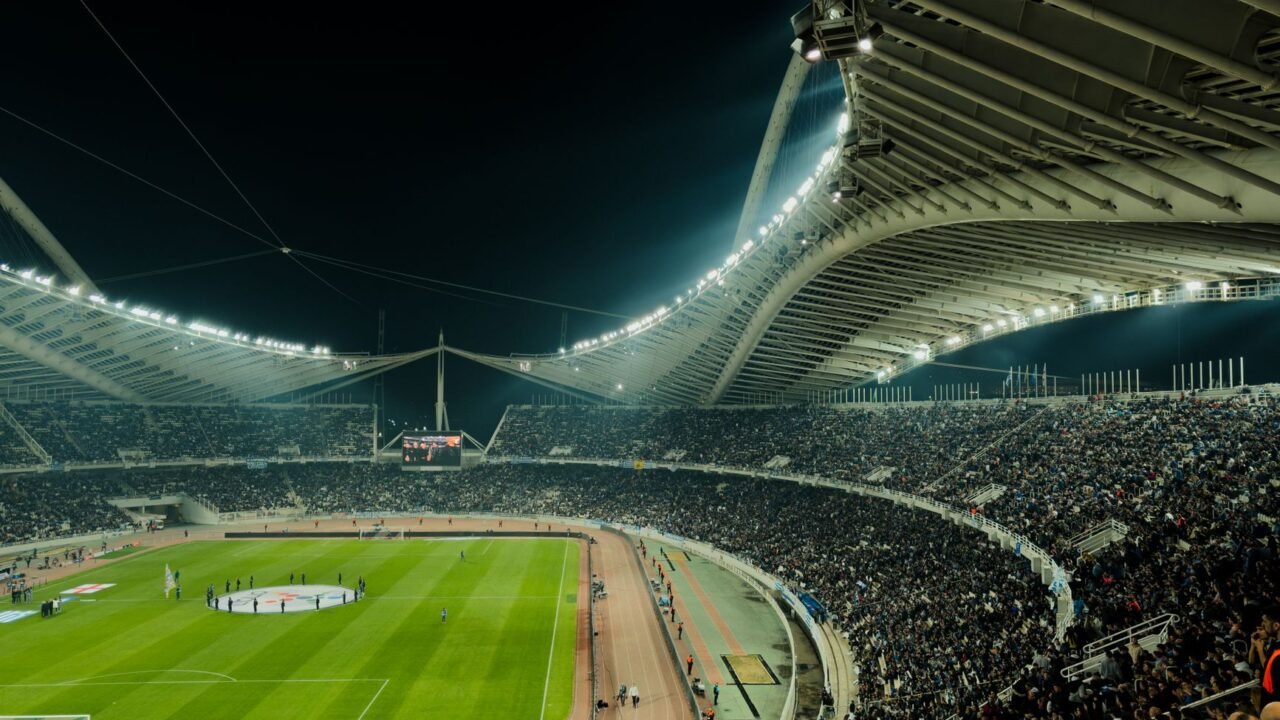
The final whistle has blown on Toronto’s tenure as a FIFA World Cup host city, with a compelling match between Portugal and Croatia marking the end of an era. This encounter, featuring global footballing giants, provided a fittingly dramatic conclusion to the city’s hosting duties, drawing significant attention from fans and media alike.
Information reaching Tahir Rihat suggests that the atmosphere in the stadium was electric, a testament to the passion for the sport that has permeated the city throughout the tournament. The clash between Portugal, led by its iconic star Cristiano Ronaldo, and a resilient Croatian side, known for its midfield prowess, promised a high-stakes contest. This game was not just about the points on the board, but also about etching a memorable final chapter for Toronto’s World Cup legacy.
The significance of this match extends beyond the immediate sporting spectacle. For Toronto, hosting the World Cup has been a multi-year endeavor, involving extensive planning, infrastructure development, and a concerted effort to engage the local community. The final game serves as a moment of reflection on the success of these efforts and the lasting impact the tournament has had on the city’s profile as a global sporting hub. The economic and cultural benefits, often debated during the planning stages, are now being assessed as the event draws to a close.
Portugal, with its rich footballing history and a squad brimming with talent, entered the match with the weight of expectation. Their journey through the tournament has been closely watched, with every performance scrutinized by a global audience. The presence of Cristiano Ronaldo, a figure synonymous with modern footballing excellence, automatically elevates the stakes and the fan interest in any match he participates in. His ability to influence games, even in the twilight of his career, remains a key factor for his team’s aspirations.
Croatia, on the other hand, has consistently proven itself to be a formidable opponent on the international stage, often punching above its weight. Their tactical discipline, combined with individual brilliance in midfield, has made them a difficult team to break down. The encounter with Portugal was anticipated to be a tactical battle, with both teams seeking to impose their style of play and exploit any weaknesses in the opposition’s formation. The resilience that has characterized Croatian football was expected to be on full display.
The implications of this final match for Toronto are multifaceted. Beyond the immediate economic boost from tourism and event-related spending, the tournament has provided a platform for showcasing the city’s diversity and its capacity to host major international events. The legacy of the World Cup in Toronto will likely be measured by the increased interest in football at the grassroots level, the potential for future sporting event bids, and the enhanced global perception of the city as a vibrant and capable host. The infrastructure improvements made for the tournament, such as upgrades to transportation networks and public spaces, are also expected to have a lasting positive impact on the lives of residents.
As the players took to the field, the culmination of years of preparation and the hopes of millions of fans converged. The final game in Toronto was more than just a football match; it was a celebration of the sport, a testament to international cooperation, and a memorable closing act for a city that has embraced the World Cup with enthusiasm. The memories created on this day will undoubtedly linger, serving as a benchmark for future major sporting events hosted in the city.
The strategic approach of both teams was evident from the outset. Portugal, known for its attacking flair, sought to utilize the speed and skill of its wingers to create scoring opportunities, while also relying on the experience of Ronaldo to provide a focal point in attack. Their midfield aimed to control possession and dictate the tempo of the game, feeding the forwards with precise passes. The defensive unit was tasked with containing Croatia’s creative midfielders and preventing them from launching dangerous attacks.
Croatia’s game plan was likely centered on stifling Portugal’s attacking threats and capitalizing on counter-attacking opportunities. Their midfield, often a source of creativity and control, would have been crucial in disrupting Portugal’s rhythm and launching swift transitions. The defense, characterized by its organization and tenacity, would have been focused on limiting clear-cut chances for the Portuguese forwards. The tactical nuances of the match were expected to unfold throughout the 90 minutes, with coaches making adjustments to counter the evolving dynamics of the game.
The fan experience in Toronto has been a significant aspect of the tournament. The city’s multicultural fabric has contributed to a vibrant and inclusive atmosphere, with supporters from various nations converging to cheer on their teams. The final match provided a last opportunity for these fans to experience the World Cup atmosphere in Toronto, creating a sense of shared celebration and camaraderie. The legacy of the fan engagement initiatives implemented by the host city will be a key area of evaluation in the post-tournament period.
The economic impact of hosting such a major event is always a subject of considerable analysis. Reports from various agencies indicated a substantial influx of tourists and significant spending in the hospitality, retail, and transportation sectors. The final game, being a marquee fixture, would have drawn a large contingent of international and domestic visitors, further contributing to the economic activity. The long-term benefits, such as increased tourism and investment, are often more difficult to quantify but are considered crucial for justifying the significant resources invested in hosting the World Cup.
As the tournament concludes in Toronto, the focus shifts to the broader implications for the sport in Canada. The visibility and excitement generated by the World Cup are expected to inspire a new generation of footballers and enthusiasts. The legacy of this event will be measured not only by the immediate successes on the field but also by its contribution to the growth and development of football across the nation. The final match between Portugal and Croatia served as a powerful reminder of the global appeal and unifying power of the beautiful game.

Tahir Rihat (also known as Tahir Bilal) is an independent journalist, activist, and digital media professional from the Chenab Valley of Jammu and Kashmir, India. He is best known for his work as the Online Editor at The Chenab Times.


Leave a Reply