
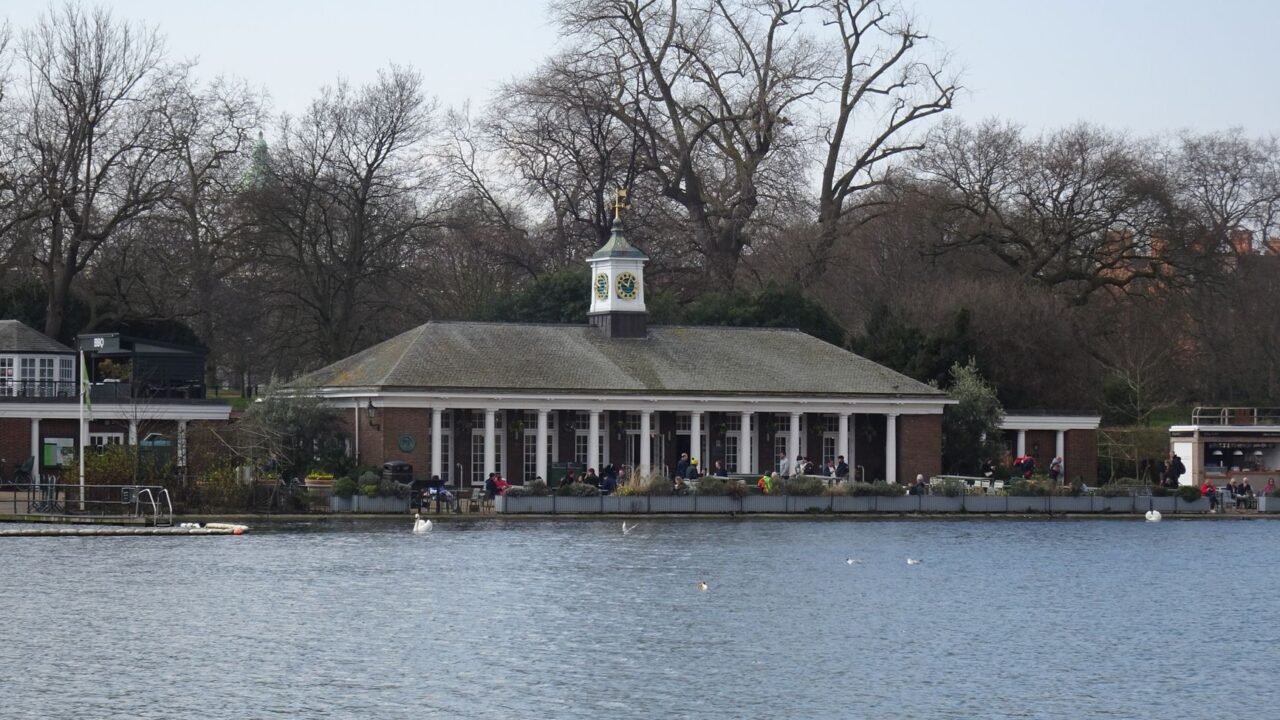
London is experiencing an intense heatwave, leading to a significant surge in demand for outdoor swimming facilities. The city’s existing pools are struggling to accommodate the influx of residents seeking respite from the soaring temperatures. This escalating competition for aquatic spaces has prompted some individuals to explore alternative, less conventional options, such as natural ponds and canals, which themselves present a unique set of challenges and risks.
The sheer volume of people flocking to public swimming spots has created a palpable sense of urgency and, at times, frustration. Lifeguards and facility operators are reporting unprecedented levels of attendance, with many locations reaching their capacity limits early in the day. This situation underscores the growing need for more accessible and diverse recreational water spaces within the urban environment, especially as climate change contributes to more frequent and severe heat events.
As per information available with Tahir Rihat, the scarcity of readily available outdoor swimming options is forcing Londoners to consider bodies of water that are not officially designated for public swimming. While the allure of a cool dip in a natural setting is understandable, these unofficial swimming locations often lack the safety measures and supervision found at managed pools. The risks associated with swimming in ponds and canals include strong currents, submerged debris, poor water quality, and potential hazards from wildlife.
The scramble for a cooling swim highlights a broader issue of urban infrastructure adapting to a changing climate. Cities worldwide are facing similar pressures to provide adequate public amenities that can help residents cope with extreme heat. The current situation in London suggests that a comprehensive review of existing recreational facilities and the potential development of new, safe, and accessible outdoor swimming areas is becoming increasingly critical. The long queues and crowded conditions at established pools are a clear indicator that current provisions are insufficient to meet the growing demand generated by the hotter climate.
The trend of seeking out natural water bodies, while a testament to the human desire for relief, also raises public health and safety concerns. Local authorities are often ill-equipped to monitor and manage these informal swimming spots, leaving individuals to navigate potentially dangerous environments without adequate guidance or emergency support. The potential for accidents and health issues related to waterborne pathogens is a significant worry for health officials.
The situation is likely to persist as long as the heatwave continues, putting further strain on existing resources and potentially leading to increased incidents. The reliance on natural water sources, while seemingly a solution, introduces a new layer of complexity to public safety management. The long-term implications point towards a need for strategic urban planning that prioritizes climate resilience and the well-being of its inhabitants through the provision of adequate and safe recreational facilities.
The intense heat has not only driven people to seek water but has also put a strain on other public services. Emergency services are reporting an increase in heat-related illnesses, further emphasizing the impact of the prolonged high temperatures. The demand for outdoor swimming is a visible manifestation of the broader challenges posed by a warming planet, requiring a multifaceted approach that addresses both immediate needs and long-term adaptation strategies.
The competition for space in London’s outdoor pools is fierce, with many residents facing disappointment as facilities reach their operational limits. This has led to a growing interest in less regulated swimming locations, a development that is causing concern among safety experts. The desire for a refreshing swim is understandable, but the risks associated with these alternative sites cannot be overlooked.
The current scenario in London serves as a microcosm of a global challenge. As cities become hotter, the need for effective strategies to combat heat stress and provide adequate public amenities becomes paramount. The scramble for outdoor swimming pools is a clear signal that urban planning and public health initiatives must evolve to meet the demands of a changing climate. The long queues and the search for unofficial swimming spots are indicative of a system under pressure, prompting a re-evaluation of how cities can best support their populations during extreme weather events.
The implications of this trend extend beyond immediate relief. It points to a potential shift in how urban populations interact with their environment, seeking out natural elements for recreation and well-being. However, this shift must be managed carefully to ensure that public safety remains the top priority. The current situation in London is a stark reminder that proactive planning and investment in climate-resilient infrastructure are essential for the future of urban living.
The ongoing heatwave is expected to continue for several more days, suggesting that the pressure on outdoor swimming facilities and the temptation to use natural water bodies will remain high. This prolonged period of extreme temperatures necessitates a robust response from city officials and a heightened awareness of safety protocols among the public. The long-term consequences of failing to address these issues could include increased health risks and a diminished quality of life for urban dwellers.

Tahir Rihat (also known as Tahir Bilal) is an independent journalist, activist, and digital media professional from the Chenab Valley of Jammu and Kashmir, India. He is best known for his work as the Online Editor at The Chenab Times.




Leave a Reply