
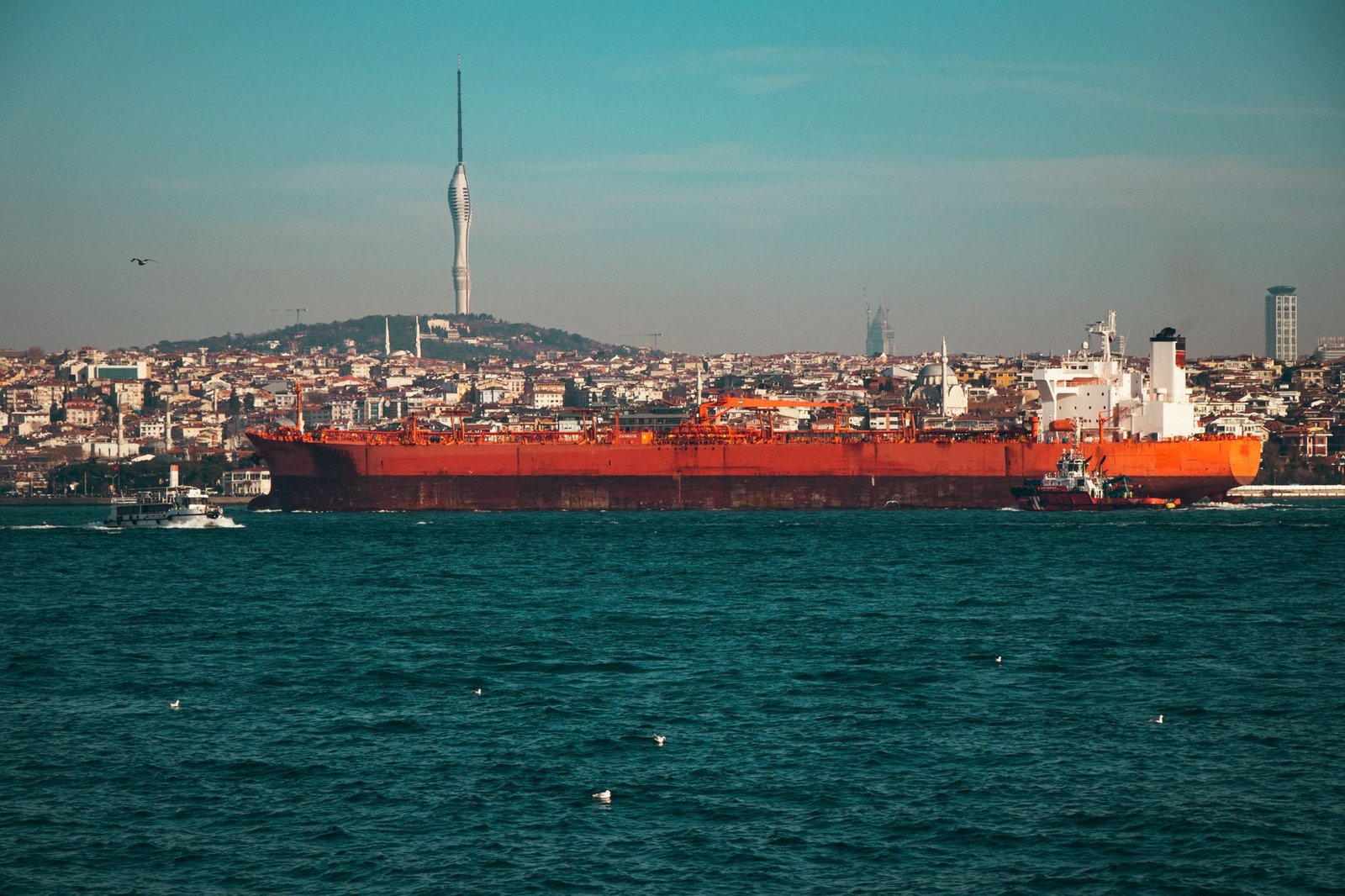
The global economy is once again facing significant disruptions, with rising energy prices, increased air travel costs, and potential food shortages looming as the conflict between the United States and Iran intensifies. The Strait of Hormuz, a critical chokepoint for global oil shipments, has become a focal point of escalating tensions, leading to renewed concerns about supply chain stability and the broader economic implications.
Information reaching Tahir Rihat suggests that the renewed hostilities, marked by airstrikes in the Middle East, are directly contributing to the volatility in international markets. Analysts are closely monitoring the situation, anticipating a sustained period of higher prices for essential commodities and services. The ripple effects are expected to be felt across various sectors, impacting both consumers and industries worldwide.
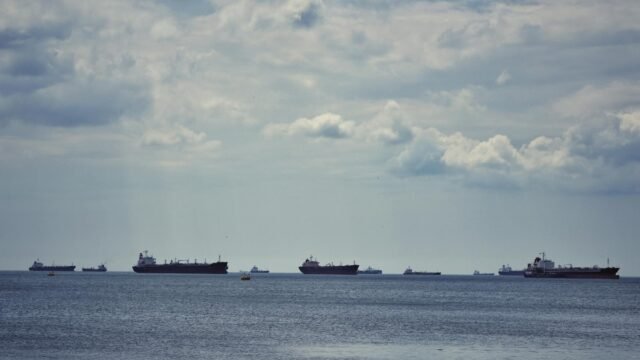
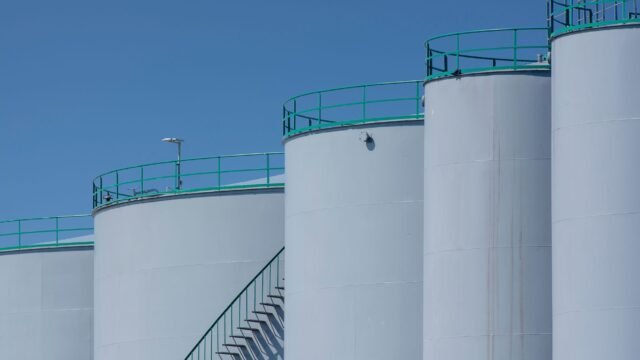
The Strait of Hormuz, through which a significant portion of the world’s oil supply transits, is particularly vulnerable to any military escalation. Disruptions in this vital waterway can lead to immediate spikes in crude oil prices, which in turn influence the cost of gasoline, diesel, and other petroleum-based products. This increase in energy costs has a cascading effect on transportation, manufacturing, and agriculture, ultimately driving up the prices of goods and services for consumers.
Beyond energy, the conflict’s impact on air travel is also a growing concern. Higher fuel costs directly translate to increased operational expenses for airlines, often leading to higher ticket prices for passengers. This can dampen demand for travel, affecting tourism and business connectivity. Furthermore, the geopolitical uncertainty can lead to flight rerouting or cancellations in affected regions, adding further complexity to international travel logistics.
The potential for food price inflation is another significant worry stemming from the conflict. Disruptions to shipping routes can impede the timely delivery of agricultural products and fertilizers. Moreover, increased energy costs impact the agricultural sector through higher expenses for fuel used in farming machinery and for transportation of produce. This combination of factors could lead to reduced availability and increased prices for food items, disproportionately affecting vulnerable populations.
The United States and Iran have a long history of strained relations, with the Strait of Hormuz frequently serving as a flashpoint. Previous incidents in the region have demonstrated the swift and significant impact that tensions can have on global energy markets. The current escalation suggests a renewed phase of confrontation, with potentially far-reaching economic consequences that could persist for an extended period.
Economic experts are cautioning that the current situation is not a short-term anomaly. The sustained nature of the conflict and its direct targeting of critical infrastructure like shipping lanes indicate that the elevated prices and supply chain challenges are likely to endure. Governments and international organizations are expected to closely monitor the developments, potentially exploring diplomatic avenues to de-escalate tensions and mitigate the economic fallout. However, the immediate outlook points towards continued market volatility and economic strain.
The implications for the global economy are substantial. Countries heavily reliant on oil imports will face increased import bills, potentially straining their foreign exchange reserves. Businesses that depend on global supply chains will need to navigate higher logistical costs and potential delays. Consumers, in turn, will likely experience a squeeze on their purchasing power as the cost of living rises. The interconnectedness of the global economy means that instability in one region can quickly transmit shocks across borders, underscoring the need for careful management and international cooperation in addressing such crises.

Tahir Rihat (also known as Tahir Bilal) is an independent journalist, activist, and digital media professional from the Chenab Valley of Jammu and Kashmir, India. He is best known for his work as the Online Editor at The Chenab Times.

Leave a Reply