
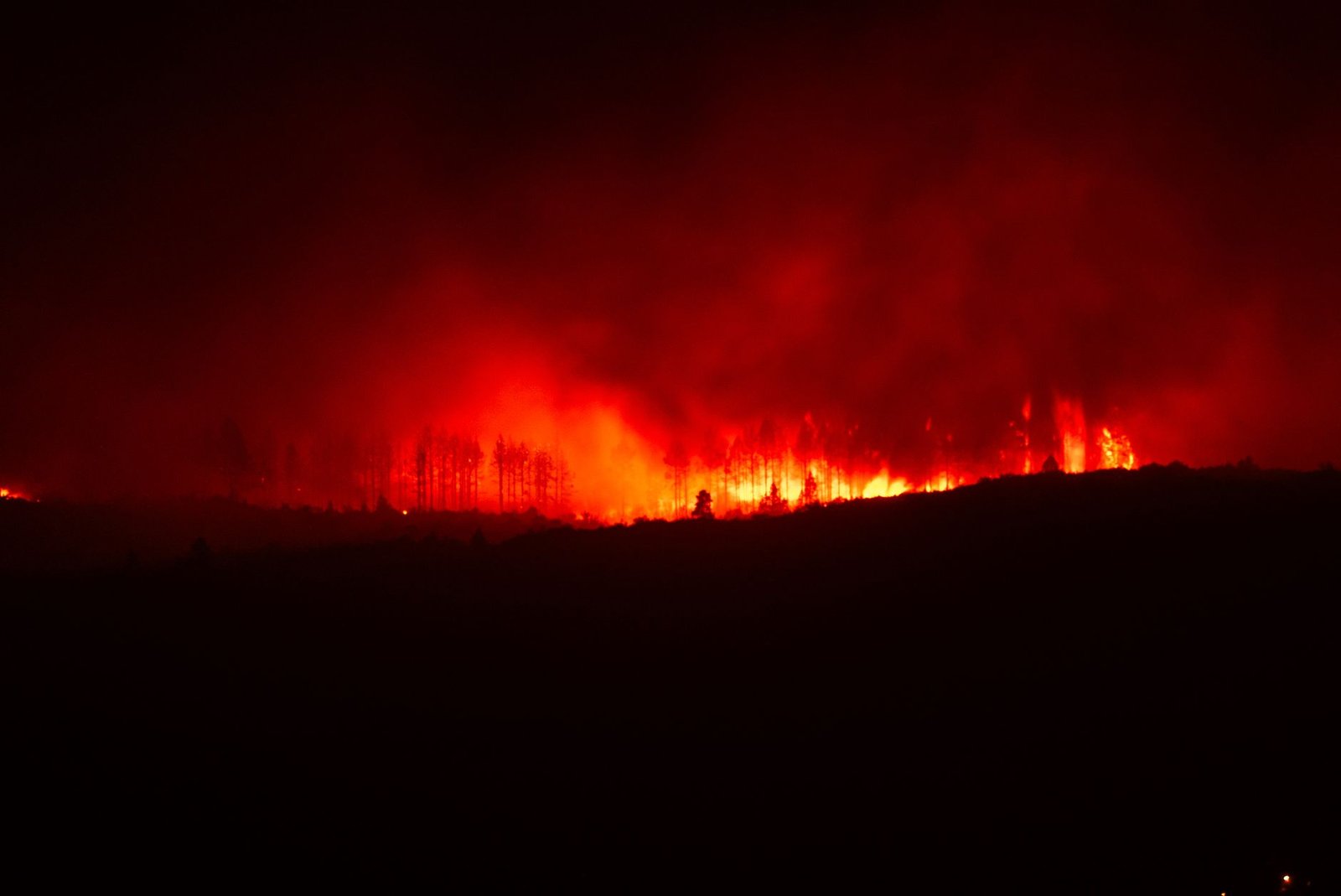
Wildfires across Canada are now burning around the clock, a concerning development attributed to rising overnight temperatures that are preventing fires from slowing down after dark. This persistent burning is placing an unprecedented strain on firefighting crews who are struggling to contain the blazes under these challenging conditions. The prolonged and intensified fire activity is a stark indicator of the escalating impact of climate change on the country’s vast forested regions.
Information reaching Tahir Rihat suggests that the phenomenon of fires continuing to spread aggressively through the night, a departure from historical patterns, is directly linked to warmer nocturnal temperatures. Traditionally, cooler night-time conditions allowed fire behavior to moderate, offering firefighters a crucial window for containment efforts. However, this year, the heat persists even after sunset, enabling flames to maintain their intensity and spread unabated.
The implications of this continuous burning are significant. Fire crews are facing extended periods of intense work without the usual respite offered by the night. This can lead to increased fatigue, higher risks of burnout, and a diminished capacity to effectively manage multiple fire fronts simultaneously. The sustained intensity of the fires also means that larger areas are being consumed, potentially leading to more significant environmental damage and posing greater threats to communities located near the fire zones.
The current wildfire season in Canada has already been marked by its severity and early onset. Numerous provinces have been battling significant blazes, leading to widespread evacuations and smoke plumes that have affected air quality across vast distances, even reaching into the United States. The inability of fires to naturally decelerate overnight exacerbates these existing challenges, creating a more volatile and unpredictable fire environment.
Experts have long warned about the increased risk of wildfires in a warming climate, citing factors such as drier vegetation, longer fire seasons, and more extreme weather events. The current situation in Canada appears to be a direct manifestation of these predictions, with the unusual overnight fire activity serving as a critical warning sign. The continuous burning also impacts the effectiveness of certain suppression strategies that rely on the diurnal cycle of fire behavior. For instance, aerial attacks and ground crews often plan their most intensive operations during periods when fire activity is expected to decrease.
The economic and social costs associated with these relentless wildfires are mounting. Beyond the immediate costs of firefighting and disaster response, there are long-term consequences including damage to timber resources, impacts on tourism, and potential health issues arising from prolonged exposure to smoke. The strain on emergency services, including the well-being of the firefighters themselves, is also a critical concern that requires sustained attention and support. The ongoing nature of these fires means that resources are being stretched thin, and the potential for new ignitions remains high given the dry conditions prevalent in many areas.
The persistence of high temperatures throughout the night is a critical factor that distinguishes this year’s wildfire season. It signifies a shift in the fundamental dynamics of fire behavior, making traditional firefighting approaches less effective and necessitating adaptive strategies. The continuous combustion means that the fuel sources remain actively engaged, and the heat generated contributes to a self-sustaining cycle of burning that is difficult to interrupt. This creates a feedback loop where the fire’s own heat contributes to its continued spread, even in the absence of direct sunlight.
The challenge for fire management agencies is to adapt to this new reality. This may involve re-evaluating operational strategies, investing in new technologies that can operate effectively under 24-hour fire conditions, and ensuring adequate staffing and resources to cope with the sustained demands. The psychological and physical toll on firefighters cannot be overstated, as they are being asked to perform under conditions that are more arduous and relentless than in previous years. The continuous nature of the threat also means that communities remain on high alert for extended periods, disrupting daily life and creating ongoing anxiety.
The environmental consequences are also profound. The continuous burning of forests releases significant amounts of carbon dioxide into the atmosphere, contributing to further climate change. This creates a cyclical problem where the fires themselves exacerbate the conditions that lead to more fires. The loss of forest cover also impacts biodiversity, water cycles, and soil stability, with long-term ecological ramifications. The intensity of the fires can also alter the landscape in ways that make future vegetation regrowth more difficult, potentially leading to permanent changes in ecosystems.
The situation underscores the urgent need for comprehensive strategies that address both the immediate impacts of wildfires and the underlying causes of climate change. While firefighting efforts are crucial for immediate protection, long-term solutions must include measures for forest management, fire prevention, and significant reductions in greenhouse gas emissions. The current wildfire crisis in Canada serves as a potent reminder of the interconnectedness of environmental issues and the far-reaching consequences of a warming planet.

Tahir Rihat (also known as Tahir Bilal) is an independent journalist, activist, and digital media professional from the Chenab Valley of Jammu and Kashmir, India. He is best known for his work as the Online Editor at The Chenab Times.

Leave a Reply