
Jammu and Kashmir Lieutenant Governor Manoj Sinha inaugurated the third edition of the Chinar Book Festival in Srinagar on Saturday, articulating a vision to transform the Union Territory into a national center for knowledge, culture, and creativity. The festival, which has quickly established itself as a significant cultural event, aims to foster a robust community of readers, writers, and thinkers.
Speaking at the inauguration, Sinha emphasized the festival’s role as a catalyst for intellectual engagement. “This festival is more than just an event. It is a movement to build a vibrant community of readers, writers and thinkers,” he stated, as reported by The Tribune. The Lieutenant Governor further elaborated on the administration’s ambition, saying, “Our goal is to transform Jammu and Kashmir into a national hub for knowledge, culture and creativity.” He expressed his hope that the event would encourage young people to cultivate a daily reading habit, preserve endangered languages, and utilize literature to uphold societal values. The Tribune India reported his commendations for the National Book Trust and the organizers for their efforts in making the festival a success.
The Lieutenant Governor highlighted the profound impact of books, describing them as conduits for deep thought, critical inquiry, and personal development. “Books are like living conversations that compel people to think deeply, ask questions, challenge their beliefs and inspire personal growth,” he remarked. Sinha underscored the unique power of the written word, particularly when combined with imagination, stating, “Nothing matches the power of writing. Combined with a strong imagination, it becomes a lasting strength.” He added that a dynamic book festival provides an essential environment, creating an accessible and inspiring space for literature to resonate with a broad audience. Information reaching Tahir Rihat suggests that Sinha views such festivals as crucial for nurturing intellectual discourse.
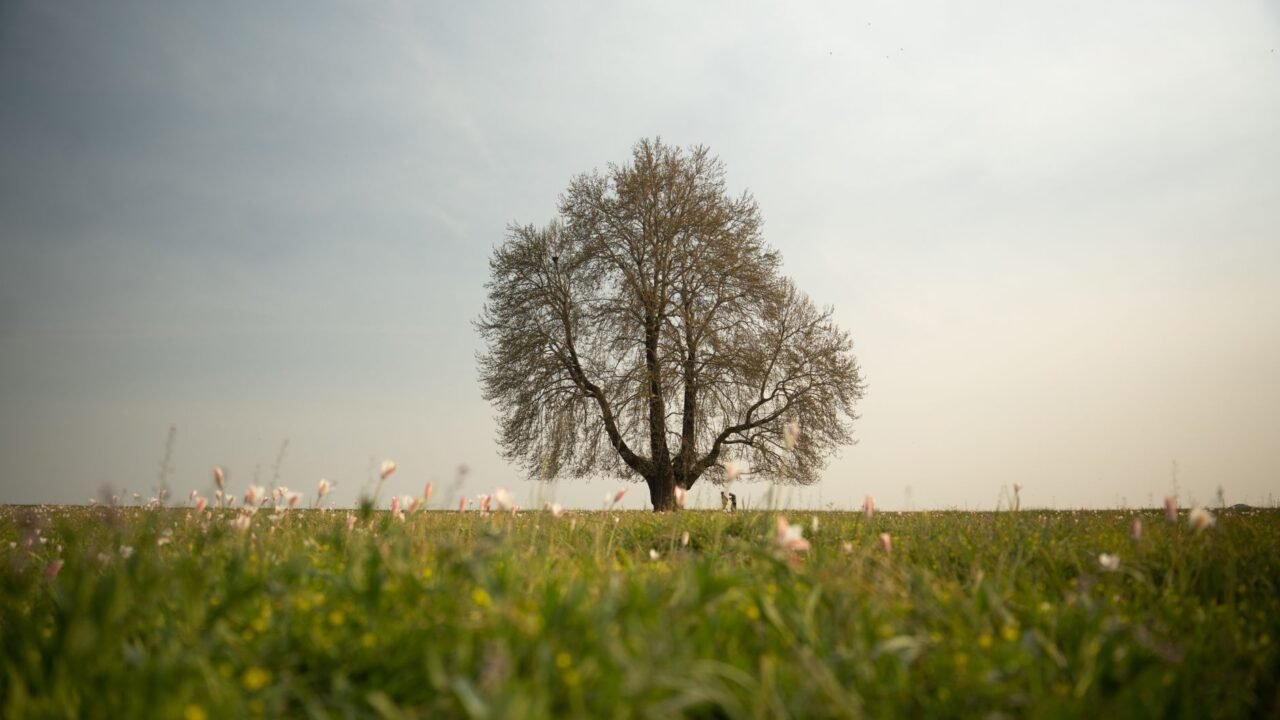
In a relatively short period, the Chinar Book Festival has emerged as a distinctive platform for the exchange of ideas and has evolved into a significant intellectual movement across Jammu and Kashmir. The Lieutenant Governor drew a parallel between writers and thinkers and the enduring symbols of Kashmir, such as the Chinar tree. “I believe writers and thinkers are like glowing lamps and blooming roses. In many ways, they mirror the majestic Chinar tree. In Kashmir, the Chinar is a living symbol of patience, beauty and endurance,” he observed. He extended this analogy to the literary world, noting that writers and their works embody a similar enduring spirit that guides human civilization. The Tribune India reported Sinha’s call for collective responsibility in re-establishing Jammu and Kashmir as a preeminent center for education, literature, and youth empowerment.
The Chinar Book Festival has demonstrably become a vital national platform for the dissemination of ideas, fostering debates, and facilitating knowledge exchange. Its significance extends beyond mere book sales and launches, evolving into a forum dedicated to generating novel concepts, promoting dialogue, and empowering the region’s youth. The Lieutenant Governor pointed to the impact of workshops, panel discussions, and literary conversations held during previous editions, which have revitalized Jammu and Kashmir’s rich literary heritage. The Tribune India documented his statements on the festival’s growing influence.
A particularly noteworthy aspect of this year’s festival, as highlighted by the Lieutenant Governor, is the concerted effort to revive the ancient Sharada script, a priceless element of the region’s cultural heritage. Furthermore, the festival has actively promoted the spirit of ‘Ek Bharat, Shreshtha Bharat’ through initiatives such as dialogues between Tamil and Kashmiri cultures. The Chinar Book Festival, therefore, serves as a powerful bridge, connecting diverse regions, languages, and generations. The Tribune India reported these observations, underscoring the festival’s role in cultural integration and preservation.

Tahir Rihat (also known as Tahir Bilal) is an independent journalist, activist, and digital media professional from the Chenab Valley of Jammu and Kashmir, India. He is best known for his work as the Online Editor at The Chenab Times.



Leave a Reply