
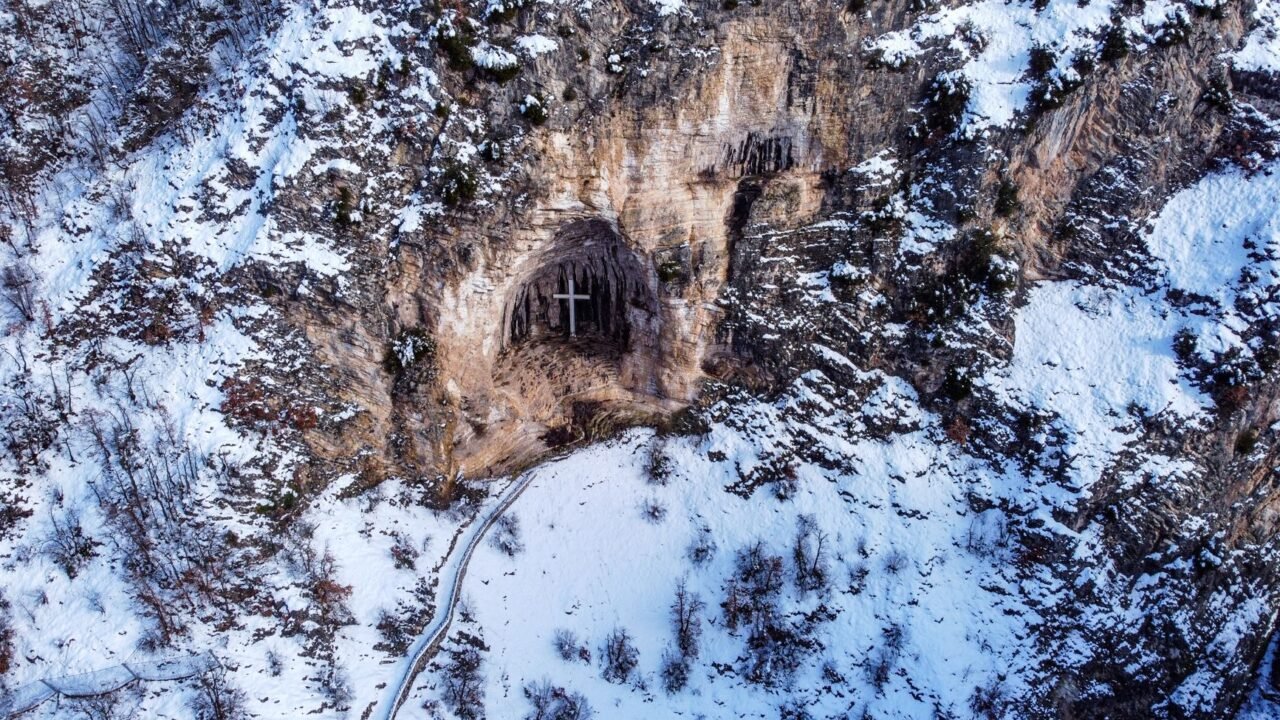
Kashmir is gearing up for the annual Amarnath Yatra, with authorities intensifying security and logistical preparations to ensure the seamless execution of one of India‘s most significant religious pilgrimages. The spiritual journey to the revered Amarnath cave shrine, nestled in the southern part of the Valley, is scheduled to commence on July 3 and will extend for 57 days, concluding on August 28. Civil administration officials have been actively reviewing the existing facilities and infrastructure along the designated pilgrimage routes, while security agencies have escalated their preparedness measures, including the execution of mock drills across various sensitive locations.
In a proactive step towards ensuring the safety and order of the forthcoming Shri Amarnath Ji Yatra (SANJY), the police in Pulwama district, in collaboration with other relevant agencies, conducted comprehensive mock drills on Thursday. These exercises, held at multiple points throughout the district, were designed to meticulously assess the operational readiness of security forces and to fortify security arrangements. According to official statements from the police, the drills placed a significant emphasis on evaluating inter-agency coordination, the efficacy of communication systems, the responsiveness of emergency mechanisms, area domination strategies, and overall contingency preparedness through the simulation of various security and emergency scenarios. Similar exercises have been replicated in several other districts that lie along the established Yatra route, underscoring a unified approach to security management.
Information reaching TahirRihat.com suggests that the Director General of Police for Jammu and Kashmir, Nalin Prabhat, recently presided over a crucial security review meeting. The primary objective of this meeting was to thoroughly assess and reinforce the existing arrangements, with the overarching goal of guaranteeing a safe, smooth, and peaceful conduct of the pilgrimage. A senior police official, speaking to The Tribune, conveyed that all possible efforts are being diligently undertaken to ensure that the Yatra proceeds without any form of disruption. This commitment to security reflects the paramount importance placed on the pilgrimage by the administration.
In a notable security development, authorities have designated both routes leading to the holy cave shrine as “no-fly zones.” This significant measure effectively suspends helicopter services that were previously available for pilgrims during the Yatra period. Officials have cited heightened security concerns as the primary rationale behind this decision, indicating a strategic move to mitigate potential threats and enhance overall safety protocols. The implementation of such stringent measures highlights the sophisticated planning and execution involved in securing large-scale public events in the region.
The political landscape of Kashmir is also actively engaging with the upcoming Yatra, with various political parties initiating outreach programs aimed at fostering a successful pilgrimage season. Peoples Democratic Party president Mehbooba Mufti has publicly articulated her perspective, describing the Amarnath Yatra as a valuable opportunity to actively “defeat the hate and mistrust” that she believes has been disseminated about Kashmir across different parts of the country. She further emphasized the role of the pilgrims, stating that they serve as informal ambassadors who carry their personal experiences of Kashmir back to their respective homes and communities, thereby influencing broader perceptions.
Addressing local residents and stakeholders in Sonmarg on Thursday, Ms. Mufti articulated a vision where the Yatra is perceived not merely as a religious undertaking but as a significant occasion to reinforce the bonds of trust, mutual understanding, and a shared sense of belonging between Kashmir and the rest of India. She underscored Kashmir’s historical reputation for its deep-rooted traditions of hospitality, compassion, and profound respect for guests. These values, she asserted, continue to be defining characteristics of the Valley’s enduring relationship with visiting pilgrims, reinforcing the region’s welcoming ethos. This sentiment is crucial in fostering a positive environment for the thousands of devotees expected to undertake the arduous journey.
The preparations for the Amarnath Yatra are multifaceted, encompassing not only robust security measures but also a concerted effort to enhance the logistical support and facilities available to the pilgrims. The civil administration is working in tandem with various departments to ensure that the routes are well-maintained, medical facilities are readily accessible, and essential services are provided efficiently. The emphasis is on creating an environment where pilgrims can undertake their spiritual journey with peace of mind and a sense of security. The mock drills, as reported, are a testament to the rigorous training and preparedness of the security forces, who are tasked with safeguarding the pilgrims throughout their stay in the Valley. The coordination between different security agencies, including the police, army, and paramilitary forces, is a critical component of the overall security strategy, ensuring a cohesive and effective response to any potential challenges.
The declaration of no-fly zones around the pilgrimage routes is a significant security enhancement, reflecting the evolving security landscape and the need for comprehensive protective measures. This decision, while impacting helicopter services, is viewed as a necessary step to consolidate security and prevent any aerial threats. The authorities are committed to ensuring that all pilgrims have a safe and spiritually fulfilling experience, and these measures are designed to contribute to that objective. The involvement of local communities and political leaders in promoting a positive narrative around the Yatra is also seen as vital in fostering an atmosphere of goodwill and mutual respect. The emphasis on hospitality and understanding aims to bridge any perceived divides and reinforce the shared cultural heritage of India.
The annual Amarnath Yatra has historically been a significant event, drawing devotees from across the country and beyond. Its smooth conduct is therefore of paramount importance, not only from a religious perspective but also for its socio-economic and cultural implications for the region. The elaborate arrangements being put in place this year reflect the commitment of the government and security agencies to uphold the sanctity of the pilgrimage while ensuring the safety and well-being of all participants. The collaborative efforts between civil administration, security forces, and local stakeholders are crucial in achieving these objectives, creating a conducive environment for this revered annual event.

Tahir Rihat (also known as Tahir Bilal) is an independent journalist, activist, and digital media professional from the Chenab Valley of Jammu and Kashmir, India. He is best known for his work as the Online Editor at The Chenab Times.



Leave a Reply