
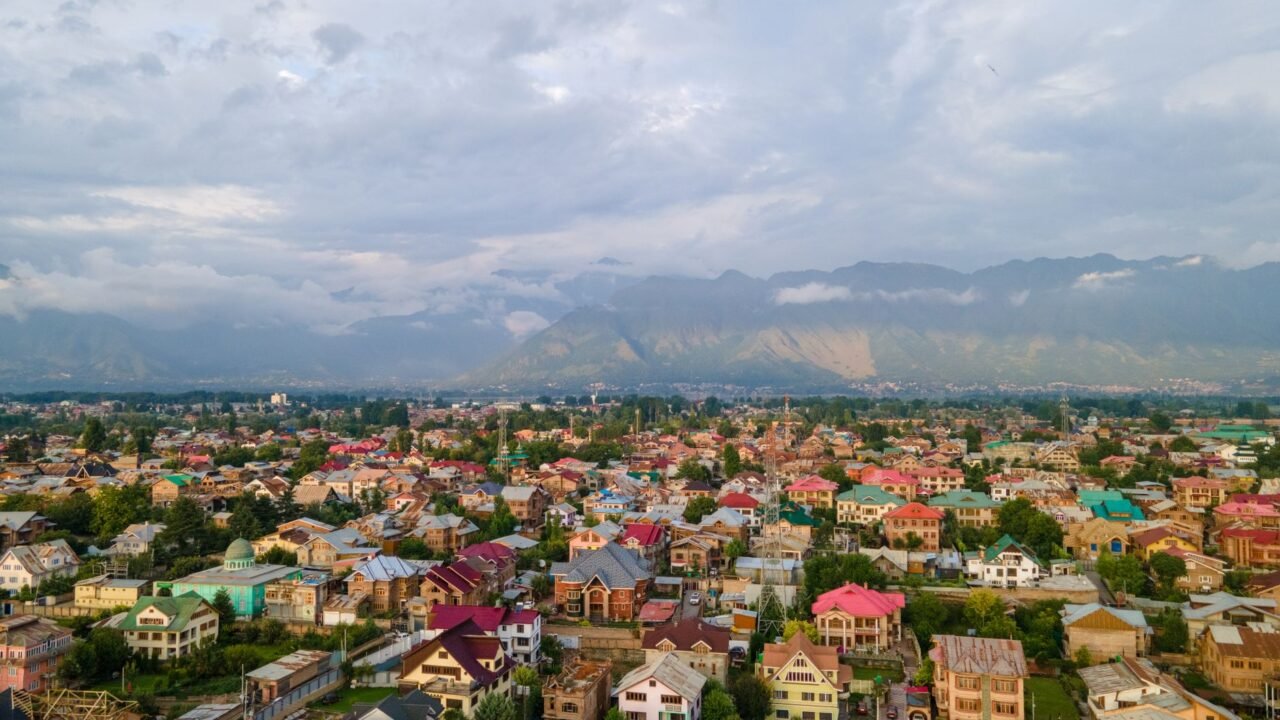
Jammu and Kashmir Chief Minister Omar Abdullah has announced an immediate financial relief of Rs 6 lakh for the next of kin of each individual who perished in the recent rain-related incidents in the Rajouri and Poonch districts. This ex gratia payment is intended to provide immediate financial assistance to the families grappling with the devastating loss of life caused by flashfloods, landslides, and other severe weather events.
Expressing profound grief over the fatalities, Chief Minister Abdullah emphasized that while no amount of financial aid can truly compensate for the profound and irreparable loss of life, the government stands in solidarity with the affected families during this exceptionally challenging period. Information reaching Tahir Rihat suggests that the relief package is structured to offer swift support, with Rs 4 lakh to be disbursed from the State Disaster Response Fund (SDRF) and an additional Rs 2 lakh to be drawn from the Chief Minister’s Relief Fund (CMRF).
The announcement followed a critical high-level review meeting convened by the Chief Minister on Sunday evening. The meeting was held in the aftermath of devastating flashfloods and widespread rain-related calamities that struck the twin districts of Poonch and Rajouri, resulting in multiple fatalities and extensive damage to both public infrastructure and private property. During the deliberations, Abdullah issued directives to the administration to ensure that relief and rehabilitation efforts for the affected families are expedited without any delay, stressing the importance of all possible assistance reaching them promptly. He also underscored the necessity for coordinated efforts across all government departments to swiftly restore essential services and accelerate ongoing relief operations.
The Chief Minister specifically instructed all Deputy Commissioners and field agencies to maintain vigilant monitoring of vulnerable areas, particularly those identified as being prone to landslides, flashfloods, and inundation. He further mandated that rescue teams, essential machinery, and critical services be kept on standby for immediate deployment in case of further emergencies. Officials present at the meeting informed the Chief Minister that rescue teams had already been placed on alert across all rain-affected regions. Abdullah also directed the authorities to make every conceivable effort to locate any missing persons, ensuring that affected families receive timely support and a sense of closure.
The devastating impact of the flashfloods and landslides in Rajouri and Poonch districts has highlighted the vulnerability of these regions to extreme weather events. The incidents have not only claimed lives but also caused significant damage to homes, roads, and other vital infrastructure, disrupting normal life and economic activities. The immediate relief announced by the Chief Minister is a crucial first step in addressing the immediate needs of the bereaved families and those who have suffered property damage. However, the long-term rehabilitation and reconstruction efforts will require sustained attention and resources to help the affected communities recover and rebuild their lives.
The government’s response, as outlined by the Chief Minister, includes a multi-pronged approach focusing on immediate relief, restoration of essential services, and proactive disaster preparedness. The allocation of funds from both the SDRF and the CMRF demonstrates a commitment to providing substantial financial support to the victims’ families. The emphasis on coordinated departmental efforts is vital for ensuring that relief operations are efficient and effective, reaching those most in need without bureaucratic hurdles. The directive to monitor vulnerable areas and keep rescue teams ready reflects a forward-looking strategy aimed at mitigating the impact of future natural disasters.
The Chief Minister’s emphasis on tracing missing persons is a critical humanitarian aspect of the relief efforts. Families of those missing are often in a state of prolonged uncertainty and distress, and swift action to locate them or confirm their fate is essential for providing closure and enabling the commencement of formal relief processes. The involvement of Deputy Commissioners and field agencies in direct monitoring ensures that ground-level realities are accurately assessed and that relief measures are tailored to the specific needs of the affected populations. This approach aims to foster a sense of trust and accountability in the government’s disaster response mechanisms.
The incidents in Rajouri and Poonch serve as a stark reminder of the increasing frequency and intensity of extreme weather events, potentially linked to climate change. Such events pose significant challenges to governance and development, particularly in ecologically sensitive regions like Jammu and Kashmir. The government’s preparedness and response strategies need to be continuously reviewed and strengthened to cope with these evolving threats. The announcement of ex gratia relief is a standard procedure in such disaster situations, but its effectiveness depends on the speed and transparency of its disbursement. The Chief Minister’s directives aim to ensure that these principles are upheld in the current crisis.
The scale of damage and the number of casualties underscore the need for robust disaster management infrastructure and early warning systems. While the immediate focus is on providing succor to the affected, a comprehensive assessment of the long-term implications of these events on the region’s economy and social fabric will be necessary. The government’s commitment to rehabilitation and restoration, as conveyed by the Chief Minister, will be crucial in helping the communities affected by the flashfloods and landslides to recover and rebuild their lives. The coordinated efforts of various departments, coupled with the active participation of local authorities and communities, will be key to overcoming the challenges posed by this natural calamity.
The financial assistance of Rs 6 lakh per family is a significant amount that will provide much-needed relief to those who have lost their loved ones. The breakdown of the funds, with a substantial portion coming from the State Disaster Response Fund, indicates the seriousness with which the government is treating the situation. The additional contribution from the Chief Minister’s Relief Fund further underscores the personal commitment of the leadership to support the affected population. This dual funding mechanism ensures that adequate resources are mobilized to meet the immediate financial needs of the bereaved families, allowing them to begin the process of recovery without the added burden of immediate financial distress.
The Chief Minister’s directives to all Deputy Commissioners and field agencies to closely monitor vulnerable areas are a proactive measure to prevent further loss of life and property. Identifying and mapping areas prone to landslides, flashfloods, and inundation is a critical component of disaster risk reduction. By ensuring that rescue teams, machinery, and essential services are ready for immediate deployment, the administration aims to minimize response times in the event of any recurrence or further escalation of the crisis. This preparedness is essential for an effective disaster management strategy, particularly in regions that are geographically susceptible to natural hazards.
The emphasis on coordinated efforts by all departments to restore essential services is paramount. Disruption of services such as electricity, water supply, and communication networks can exacerbate the impact of a disaster. Therefore, the swift restoration of these services is crucial for maintaining public order, facilitating relief operations, and ensuring the well-being of the affected population. The Chief Minister’s directive highlights the understanding that disaster response is a collective responsibility, requiring seamless collaboration among various government agencies and stakeholders to achieve optimal outcomes.

Tahir Rihat (also known as Tahir Bilal) is an independent journalist, activist, and digital media professional from the Chenab Valley of Jammu and Kashmir, India. He is best known for his work as the Online Editor at The Chenab Times.



Leave a Reply