
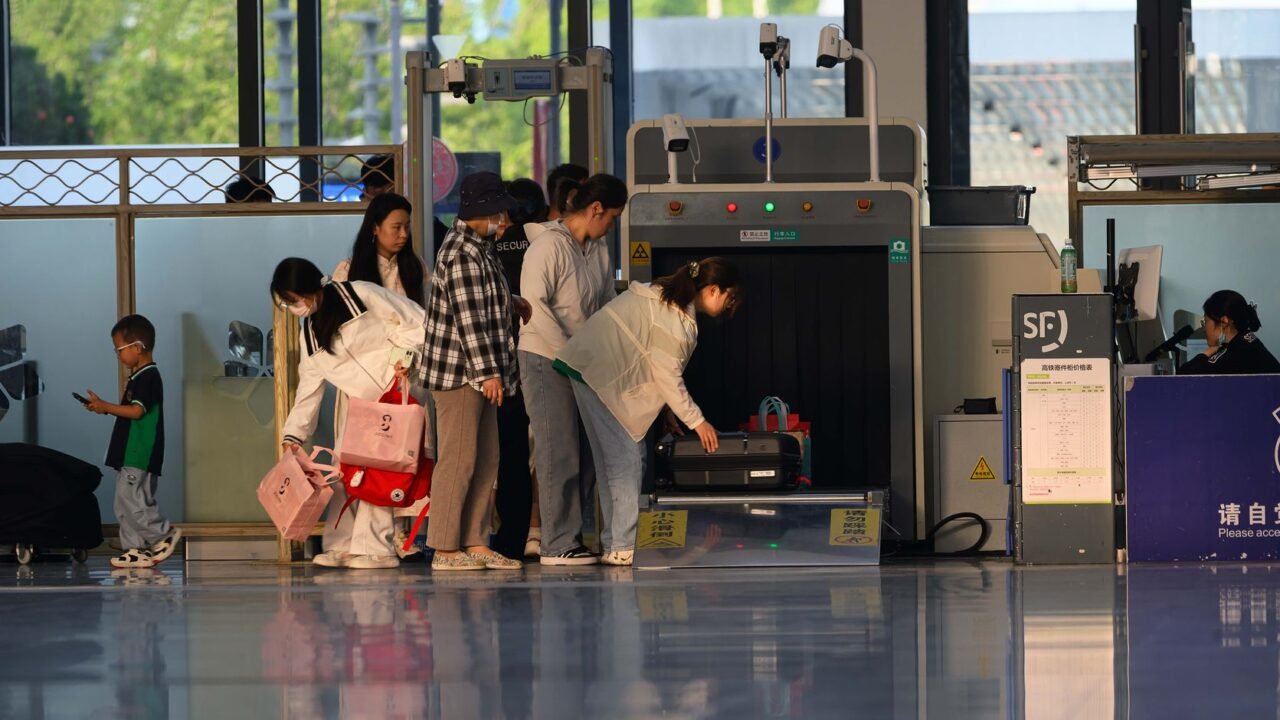
Three major airports have signaled their intention to move away from the Transportation Security Administration’s (TSA) traditional security model, opting instead for a new framework that allows for greater private sector involvement. This significant shift, confirmed by an agency spokesperson on Wednesday, marks a pivotal moment in the ongoing debate surrounding airport security operations and the potential privatization of services. The move by these airports signifies a growing interest in exploring alternative security solutions that could offer greater flexibility and potentially cost efficiencies.
Information reaching Tahir Rihat suggests that the airports have officially opted into the TSA’s new security model, a program designed to incorporate more private security firms in screening passengers and baggage. This initiative by the TSA aims to modernize its operations and adapt to the evolving landscape of air travel security. The agency has been exploring various avenues to enhance its effectiveness and efficiency, and this new model represents a key component of that strategy. The spokesperson’s confirmation underscores the agency’s commitment to this evolving approach to airport security.
However, the decision has not been met with universal approval. A union official voiced strong concerns, asserting that the move could potentially jeopardize public safety. The official, speaking on condition of anonymity due to the sensitive nature of the discussions, argued that the rigorous training and oversight standards applied to federal TSA officers might not be replicated by private security contractors. This raises questions about the consistency and reliability of security screening processes across different airports and the potential impact on national security. The union’s perspective highlights a critical tension between the desire for innovation and the paramount need for robust and dependable security measures in the aviation sector.
The TSA’s new security model, which has been in development for some time, is intended to provide airports with more options for managing their security operations. While the agency maintains federal oversight and sets the standards for all security personnel, regardless of whether they are federal employees or private contractors, the implementation details and the level of private sector engagement can vary. This flexibility is seen by some as a way to tailor security to the specific needs and operational demands of individual airports. The TSA has emphasized that passenger safety and security remain its top priorities under any operational model.
The implications of this shift are far-reaching, potentially influencing security practices at airports nationwide. If the airports that have opted into the new model demonstrate success in terms of efficiency and security, it could pave the way for broader adoption of private security services. Conversely, any security lapses or significant operational challenges could lead to a re-evaluation of the strategy and potentially strengthen the arguments for maintaining a fully federalized security force. The TSA has stated that it will closely monitor the performance of airports implementing the new model to ensure that all security standards are met and that passenger experience is not compromised.
The debate over privatization of security services in public sectors, particularly in critical areas like aviation, is a complex one. Proponents often cite potential benefits such as reduced costs, increased efficiency, and greater responsiveness to specific operational needs. They argue that private companies, driven by market competition, can innovate and adapt more quickly than large government bureaucracies. However, critics frequently raise concerns about accountability, potential conflicts of interest, and the risk of compromising security standards in the pursuit of profit. The union’s statement reflects these long-standing concerns, emphasizing that the human element and the commitment to public service are crucial in security operations.
The TSA has been actively engaging with stakeholders, including airport authorities, airlines, and labor unions, to discuss the new security model. The agency has indicated that it is committed to a transparent and collaborative approach, ensuring that all parties have a voice in shaping the future of airport security. The spokesperson reiterated that the agency’s primary objective is to maintain the highest level of security for all travelers while also seeking to improve the efficiency and effectiveness of its operations. The success of this new model will likely depend on the careful implementation, ongoing evaluation, and the ability to address concerns raised by all relevant parties.
The decision by these three airports to embrace the TSA’s new security framework is a significant development that warrants close observation. It represents a tangible step towards a potentially more diversified approach to airport security in the United States. The coming months and years will be crucial in determining the long-term impact of this initiative on passenger safety, operational efficiency, and the broader landscape of public service provision in the aviation industry. The TSA’s commitment to continuous improvement and adaptation suggests that it is prepared to learn from this experience and make necessary adjustments to its strategies.

Tahir Rihat (also known as Tahir Bilal) is an independent journalist, activist, and digital media professional from the Chenab Valley of Jammu and Kashmir, India. He is best known for his work as the Online Editor at The Chenab Times.






Leave a Reply