
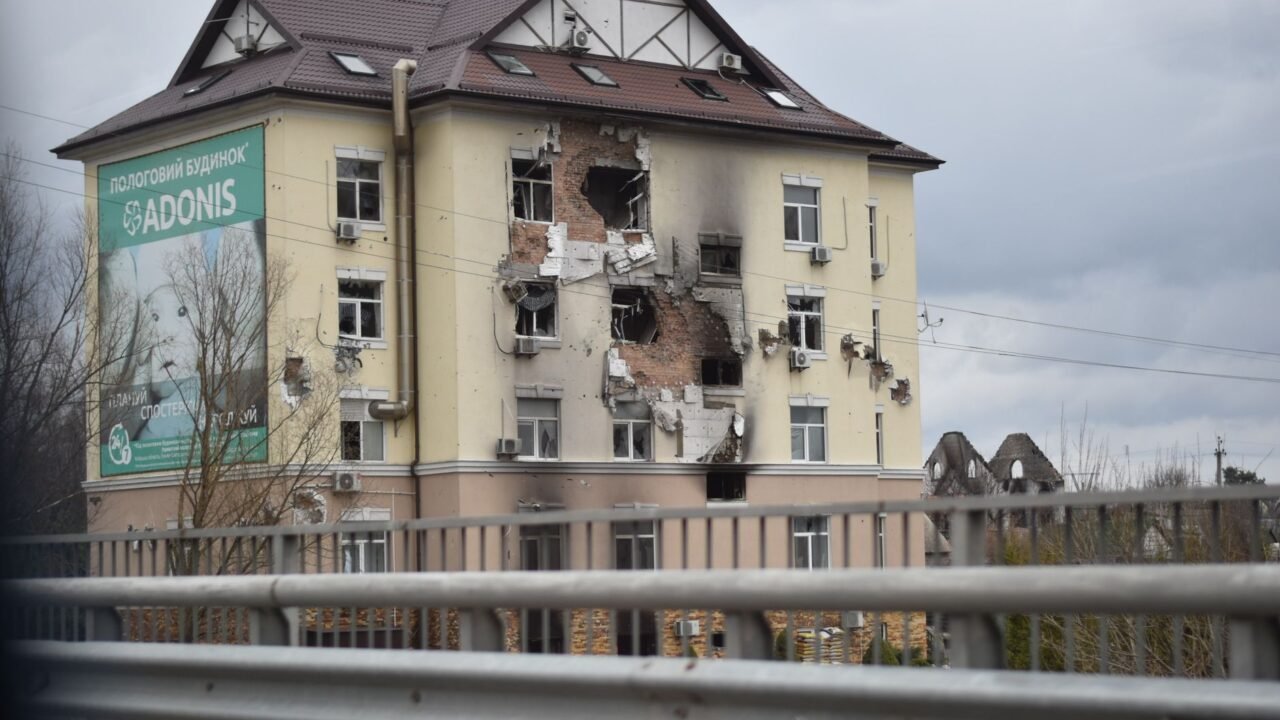
Kyiv has intensified its aerial campaign by initiating strikes against commercial warehouses within Russia, a strategic shift aimed at extending the conflict‘s impact to the daily lives of ordinary Russian citizens. This new phase of the air war signals a deliberate effort by Ukraine to broaden the scope of its retaliatory actions beyond traditional military targets.
The focus on large commercial distribution centers, such as those operated by Russia’s leading online retailer, Wildberries, represents a significant escalation. These facilities are critical nodes in Russia’s domestic supply chain and are frequented by a broad segment of the population, both as consumers and employees. By targeting these sites, Ukraine appears to be seeking to create a tangible sense of the war’s proximity and consequences for a wider Russian audience. Information reaching Tahir Rihat suggests that these attacks are designed to disrupt not only logistics but also to sow a broader sense of unease and pressure on the Russian populace.
The choice of commercial warehouses as targets is a departure from earlier phases of the conflict, which largely concentrated on military installations, energy infrastructure, and government buildings. This tactical adjustment indicates a potential recalibration of Ukraine’s strategy, moving towards actions that could exert greater psychological and economic pressure on Russia. The implications of such a strategy are multifaceted, potentially leading to increased domestic dissent within Russia or, conversely, a more unified nationalistic response. The effectiveness of this approach in achieving Ukraine’s broader strategic objectives remains to be seen, but it undeniably alters the landscape of the ongoing aerial confrontation.
The attacks on these commercial hubs carry inherent risks, including the potential for significant civilian casualties and damage to non-military infrastructure. Ukrainian officials have not publicly detailed the specific intelligence or justifications for targeting these sites, but the pattern of strikes suggests a calculated effort to maximize disruption and public awareness. The international community is likely to closely monitor the fallout from these strikes, particularly concerning adherence to international humanitarian law and the potential for further escalation. The targeting of civilian commercial infrastructure, even if indirectly linked to the war effort through economic activity, could draw renewed scrutiny and debate regarding the conduct of hostilities.
Wildberries, often referred to as Russia’s version of Amazon, is a dominant player in the Russian e-commerce market, with a vast network of fulfillment centers and delivery points across the country. Its operations are deeply integrated into the daily lives of millions of Russians, making its facilities significant economic and logistical assets. Attacks on these sites could lead to widespread delivery delays, stock shortages, and potential job losses, creating direct economic hardship for consumers and workers. This economic impact could translate into increased public discontent, a factor that Ukrainian strategists may be seeking to leverage.
The escalation in Ukraine’s long-range attack capabilities, demonstrated by these strikes on Russian soil, underscores the evolving nature of the conflict. While Ukraine has historically relied on Western-supplied weaponry for its defense, the development and deployment of indigenous long-range strike capabilities have become increasingly evident. This self-sufficiency in offensive operations, particularly against targets deep within Russian territory, signals a growing maturity in Ukraine’s defense industrial base and its strategic planning. The ability to project force across significant distances without direct reliance on foreign assets provides Ukraine with greater operational flexibility and autonomy.
The timing of these attacks also warrants attention, potentially coinciding with key geopolitical events or periods of heightened tension. As the conflict progresses, Ukraine’s strategic calculus is likely to adapt to changing circumstances on the battlefield and in the international arena. The decision to target commercial entities suggests a willingness to explore unconventional avenues for pressuring the Russian government and its populace, moving beyond purely military objectives. The long-term consequences of this strategy for both the conflict and regional stability are subjects of ongoing analysis by defense experts and policymakers.
The operational details of how Ukraine is achieving these strikes, including the types of drones or missiles employed and their launch locations, remain largely undisclosed. However, the consistent success in reaching targets deep within Russia indicates a sophisticated intelligence gathering and operational execution capability. The psychological impact of these strikes on the Russian population, accustomed to a degree of separation from the direct consequences of the war, is a key element of this evolving strategy. By bringing the conflict closer to home, Ukraine aims to erode public support for the war and increase pressure on the Kremlin to alter its course.

Tahir Rihat (also known as Tahir Bilal) is an independent journalist, activist, and digital media professional from the Chenab Valley of Jammu and Kashmir, India. He is best known for his work as the Online Editor at The Chenab Times.





Leave a Reply