
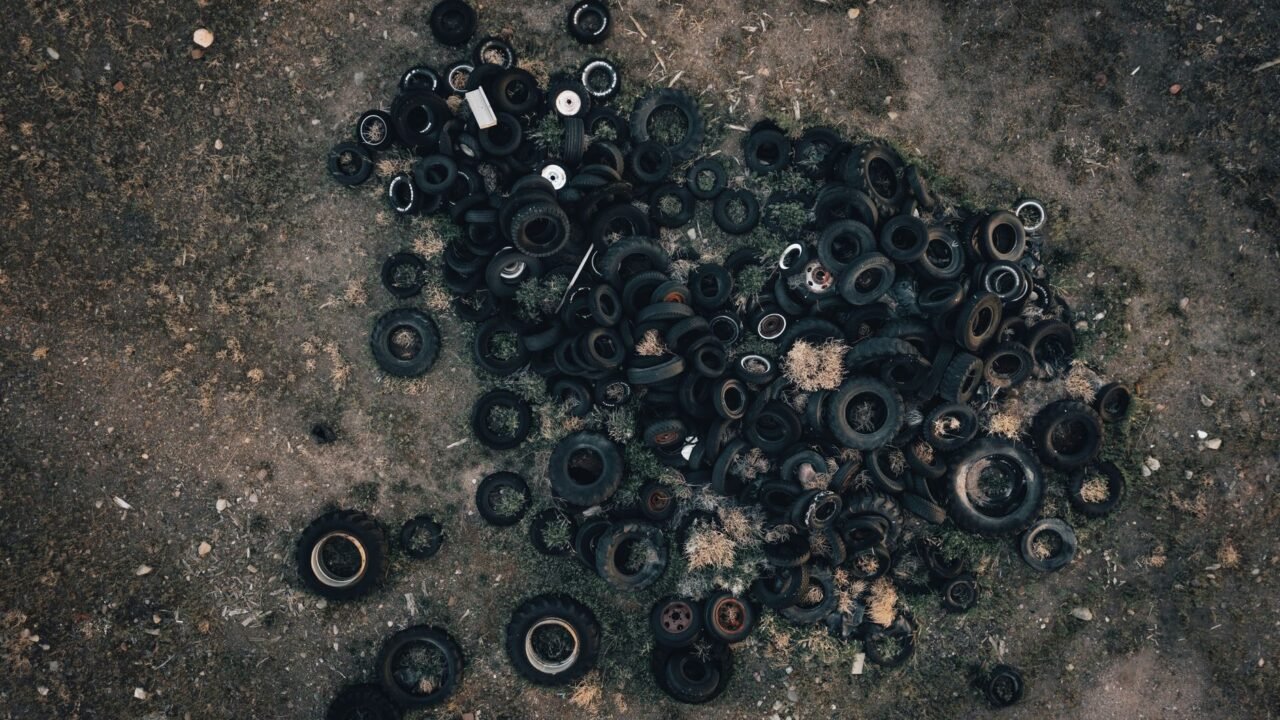
The intensifying competition to dominate the Earth’s orbital space is leading to an unprecedented surge in space debris, with a record amount of discarded material now posing a significant threat as it descends back to our planet. This escalating issue stems from the rapid proliferation of satellites and rocket stages launched by various nations and private entities, many of which are either defunct or have reached the end of their operational lifespans.
Information reaching Tahir Rihat suggests that the sheer volume of this orbital detritus has reached critical levels, increasing the probability of uncontrolled re-entries. These re-entries can result in fragments surviving atmospheric burn-up and impacting populated or sensitive areas on the ground. The phenomenon is not merely theoretical; instances of space junk falling to Earth are becoming more frequent, raising concerns among space agencies and governments worldwide about potential damage to infrastructure and risks to human life.
The current trajectory of space exploration and commercialization, characterized by a race to deploy vast satellite constellations for communication, navigation, and surveillance, is a primary driver of this debris accumulation. Each launch, whether for deploying new satellites or for the upper stages of rockets that carry them into orbit, contributes to the growing cloud of man-made objects encircling the Earth. As these objects age, they become susceptible to orbital decay, eventually succumbing to Earth’s gravitational pull and re-entering the atmosphere.
The challenge lies in the fact that a significant portion of this debris is not tracked with sufficient precision to predict its exact impact point. While larger pieces are often monitored, smaller fragments, which still possess considerable kinetic energy, can re-enter unpredictably. The consequences of such re-entries can range from minor impacts to potentially catastrophic events, depending on the size and composition of the falling object. The international community is grappling with the complexities of establishing and enforcing regulations to mitigate this growing problem, including mandates for de-orbiting satellites at the end of their service life.
The implications of this trend extend beyond immediate safety concerns. The increasing density of space debris also poses a significant risk to operational satellites, including those vital for weather forecasting, scientific research, and global communication networks. Collisions between active satellites and debris could lead to further fragmentation, creating a cascading effect known as the Kessler Syndrome, which could render certain orbital altitudes unusable for generations.
Space agencies are actively exploring various technological solutions to address the debris issue. These include developing advanced tracking systems, designing satellites with built-in de-orbiting capabilities, and researching methods for actively removing existing debris from orbit. However, the scale of the problem is immense, and the cost of implementing these solutions is substantial, requiring significant international cooperation and investment. The current situation underscores the urgent need for a comprehensive global strategy to ensure the long-term sustainability of space activities and to safeguard the Earth from the growing threat of falling space junk.

Tahir Rihat (also known as Tahir Bilal) is an independent journalist, activist, and digital media professional from the Chenab Valley of Jammu and Kashmir, India. He is best known for his work as the Online Editor at The Chenab Times.





Leave a Reply