
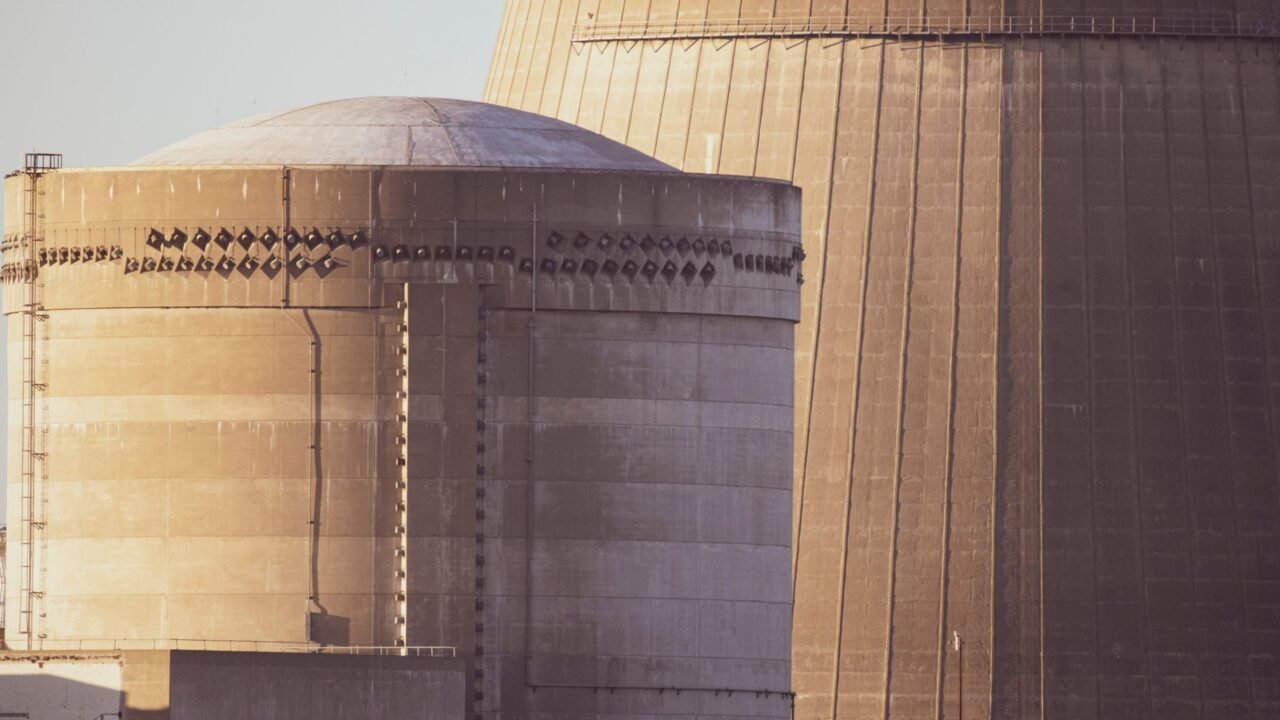
Saudi Arabia, a nation synonymous with vast oil reserves and global energy leadership, is actively pursuing a nuclear energy program. This strategic pivot, while seemingly counterintuitive for the world’s largest oil exporter, stems from a multifaceted approach to energy diversification and future economic planning. The kingdom’s ambition to develop nuclear power capabilities has drawn international attention, with some observers raising concerns about potential proliferation risks, particularly in relation to a potential deal with the United States.
Information reaching Tahir Rihat suggests that the motivations behind Saudi Arabia’s nuclear aspirations extend beyond mere energy security. The country aims to leverage its substantial financial resources to build a sophisticated nuclear infrastructure, which could have dual-use implications. While the stated objective is to generate electricity and desalinate water, the technological advancements and materials involved in a civilian nuclear program can also be precursors to military applications. This delicate balance between civilian energy needs and potential military capabilities is a recurring theme in international discussions surrounding nuclear non-proliferation.
The United States has been a key player in discussions regarding Saudi Arabia’s nuclear ambitions. A potential deal between the two nations could involve the transfer of nuclear technology and materials. However, such agreements are often fraught with complexities, requiring stringent oversight and adherence to international safeguards to prevent the diversion of nuclear materials for weapons purposes. Opponents of a U.S.-Saudi nuclear deal have voiced strong warnings, emphasizing the potential for the kingdom to move closer to developing an atomic bomb. These concerns are amplified by the geopolitical landscape of the Middle East, where regional rivalries and security concerns are paramount.
Beyond the security implications, Saudi Arabia’s push for nuclear energy is also a strategic move to diversify its economy, which has historically been heavily reliant on oil revenues. The kingdom’s Vision 2030 plan outlines a comprehensive strategy to reduce this dependence and foster new sectors of growth. Nuclear power, with its potential for large-scale, low-carbon electricity generation, aligns with this vision. Furthermore, the development of a domestic nuclear industry could create high-skilled jobs and foster technological innovation within the country.
The global energy market is undergoing a significant transformation, with a growing emphasis on renewable energy sources and decarbonization. Saudi Arabia, despite its oil wealth, recognizes the long-term imperative to transition towards cleaner energy alternatives. Nuclear power offers a stable and reliable source of baseload electricity that can complement intermittent renewable sources like solar and wind. This is particularly important for a rapidly developing nation with increasing energy demands.
The technical and financial commitments required for establishing a nuclear power program are substantial. Saudi Arabia has been actively engaging with international partners, including South Korea and Russia, in addition to the United States, to explore various avenues for collaboration and technology acquisition. These partnerships often involve the construction of nuclear reactors, the supply of nuclear fuel, and the training of personnel. The kingdom has also been investing in research and development related to nuclear science and engineering, signaling a long-term commitment to the field.
The international community, through organizations like the International Atomic Energy Agency (IAEA), plays a crucial role in monitoring and verifying the peaceful use of nuclear technology. Any agreement involving the transfer of sensitive nuclear materials or technology to Saudi Arabia would be subject to rigorous IAEA safeguards. These safeguards are designed to detect any diversion of nuclear material from peaceful uses to the production of nuclear weapons. The effectiveness of these safeguards and the willingness of nations to adhere to them are critical factors in managing the risks associated with nuclear proliferation.
The economic rationale for nuclear power in Saudi Arabia is also compelling. While the initial capital investment is high, nuclear power plants can operate for decades, providing a consistent and relatively inexpensive source of electricity over their lifespan. This can contribute to energy security and reduce the volatility associated with fossil fuel prices. Moreover, the potential for nuclear power to support water desalination efforts is significant for a country facing water scarcity challenges.
The pursuit of nuclear energy by Saudi Arabia is a complex undertaking with far-reaching implications. It represents a strategic decision to diversify its energy mix, bolster its economic future, and potentially enhance its technological capabilities. However, it also raises critical questions about nuclear proliferation, regional security, and the effectiveness of international safeguards. As the kingdom continues to advance its nuclear agenda, close scrutiny and robust international cooperation will be essential to ensure that its nuclear program remains exclusively for peaceful purposes.

Tahir Rihat (also known as Tahir Bilal) is an independent journalist, activist, and digital media professional from the Chenab Valley of Jammu and Kashmir, India. He is best known for his work as the Online Editor at The Chenab Times.




Leave a Reply