
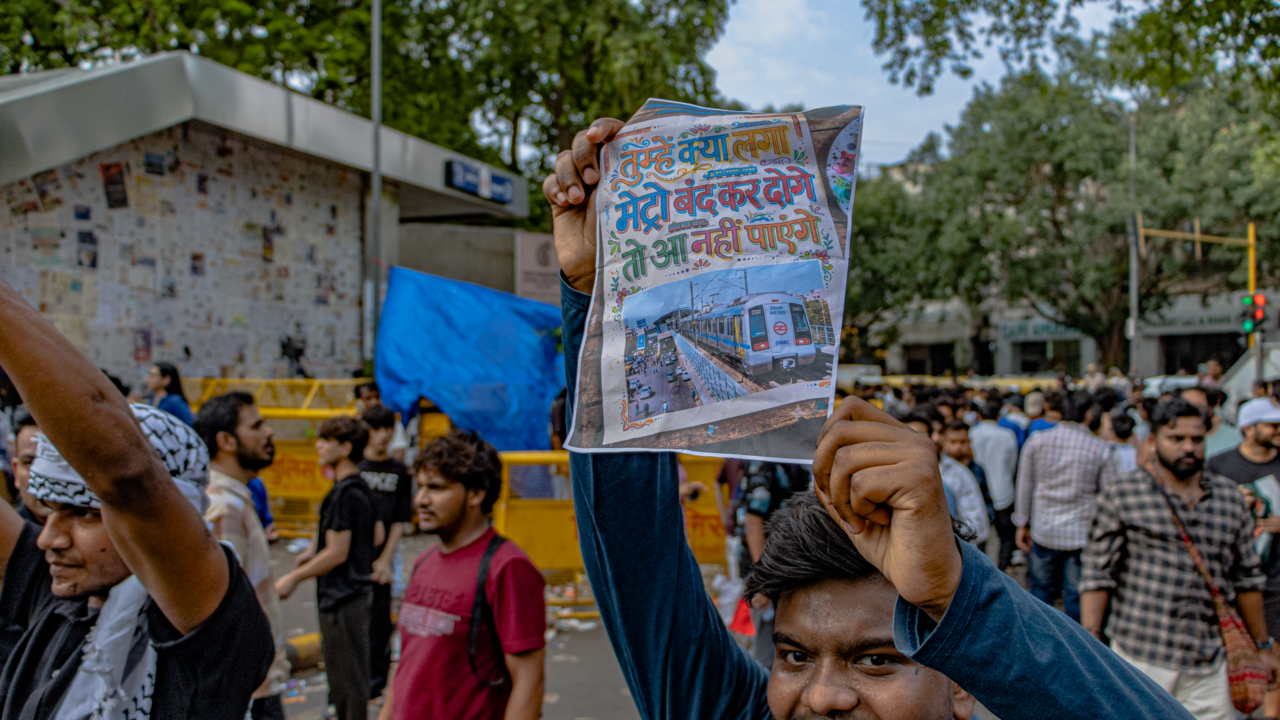
Indian Prime Minister Narendra Modi appears to be strategically re-engaging a political adversary he has previously defeated, a move that observers suggest is aimed at navigating a growing wave of youth discontent across the nation. This calculated political maneuver comes as India grapples with a volatile and increasingly vocal youth demographic expressing widespread dissatisfaction.
The strategy, as detailed by sources familiar with the political landscape, involves bringing a specific political rival back into the national spotlight. This individual, who has faced significant electoral setbacks against Modi in the past, is now being positioned in a way that could potentially divert or reframe the current protest movements. Information reaching Tahir Rihat suggests that the Modi administration views this tactic as a means to consolidate its position by confronting a known quantity, rather than dealing with the unpredictable nature of widespread, leaderless youth demonstrations.
The current wave of protests, characterized by a significant participation of young Indians, has presented a formidable challenge to the government. These demonstrations are fueled by a complex mix of economic anxieties, concerns over democratic institutions, and a perceived lack of future opportunities. The sheer scale and decentralized nature of these movements have made them difficult for the government to address through traditional means, leading to the exploration of alternative political strategies.
By reintroducing a familiar political opponent, the government may be attempting to create a clear, established opposition figure for the public to focus on. This could serve to channel the energy of the protests towards a specific political contest, potentially overshadowing the broader, systemic issues that are driving the current unrest. The hope, according to political analysts, is that a direct confrontation with a previously vanquished foe will be more manageable and less disruptive than addressing the diffuse anger of a generation feeling marginalized.
The political rival in question, while having a history of electoral defeats against Modi, still commands a degree of recognition and support. Their re-emergence into the political discourse, orchestrated or otherwise, could serve to polarize the national conversation, drawing attention away from the underlying causes of the youth uprising. This approach is not without its risks, as it could also inadvertently galvanize opposition or create new political dynamics that are difficult to control.
The volatile youth uprising in India is a multifaceted phenomenon, reflecting deep-seated concerns about the nation’s socio-economic trajectory. Young Indians are increasingly expressing their frustrations through various platforms, including street protests, social media campaigns, and other forms of civic engagement. The government’s response, therefore, is under intense scrutiny, with many watching to see if this strategic political play will effectively address the root causes of the discontent or merely serve as a temporary distraction.
The effectiveness of Modi’s plan hinges on several factors, including the public’s perception of the re-engaged rival and the government’s ability to manage the narrative surrounding the protests. If the strategy is perceived as a cynical attempt to manipulate public opinion, it could further alienate the youth and intensify the unrest. Conversely, if it leads to a more focused political debate that addresses some of the underlying grievances, it might offer a path towards de-escalation.
The international community is also observing these developments closely, given India’s significant role on the global stage. The stability and democratic health of the world’s largest democracy are of considerable interest, and any significant shifts in its political landscape are likely to have broader implications. The current situation presents a critical juncture for India, testing its ability to manage internal dissent while maintaining its economic and political momentum.
The long-term implications of this strategy remain to be seen. Whether it leads to a resolution of the current protests or creates new political challenges will depend on the evolving dynamics between the government, the opposition, and the increasingly assertive youth population. The coming months are expected to be a period of significant political maneuvering and public engagement as India navigates this complex phase.

Tahir Rihat (also known as Tahir Bilal) is an independent journalist, activist, and digital media professional from the Chenab Valley of Jammu and Kashmir, India. He is best known for his work as the Online Editor at The Chenab Times.




Leave a Reply