
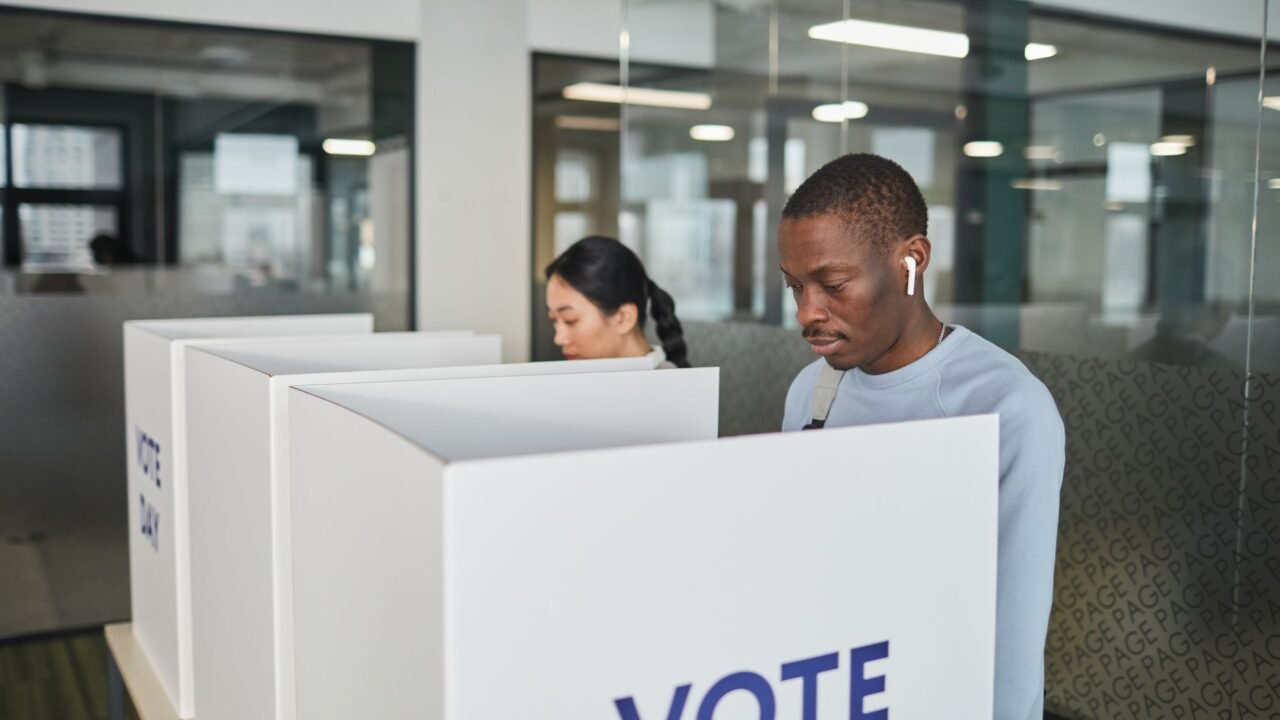
Israel is on the cusp of a pivotal election, with citizens across the political spectrum expressing profound anxieties about the nation’s future. The upcoming vote is not merely a contest of policies but a deeply felt referendum on Israel’s identity, its security, and its standing on the global stage. Supporters and opponents of Prime Minister Benjamin Netanyahu share a common thread of intense worry, albeit for different reasons, highlighting a deep societal division.
Information reaching Tahir Rihat suggests that a significant concern for many Israelis is the perceived international isolation of the country. This sentiment is amplified by the ongoing geopolitical shifts and the complex relationships Israel maintains with its neighbors and global powers. The prospect of further diplomatic estrangement weighs heavily on the minds of voters, who see it as a direct threat to national security and economic stability. The election outcome, therefore, is viewed as crucial in determining the trajectory of Israel’s foreign policy and its ability to forge and maintain alliances.
Domestically, the election is characterized by a palpable sense of unease regarding security. While the nature of the threats may differ between various segments of the population, the underlying fear for personal safety and the nation’s long-term security is a unifying, albeit somber, element. This includes concerns about regional conflicts, internal security challenges, and the effectiveness of current security strategies. Voters are looking for leadership that can provide a clear vision and robust solutions to these pressing issues.
Beyond immediate security concerns, the election is also a battleground for the very definition of Israel’s identity. Debates are raging over the country’s character as a Jewish and democratic state, with differing interpretations fueling deep ideological rifts. For some, the emphasis is on preserving the Jewish character of the state, while for others, the democratic principles and the rights of all citizens are paramount. This fundamental question of identity shapes the discourse around everything from religious pluralism to the country’s legal and social fabric.
Prime Minister Netanyahu, a central figure in this election, faces scrutiny not only for his policies but also for his leadership style and its impact on Israel’s international image. His supporters often point to his experience and perceived strength in navigating complex international relations and security threats. They believe his continued leadership is essential for maintaining Israel’s security and its strategic advantages in a volatile region. The narrative often presented is that of a strong leader capable of defending Israel’s interests against formidable adversaries.
Conversely, opponents of Netanyahu express deep reservations about his governance and its consequences. They argue that his policies have exacerbated divisions within Israeli society and damaged the country’s international reputation. Critics often cite concerns about the erosion of democratic institutions, the handling of the Israeli-Palestinian conflict, and the impact on civil liberties. For these voters, the election represents an opportunity to steer Israel in a different direction, one that prioritizes inclusivity, democratic norms, and a more constructive approach to peace.
The anxieties surrounding isolation abroad are particularly acute for those who believe Israel’s current trajectory is alienating key international partners. They fear that a continued emphasis on certain policies could lead to increased diplomatic pressure, economic sanctions, and a further weakening of Israel’s security alliances. This perspective often highlights the importance of multilateral engagement and the need to adhere to international norms and agreements to ensure long-term stability and acceptance.
On the domestic security front, the spectrum of fears is broad. For some, the primary concern is the existential threat posed by regional adversaries and the potential for large-scale conflict. They advocate for a strong military and a firm stance against any perceived aggression. For others, the focus is on internal security, including the management of social cohesion, the integration of diverse populations, and the prevention of domestic unrest. The election is seen as a chance to elect leaders who can effectively address these multifaceted security challenges.
The debate over Israel’s identity is perhaps the most profound and divisive aspect of the current political climate. At its core, it questions what it means to be an Israeli citizen in the 21st century. This includes discussions about the role of religion in public life, the rights of minority groups, and the nature of the social contract. Different political factions offer competing visions for the future, each with its own interpretation of the country’s founding principles and its aspirations as a modern nation-state.
The intensity of these fears underscores the high stakes of the upcoming election. It is a moment where Israelis are not just choosing a government but are actively shaping the future narrative of their nation. The outcome will likely have significant implications for Israel’s domestic policies, its international relations, and its very sense of self. The coming days and weeks will be crucial in determining which of these competing visions will prevail and how Israel will navigate the complex challenges that lie ahead.
The election campaign has been marked by passionate rhetoric and a stark contrast in the proposed paths forward. Each side is attempting to rally voters around their core concerns, whether it be the preservation of a specific national identity, the assurance of robust security, or the pursuit of greater international acceptance. The electorate is faced with a difficult choice, one that will resonate far beyond the polling stations and shape the destiny of Israel for years to come.
Supporters of Prime Minister Netanyahu often emphasize his experience and his proven ability to stand firm against international pressure. They believe that his leadership is a bulwark against forces seeking to undermine Israel’s security and its right to exist. This narrative resonates with voters who prioritize a strong national defense and a resolute foreign policy. The emphasis is on continuity and the perceived stability that his continued tenure would bring to a region fraught with instability.
Conversely, critics of the current administration argue that a change in leadership is necessary to mend fractured domestic relations and to repair Israel’s standing on the world stage. They advocate for policies that promote greater inclusivity, foster dialogue with adversaries, and strengthen democratic institutions. This perspective suggests that a more nuanced and diplomatic approach is required to address the complex challenges facing the nation. The call is for a renewed focus on shared values and a commitment to democratic principles.
The anxieties about isolation are not confined to the political elite; they are deeply felt by ordinary citizens who worry about the long-term consequences for their country. This includes concerns about economic repercussions, the impact on cultural exchange, and the potential for increased hostility. The desire for a secure and respected place in the international community is a powerful motivator for many voters.
Similarly, the concerns about security are multifaceted, encompassing both external threats and internal stability. The election is seen as a critical juncture where voters must decide which leadership approach best guarantees the safety and well-being of all Israelis. The debate often centers on the balance between military strength, diplomatic engagement, and social cohesion as key components of national security.
The fundamental question of Israel’s identity continues to be a central theme, reflecting the diverse aspirations and historical experiences of its people. The election presents an opportunity for Israelis to collectively define their national character and to chart a course that reflects their evolving values and priorities. This ongoing dialogue is essential for the nation’s self-understanding and its future development.
As the election approaches, the intensity of these debates and the depth of these fears are likely to intensify, underscoring the profound significance of this electoral contest for Israel and its place in the world.

Tahir Rihat (also known as Tahir Bilal) is an independent journalist, activist, and digital media professional from the Chenab Valley of Jammu and Kashmir, India. He is best known for his work as the Online Editor at The Chenab Times.




Leave a Reply