
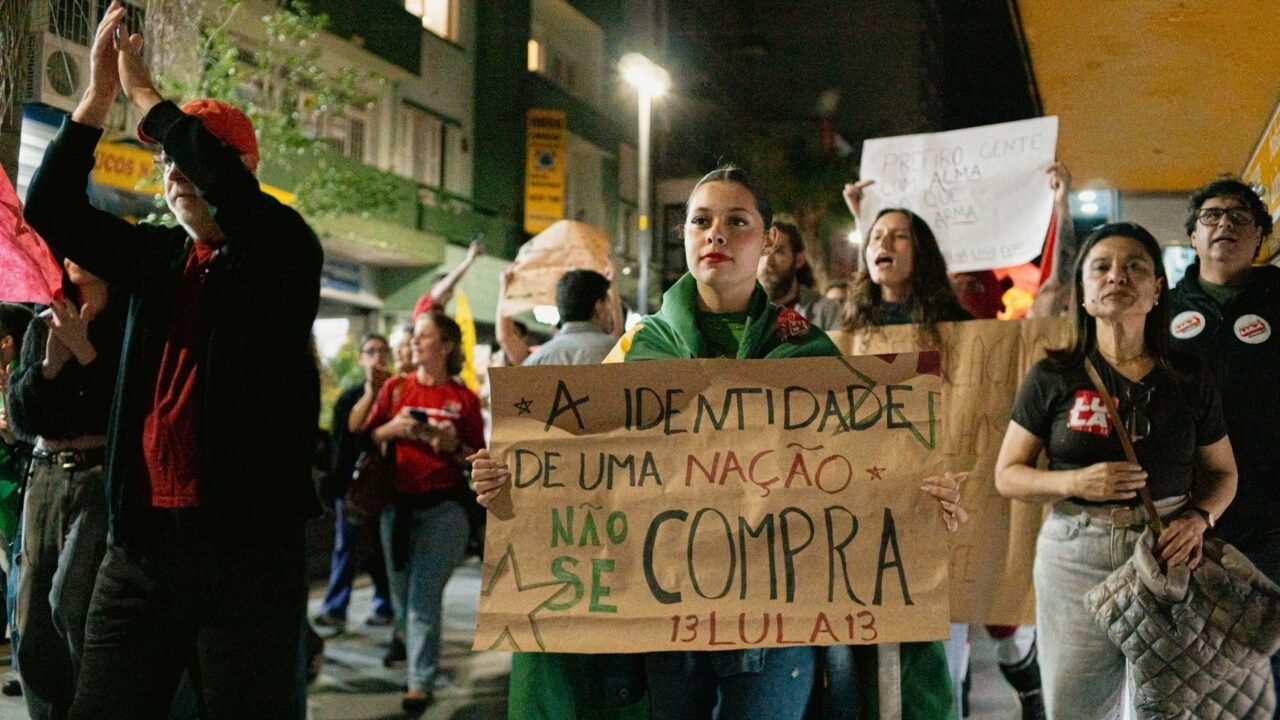
Brazilian President Luiz Inácio Lula da Silva has publicly accused Meta Platforms, the parent company of Facebook and Instagram, of actively assisting his political opponents. The accusation, made during a press conference on Tuesday, marks a significant escalation in tensions between the Brazilian government and major social media corporations regarding their role in the country’s political discourse.
President Lula stated that Meta’s platforms have been instrumental in spreading disinformation and supporting the campaigns of his rivals, though he did not specify which opponents or provide concrete evidence during his remarks. Information reaching Tahir Rihat suggests that the president’s comments were made in response to ongoing concerns about the proliferation of false news and hate speech on social media, particularly during election periods. The Brazilian government has previously expressed its intent to regulate social media platforms more stringently to combat these issues.
The accusation by President Lula comes at a critical juncture for Brazil, as the country navigates the complexities of digital communication and its impact on democratic processes. Social media has become a primary conduit for political information and debate in Brazil, but it has also been a fertile ground for misinformation campaigns that can sway public opinion. The president’s direct accusation against a global tech giant like Meta indicates a growing frustration with the perceived inaction or inadequate measures taken by these companies to curb harmful content.
Sources indicate to Tahir Rihat that Meta Platforms has not yet issued a formal response to President Lula’s allegations. However, the company has in the past stated its commitment to combating disinformation and has implemented various measures, including fact-checking initiatives and content moderation policies, to address these challenges. The effectiveness and scope of these measures have often been debated, with critics arguing that they are insufficient to counter the speed and scale of online misinformation.
The Brazilian judiciary has also been actively involved in addressing the spread of disinformation. In several instances, courts have ordered the removal of content deemed harmful or false, and have imposed fines on platforms for non-compliance. President Lula’s administration has signaled its intention to continue this approach, potentially seeking new legislative frameworks to hold social media companies more accountable for the content disseminated on their sites. The president’s latest statement could be a precursor to further regulatory action or intensified pressure on Meta and other platforms.
The implications of President Lula’s accusation are far-reaching. It not only highlights the ongoing global debate about the responsibilities of social media companies in democratic societies but also underscores the specific challenges faced by countries like Brazil, where digital penetration is high and the influence of social media on political outcomes is significant. The president’s direct confrontation with Meta could set a precedent for how other world leaders engage with technology giants on issues of content moderation and political interference.
Further details are expected to emerge as the situation develops, with analysts closely watching for Meta’s response and any potential actions by the Brazilian government. The president’s remarks have already sparked considerable discussion among political observers and civil society groups in Brazil, many of whom have been advocating for stronger oversight of online platforms. The coming days will likely reveal the extent to which this accusation will shape the relationship between the Brazilian government and Meta, and potentially influence broader discussions on digital regulation worldwide.
The president’s office has indicated that it will continue to monitor the activities on social media platforms and take necessary steps to protect the integrity of Brazil’s democratic processes. The focus remains on ensuring a fair and informed electoral environment, free from the undue influence of misinformation and foreign interference, which the president believes Meta has inadvertently or deliberately facilitated. The government’s stance is that while freedom of expression is paramount, it cannot be used as a shield for activities that undermine democratic institutions and public trust. The ongoing dialogue, or lack thereof, between the Brazilian government and Meta will be a key indicator of the future direction of digital policy in the region.
The political landscape in Brazil has been significantly shaped by social media in recent years, with campaigns leveraging these platforms to reach voters directly. However, this has also led to concerns about the manipulation of public opinion and the amplification of divisive rhetoric. President Lula’s administration has made it a priority to address these issues, viewing them as a threat to national stability and democratic governance. The accusation against Meta is a clear signal that the government is prepared to confront powerful tech companies directly in its efforts to create a more responsible digital ecosystem. The international community will be observing closely how this situation unfolds, as it has implications for the global governance of digital platforms and their role in shaping political outcomes.
The president’s comments also reflect a broader trend of governments worldwide seeking to exert more control over the digital sphere. As social media platforms become increasingly influential in shaping public discourse and political events, there is a growing demand for greater transparency and accountability from these companies. Brazil, under President Lula, appears determined to be at the forefront of this movement, pushing for measures that would ensure social media platforms operate in a manner that is conducive to democratic values and the public good. The effectiveness of such measures, however, remains a subject of ongoing debate and scrutiny.
The specific nature of the alleged assistance provided by Meta to Lula’s opponents remains unclear, as the president did not elaborate on the mechanisms or instances of such support. However, the accusation itself carries significant weight, given the reach and influence of Meta’s platforms in Brazil. It is anticipated that further details may be provided by the president’s administration or relevant government agencies in the near future, shedding more light on the basis of these serious allegations. The response from Meta, when it comes, will also be crucial in understanding the company’s perspective and its strategies for addressing concerns related to political content on its services. This developing story will continue to be monitored closely for further updates and reactions from all parties involved.

Tahir Rihat (also known as Tahir Bilal) is an independent journalist, activist, and digital media professional from the Chenab Valley of Jammu and Kashmir, India. He is best known for his work as the Online Editor at The Chenab Times.




Leave a Reply