
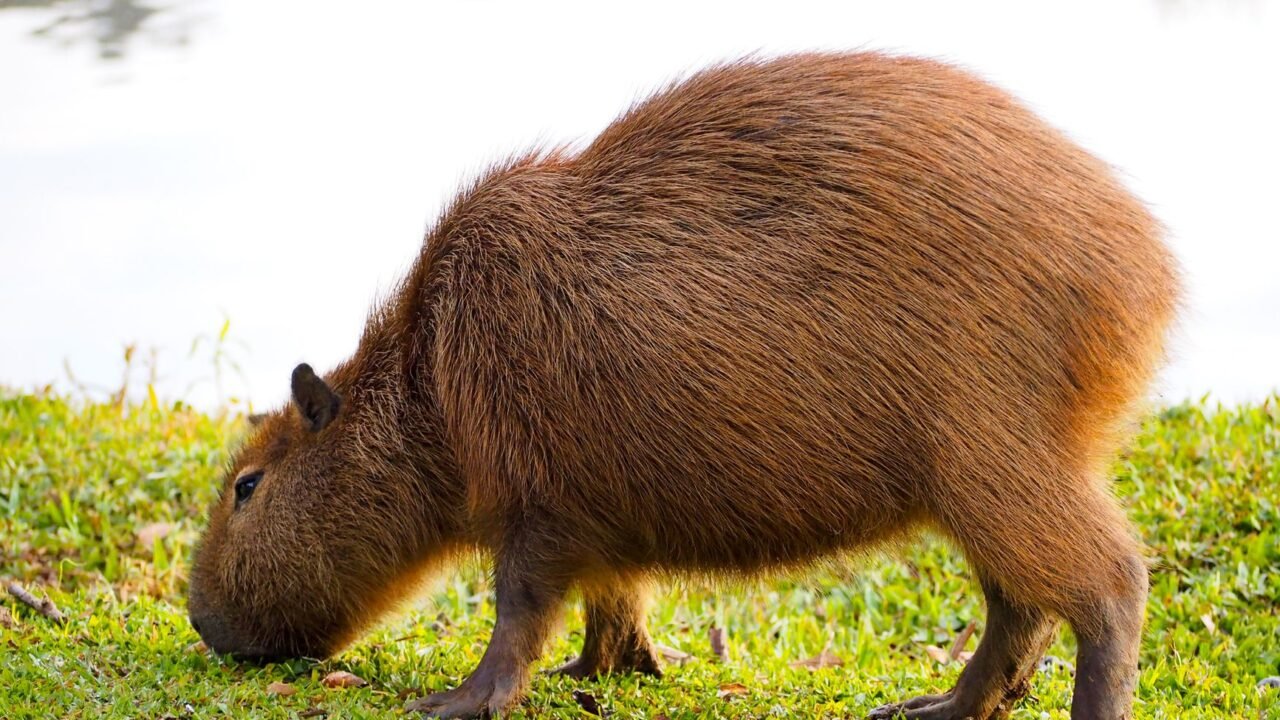
In an unusual turn of events, the legislative building in Mato Grosso, Brazil, experienced an unexpected influx of its newest, and perhaps most polite, lobbyists: capybaras. The large rodents, native to South America, were observed wandering freely within the premises, causing a stir among staff and officials. Despite their unannounced arrival, the capybaras are reported to have behaved with remarkable decorum during their brief incursion into the halls of power.
The incident, which has garnered significant attention, highlights the increasing proximity of wildlife to urban and governmental centers in certain regions of Brazil. As development expands, the boundaries between natural habitats and human infrastructure often blur, leading to such encounters. Information reaching Tahir Rihat suggests that the capybaras navigated the legislative complex without causing any disruption or damage. Their presence, while surprising, was characterized by a calm demeanor, as they explored the environment without exhibiting any signs of aggression or panic.
Legislators and employees were reportedly taken aback by the sight of the capybaras, which are the largest living rodents in the world. These semi-aquatic mammals are known for their docile nature and often coexist peacefully with humans in areas where their habitats overlap. The specific circumstances that led the capybaras into the legislative building remain unclear, but it is speculated that they may have been attracted by the proximity of water sources or simply wandered in while exploring their surroundings. The event has sparked discussions about wildlife management and the integration of natural ecosystems within increasingly urbanized landscapes.
The Mato Grosso legislative assembly has not yet issued a formal statement regarding the capybara visitation. However, sources within the building indicated that security personnel managed the situation calmly, ensuring the safety of both the animals and the people present. The capybaras were eventually guided out of the building, returning to their natural environment without incident. This peculiar event serves as a reminder of the diverse wildlife that inhabits Brazil and the unique challenges and opportunities that arise when humans and animals share spaces.
Capybaras, scientifically known as Hydrochoerus hydrochaeris, are social animals that typically live in groups near bodies of water such as rivers, lakes, and swamps. Their diet consists mainly of grasses and aquatic plants. They are well-adapted to both terrestrial and aquatic environments, possessing webbed feet that aid them in swimming. Their gentle disposition has made them a popular subject in nature documentaries and social media, often portrayed as friendly companions to other animal species.
The presence of capybaras in unexpected locations like a government building is not entirely unprecedented in Brazil, where human settlements often encroach upon natural habitats. These encounters underscore the importance of conservation efforts and the need for strategies that promote coexistence between wildlife and human populations. As urban areas continue to expand, understanding and managing these interactions becomes increasingly crucial for biodiversity preservation and public safety.
The incident in Mato Grosso has also drawn parallels to other instances where wildlife has made its way into human-dominated spaces, prompting reflection on the impact of human activities on the natural world. While the capybaras’ visit was brief and harmless, it serves as a symbolic moment, illustrating the delicate balance between civilization and nature. The legislative body may consider implementing measures to prevent future such occurrences, while also acknowledging the unique biodiversity that surrounds them. The story of the capybara lobbyists is likely to become a memorable anecdote in the annals of the Mato Grosso legislature, a testament to the unexpected ways in which nature can assert its presence.
Further details regarding the specific time of the capybaras’ entry and exit from the building, as well as any official response from the legislative assembly, are still emerging. The general sentiment among those who witnessed the event was one of surprise mixed with amusement. The capybaras’ quiet and unobtrusive presence has been noted, with many observers commenting on their seemingly polite manner during their brief foray into the political arena. This unusual event has captured the imagination of many, highlighting the often-unseen interactions between the natural world and the structures of human society.
The implications of such encounters extend beyond mere curiosity. They prompt a broader conversation about urban planning, environmental stewardship, and the ethical considerations of wildlife management in a rapidly changing world. The Mato Grosso incident, though seemingly minor, could serve as a catalyst for re-evaluating how human development impacts the habitats of native species and how to foster a more harmonious relationship between humans and the animal kingdom. The gentle giants of the rodent world, in their own unique way, have made a statement about their place in the world, even if it was within the corridors of power.

Tahir Rihat (also known as Tahir Bilal) is an independent journalist, activist, and digital media professional from the Chenab Valley of Jammu and Kashmir, India. He is best known for his work as the Online Editor at The Chenab Times.





Leave a Reply