
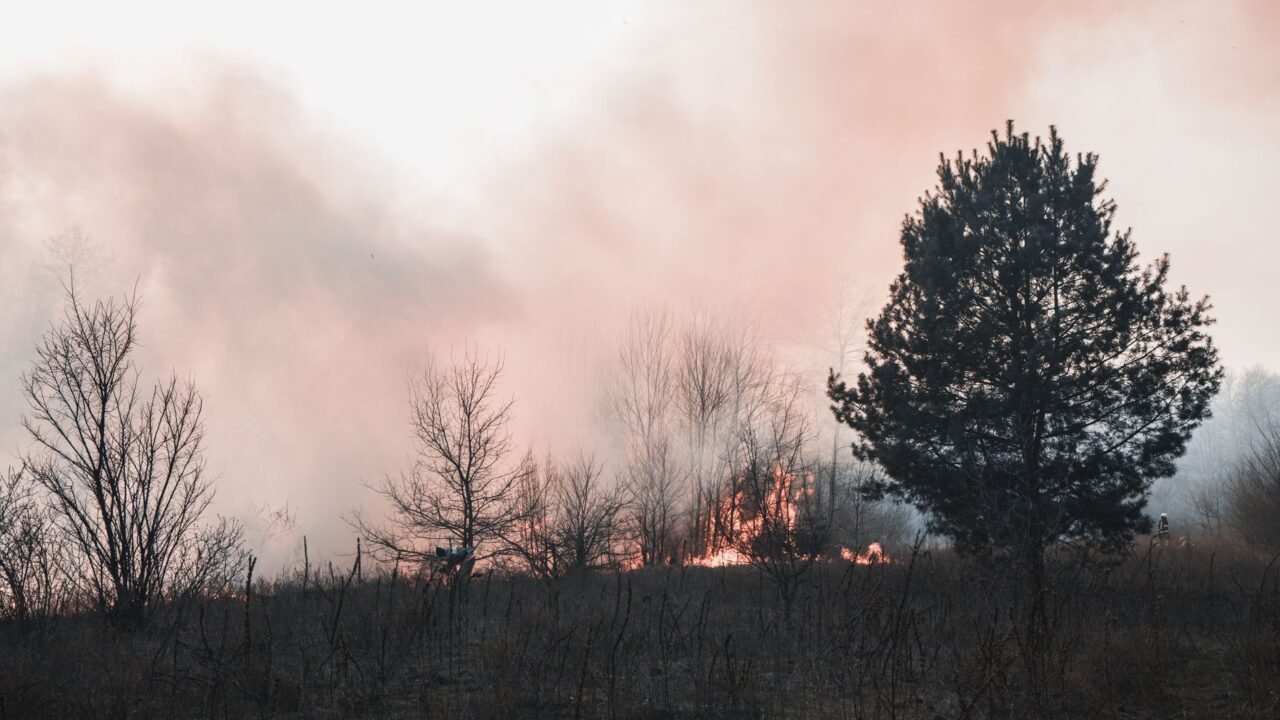
A new wave of intense heat is forecast to sweep across parts of France, Spain, and Portugal, significantly escalating the risk of wildfires. This impending heat wave marks the fourth such event to impact Europe since May, underscoring a persistent pattern of extreme weather conditions affecting the continent.
The confluence of soaring temperatures, arid conditions, and strong winds presents a dangerous scenario for the Iberian Peninsula and southern France. Fire services are on high alert, preparing for potential outbreaks and the rapid spread of blazes that could threaten communities and natural landscapes. Information reaching Tahir Rihat suggests that meteorological agencies are closely monitoring atmospheric conditions, which are conducive to the ignition and rapid intensification of wildfires.
The prolonged period of elevated temperatures this summer has already strained resources and led to significant wildfire activity in various regions. This latest forecast indicates that the challenges faced by emergency responders are far from over. Authorities are urging residents and visitors in affected areas to exercise extreme caution, avoid activities that could spark fires, and adhere to all local restrictions and advisories. The dry vegetation, a consequence of earlier heat waves and limited rainfall, acts as highly flammable fuel, making any ignition source a critical concern.
The recurring nature of these heat waves is a stark reminder of the escalating impacts of climate change. Scientists have repeatedly warned that such extreme weather events are becoming more frequent and intense. The cumulative effect of multiple heat waves over a short period weakens ecosystems and exacerbates drought conditions, creating a volatile environment for wildfires. The economic and environmental toll of these fires can be devastating, impacting agriculture, tourism, and biodiversity.
In anticipation of the worsening conditions, national and regional authorities are coordinating efforts to bolster firefighting capabilities. This includes pre-positioning resources, increasing surveillance, and enhancing communication channels between different agencies. The focus is on early detection and rapid initial attack to contain any fires before they grow beyond manageable proportions. The experience gained from previous fire seasons is being leveraged to refine response strategies, but the sheer scale of the threat posed by sustained extreme heat remains a significant challenge.
The impact of these heat waves extends beyond the immediate threat of wildfires. Public health advisories are also being issued, warning of the dangers of heatstroke, dehydration, and other heat-related illnesses, particularly for vulnerable populations such as the elderly, young children, and individuals with pre-existing health conditions. Cooling centers are being established in urban areas, and public awareness campaigns are being intensified to encourage people to stay hydrated and seek relief from the heat.
The current meteorological outlook suggests that the high temperatures are expected to persist for several days, further intensifying the wildfire threat. The combination of atmospheric instability and dry ground conditions creates a perfect storm for uncontrolled fires. The long-term implications of such a summer are significant, potentially affecting water resources, agricultural yields, and the overall health of ecosystems across southern Europe. The international dimension of this crisis is also evident, with neighboring countries sharing information and resources to combat a common threat.
As Europe grapples with this recurring meteorological challenge, the focus remains on preparedness, response, and the urgent need for long-term strategies to mitigate the effects of climate change. The resilience of communities and ecosystems will be tested in the coming days as the region faces another period of extreme heat and heightened wildfire danger.

Tahir Rihat (also known as Tahir Bilal) is an independent journalist, activist, and digital media professional from the Chenab Valley of Jammu and Kashmir, India. He is best known for his work as the Online Editor at The Chenab Times.




Leave a Reply