
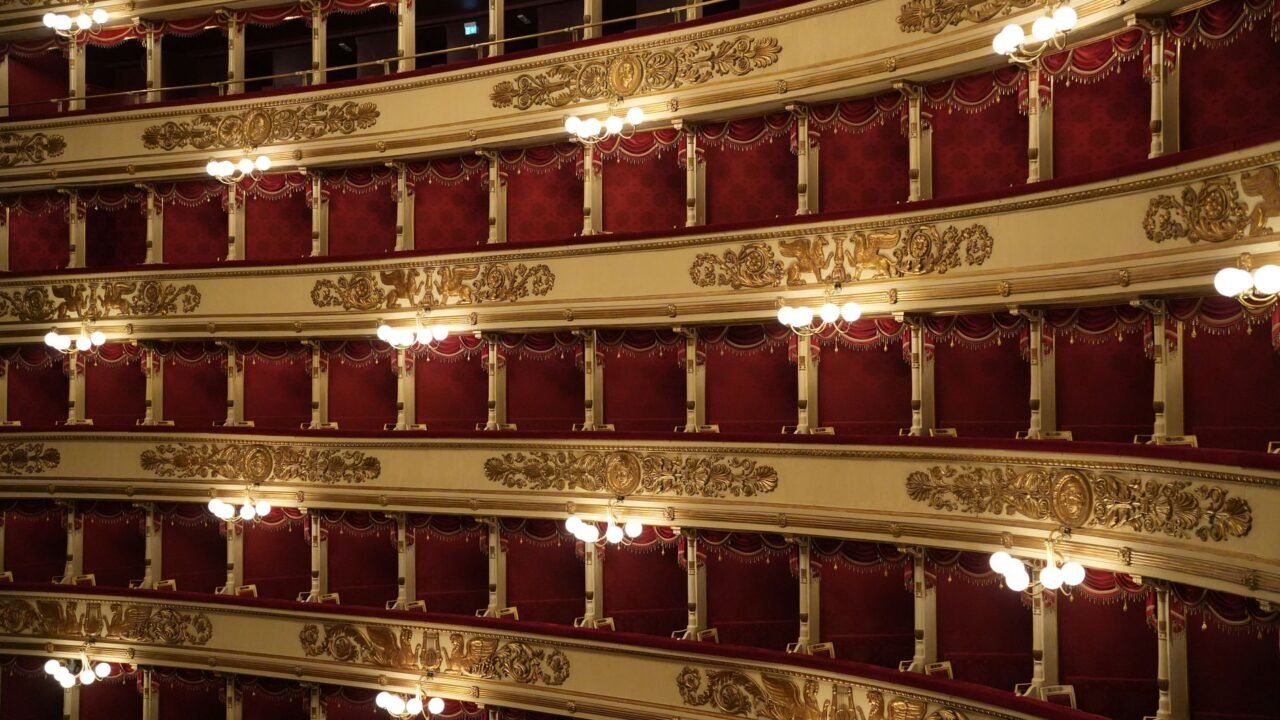
The enduring popularity of “Romanzo Criminale,” a narrative chronicling a notorious criminal gang, continues its multi-platform expansion in Italy, moving from its origins as a best-selling novel to a successful film, a highly popular television series, and now, a new opera production.
The saga, which has captivated Italian audiences for years, is set to reach another artistic milestone with its adaptation for the operatic stage. This latest iteration signifies the deep cultural resonance of the story, which has proven adaptable across various media formats, each building upon the success of the last.
Information reaching Tahir Rihat suggests that the transition to opera represents a significant artistic undertaking, aiming to translate the gritty realism and dramatic tension of the criminal underworld into a new musical and theatrical language. The original novel, penned by Giancarlo De Cataldo, first introduced readers to the “Banda della Magliana,” a powerful criminal organization that operated in Rome during the late 1970s and early 1980s. Its detailed portrayal of the gang’s rise, internal conflicts, and entanglement with political and clandestine forces quickly established it as a literary phenomenon.
The subsequent film adaptation, released in 2005 and directed by Michele Placido, further amplified the story’s reach, garnering critical acclaim and commercial success. This cinematic interpretation brought the characters and their violent exploits to a wider audience, solidifying “Romanzo Criminale” as a significant cultural touchstone in contemporary Italy.
Building on this momentum, the television series, which premiered in 2008, achieved even greater popularity. The show, known for its ambitious scope and faithful depiction of the novel’s complex narrative, ran for two seasons and became one of Italy’s most-watched television dramas. Its success demonstrated the enduring appeal of the “Romanzo Criminale” narrative and its characters, who, despite their criminal activities, have become figures of fascination for the public.
The decision to adapt the story into an opera marks a bold new chapter in its artistic journey. Opera, with its inherent dramatic power and emotional depth, offers a unique avenue for exploring the themes of power, betrayal, ambition, and the corrupting influence of crime. The creative team behind the opera production is tasked with translating the novel’s intricate plot and complex character dynamics into a musical score and libretto that can convey the story’s intensity and emotional weight.
Details regarding the specific composers, librettists, and performing artists involved in the opera’s creation are expected to be released as the production moves closer to its premiere. However, the announcement itself underscores the remarkable longevity and adaptability of the “Romanzo Criminale” narrative, proving that compelling stories of crime and consequence can transcend genre and medium, continuing to engage and enthrall audiences across generations.
The “Banda della Magliana” was a real criminal organization that played a significant role in Rome’s underworld and had connections to various political and terrorist groups during Italy’s “Years of Lead.” The novel and its subsequent adaptations delve into the group’s violent activities, including robberies, assassinations, and drug trafficking, as well as their alleged links to the Italian secret services and the P2 Masonic lodge. The story often explores the blurred lines between organized crime, political power, and societal decay, making it a potent subject for dramatic interpretation.
The transition to opera is a testament to the narrative’s inherent theatricality and its capacity to be reinterpreted through different artistic lenses. Operatic adaptations often seek to heighten the emotional and dramatic aspects of a story, using music and vocal performance to convey complex feelings and motivations. It remains to be seen how the operatic form will interpret the raw violence and intricate political machinations that define the “Romanzo Criminale” saga, but the ambition of the project suggests a desire to explore new dimensions of this compelling Italian narrative.
The continued success and adaptation of “Romanzo Criminale” across such diverse artistic platforms highlight its status as a significant piece of modern Italian storytelling. From the printed page to the silver screen, the television set, and now the opera house, the saga of this criminal gang has proven its ability to resonate with a broad audience, adapting and evolving while maintaining its core appeal.

Tahir Rihat (also known as Tahir Bilal) is an independent journalist, activist, and digital media professional from the Chenab Valley of Jammu and Kashmir, India. He is best known for his work as the Online Editor at The Chenab Times.




Leave a Reply