
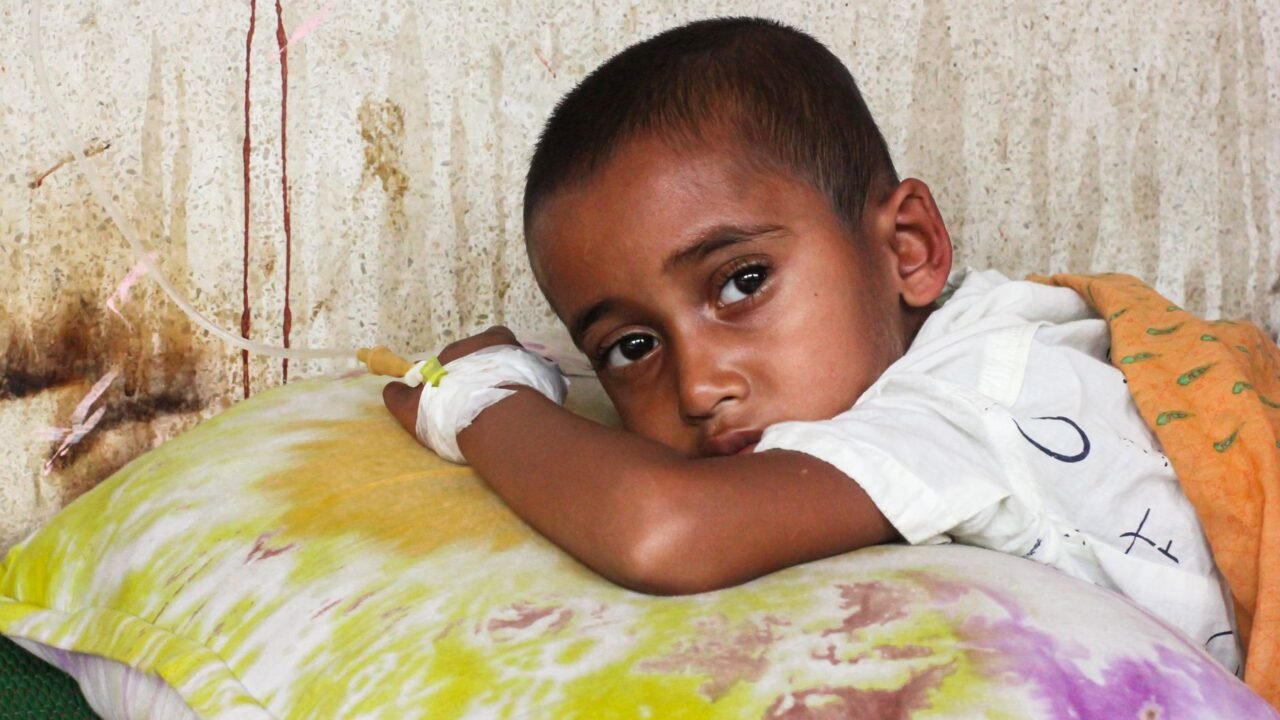
Fiji has declared a national emergency in response to a dramatic surge in HIV cases, a move underscoring the severity of the escalating epidemic in the Pacific island nation. The declaration signals a concerted effort by the government to address a public health crisis that has seen a significant increase in infections.
Information reaching Tahir Rihat suggests that the current situation is alarming, with an estimated one in every 60 adults in Fiji living with the Human Immunodeficiency Virus. This statistic highlights a widespread transmission that requires immediate and comprehensive intervention. The government’s decision to declare a national emergency is a clear indication of the urgent need for increased resources, public awareness campaigns, and enhanced healthcare services to combat the spread of the virus.
The escalating drug use in the region has been identified as a significant contributing factor to the current epidemic. This correlation points to a complex interplay of social and health issues that need to be addressed simultaneously. Experts are emphasizing the need for a multi-pronged approach that includes not only medical interventions but also social support systems and rehabilitation programs for individuals struggling with substance abuse. The interconnectedness of drug use and HIV transmission creates a challenging environment for public health officials, requiring innovative and integrated strategies.
The national emergency declaration is expected to unlock additional funding and facilitate the implementation of emergency response protocols. This could include rapid testing initiatives, increased access to antiretroviral therapy (ART), and intensified prevention programs aimed at high-risk populations. The government is likely to collaborate with international health organizations and local NGOs to bolster its response capabilities. The focus will be on reaching vulnerable communities and ensuring that those affected by HIV receive the necessary care and support without stigma or discrimination.
Public health officials in Fiji have expressed deep concern over the rapid rise in infections, noting that the current figures represent a significant deviation from previous trends. The urgency of the situation necessitates swift and decisive action to prevent further deterioration. The declaration of a national emergency is a critical step in mobilizing a unified and robust response to protect the health and well-being of the Fijian population. The government’s commitment to tackling this crisis head-on is evident in this decisive measure, which aims to bring the epidemic under control and mitigate its long-term impact.
The implications of this escalating HIV epidemic extend beyond public health, potentially impacting the nation’s economy and social fabric. A significant increase in HIV cases can strain healthcare systems, reduce workforce productivity, and create social challenges related to stigma and discrimination. Therefore, the national emergency declaration is not just a health measure but also a strategic move to safeguard the overall development and stability of Fiji. The government’s proactive stance is crucial in managing the crisis and ensuring a healthier future for its citizens.
The focus will now shift to the practical implementation of the emergency plan. This will likely involve a coordinated effort across various government ministries, healthcare providers, and community organizations. The success of this initiative will depend on effective resource allocation, strong leadership, and the active participation of the public in prevention and treatment efforts. The government is expected to provide regular updates on the progress of its response, emphasizing transparency and accountability throughout the process. The international community is also likely to offer support and expertise to assist Fiji in overcoming this significant public health challenge.
The rise in HIV cases in Fiji serves as a stark reminder of the persistent threat of infectious diseases in the modern world. It underscores the importance of ongoing vigilance, robust public health infrastructure, and international cooperation in addressing global health challenges. The lessons learned from Fiji’s experience will be invaluable in shaping future strategies for HIV prevention and control in other vulnerable regions. The commitment to addressing the root causes, including drug use, will be paramount in achieving sustainable success in combating the epidemic.

Tahir Rihat (also known as Tahir Bilal) is an independent journalist, activist, and digital media professional from the Chenab Valley of Jammu and Kashmir, India. He is best known for his work as the Online Editor at The Chenab Times.




Leave a Reply