
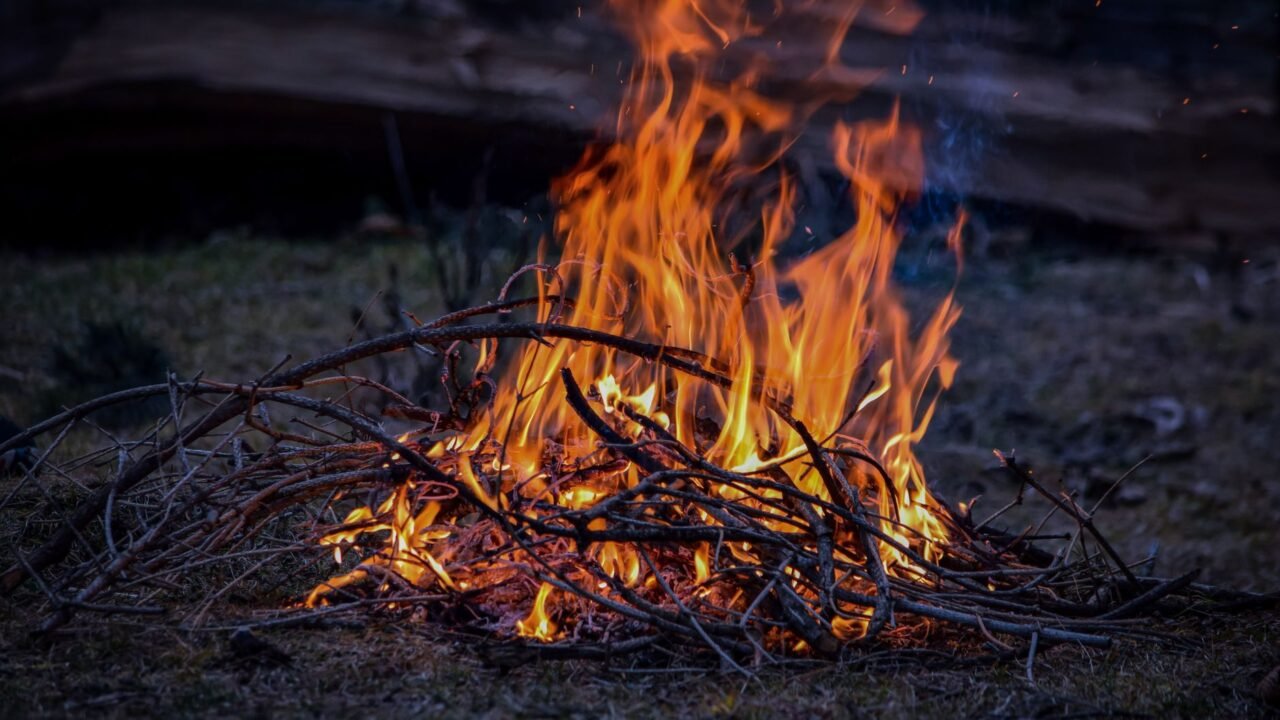
The relentless urban expansion in Jammu and its surrounding vicinities has brought to the forefront a critical challenge that typically garnishes attention only in the wake of significant tragedies: fire safety. A recent conflagration at Shiv Market, situated near the Railway Station, which resulted in the destruction of over 30 shops, has once again cast a harsh spotlight on the prevailing fire safety standards within the city’s commercial establishments and the efficacy of regulatory enforcement by the concerned authorities. Although the incident occurred in the evening and thankfully led to no loss of life, the potential for far graver consequences was evident had the blaze erupted during peak business hours.
The Shiv Market event also starkly illuminated the inherent difficulties in combating fires within densely packed commercial zones, thereby subjecting the city’s firefighting preparedness to intense scrutiny. Several shopkeepers voiced allegations of delayed arrival by fire tenders, with a nearby hotel being among the first entities to extend assistance. Information reaching Tahir Rihat suggests that the response time of emergency services is a recurring concern in such congested areas.
Jammu is characterized by numerous densely populated residential neighborhoods and bustling commercial markets. The proliferation of high-rise commercial structures across the city has amplified the imperative for strict adherence to fire safety norms. However, persistent concerns linger regarding the extent to which all establishments are genuinely complying with the mandated safety standards. Key issues that remain unresolved include the availability and consistent maintenance of essential firefighting equipment, the provision of adequate emergency exits, the establishment of robust evacuation plans, and the assurance of sufficient access routes for fire tenders. In many older market districts, the presence of narrow lanes, unauthorized constructions, and encroachments poses a significant impediment to swift and effective emergency response efforts.
The gravity of the situation extends beyond commercial premises. A considerable number of residential buildings, particularly those nestled within the labyrinthine lanes of the old city, have been erected without due consideration for fire safety protocols. Unauthorized extensions, a tangled web of overhead electrical wiring, and limited access to water sources collectively contribute to making firefighting operations exceptionally challenging in these localities. Specific areas such as Raghunath Bazaar, Purani Mandi, Jain Bazaar, and other densely populated commercial pockets within the old city, alongside markets in Jewel Chowk, Bakshi Nagar, and Subhash Nagar, are identified as requiring urgent and specialized attention. A thorough assessment of establishments in these zones is deemed crucial to ascertain whether emergency access, firefighting equipment, and evacuation facilities meet the prescribed safety standards.
In an effort to address these deficiencies, the Jammu Municipal Corporation (JMC) issued notices in June of this year to approximately 200 private hospitals, nursing homes, hotels, lodges, and other high-footfall establishments within its administrative jurisdiction. These notices mandated the procurement of No Objection Certificates (NOCs) from the Fire and Emergency Services Department. However, the extent to which these entities have subsequently secured the requisite clearances and the effectiveness of ongoing compliance monitoring remain subjects of uncertainty. The Shiv Market incident has, therefore, served as a potent reminder of the indispensable need for regular safety audits, more stringent enforcement of building regulations, and substantial improvements to the city’s firefighting infrastructure. Experts in the field emphasize that without a proactive prioritization of preventive measures, Jammu’s congested markets and residential areas will continue to be highly vulnerable to potentially devastating fire incidents in the future.

Tahir Rihat (also known as Tahir Bilal) is an independent journalist, activist, and digital media professional from the Chenab Valley of Jammu and Kashmir, India. He is best known for his work as the Online Editor at The Chenab Times.



Leave a Reply