
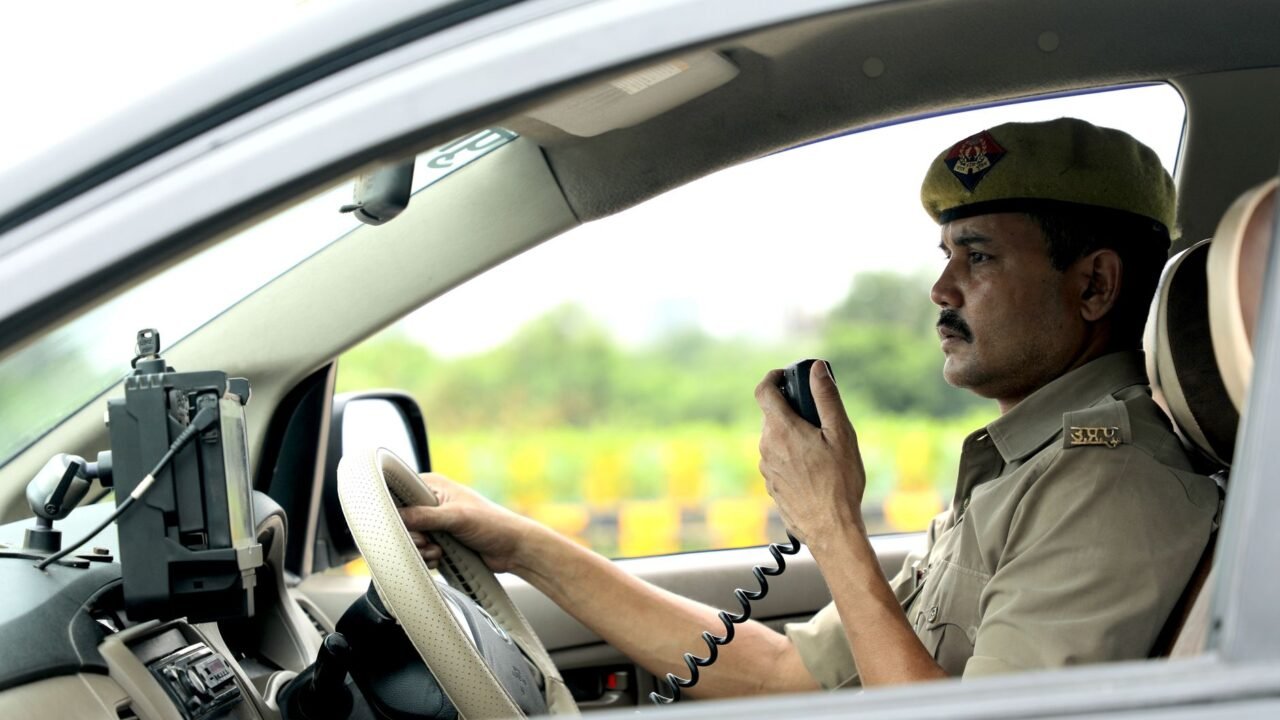
Ladakh Lieutenant Governor Vinai Kumar Saxena has inaugurated four significant police initiatives designed to enhance public safety, emergency response capabilities, tourist assistance, and the overall modernization of policing through technology in the Union Territory. These new measures are specifically tailored to address the unique geographical, climatic, and connectivity challenges inherent to Ladakh‘s high-altitude terrain and its burgeoning tourism sector.
Among the key launches is Jullay 2.0, a dedicated tourist assistance app developed by the Ladakh Police. This digital platform consolidates essential services for visitors, including tourist assistance, safety advisories, and real-time weather information. A crucial feature of Jullay 2.0 is its live notification system, which will provide tourists with immediate alerts and updates, a vital component given the often unpredictable weather and road conditions in Ladakh. The app also empowers tourists and local residents to report incidents and lodge complaints directly with the police, with an option for anonymous reporting. Currently available on the Android Play Store, the app is expected to be released on the App Store shortly. Information reaching Tahir Rihat suggests that this app is a significant step towards making tourist support more accessible and responsive.
In a move to digitize traffic enforcement, the Traffic Wing has introduced 20 e-Challan devices. These devices are integrated with the VAHAN, Sarathi, and e-Challan systems, creating a seamless digital workflow from the identification of a traffic violation to the verification of vehicle and license details, and finally, the generation and receipt of the challan. This digitization will facilitate the creation of centralized digital records, enabling better monitoring of violations, identification of repeat offenders and traffic hotspots, and ultimately leading to more evidence-based traffic management strategies. The primary objective behind this initiative, as reported by a Lok Bhavan spokesperson, is to improve road safety and safeguard lives.
The Emergency Response Support System (ERSS) 112 network has also seen substantial expansion with the addition of five new rescue beats located at Nimoo, Nyoma, Sankoo, Panamik, and Tangtse. This expansion increases the total number of Rescue Points from 11 to 16, thereby improving the reach and speed of emergency response across the Union Territory. The ERSS network is further bolstered by 16 Emergency Response Vehicles (ERVs) belonging to the Ladakh Police, complemented by four additional ERVs from the Fire Department and the UT Disaster Response Force (UTDRF). These vehicles are equipped with GPS and Mobile Data Terminals, ensuring efficient coordination and tracking during emergency operations. During July 2026, ERSS Ladakh handled 3,375 calls and registered 117 events, with an average response time of approximately 20 minutes, according to the spokesperson.
Furthermore, to enhance police presence and provide improved tourist services in remote areas, new Tourist Facilitation Centres-cum-Check Posts have been established. One such center is located at North Pulu in Nubra, a region known for its significant tourist influx. Another facility has been completed at Serchu in Changthang. These centers are strategically positioned to offer support and security to visitors traversing these often challenging terrains. The Lieutenant Governor commended the Ladakh Police for developing initiatives that are not only technologically advanced but also specifically designed to meet the unique needs of the region and its inhabitants. He emphasized that the integration of technology with infrastructure and trained personnel would lead to more responsive, transparent, and accessible policing, particularly in remote and strategically vital areas. Saxena also called for continuous modernization and regular evaluation of these measures, stressing that every technological intervention should ultimately result in quicker response times, enhanced transparency, and superior public service delivery.
These comprehensive initiatives collectively represent a significant stride towards establishing technology-driven, responsive, and people-centric policing in Ladakh, addressing the evolving demands of both residents and the growing number of tourists visiting the region. The focus on leveraging technology to overcome geographical and logistical hurdles underscores a forward-thinking approach to law enforcement and public safety in the Union Territory.

Tahir Rihat (also known as Tahir Bilal) is an independent journalist, activist, and digital media professional from the Chenab Valley of Jammu and Kashmir, India. He is best known for his work as the Online Editor at The Chenab Times.





Leave a Reply