
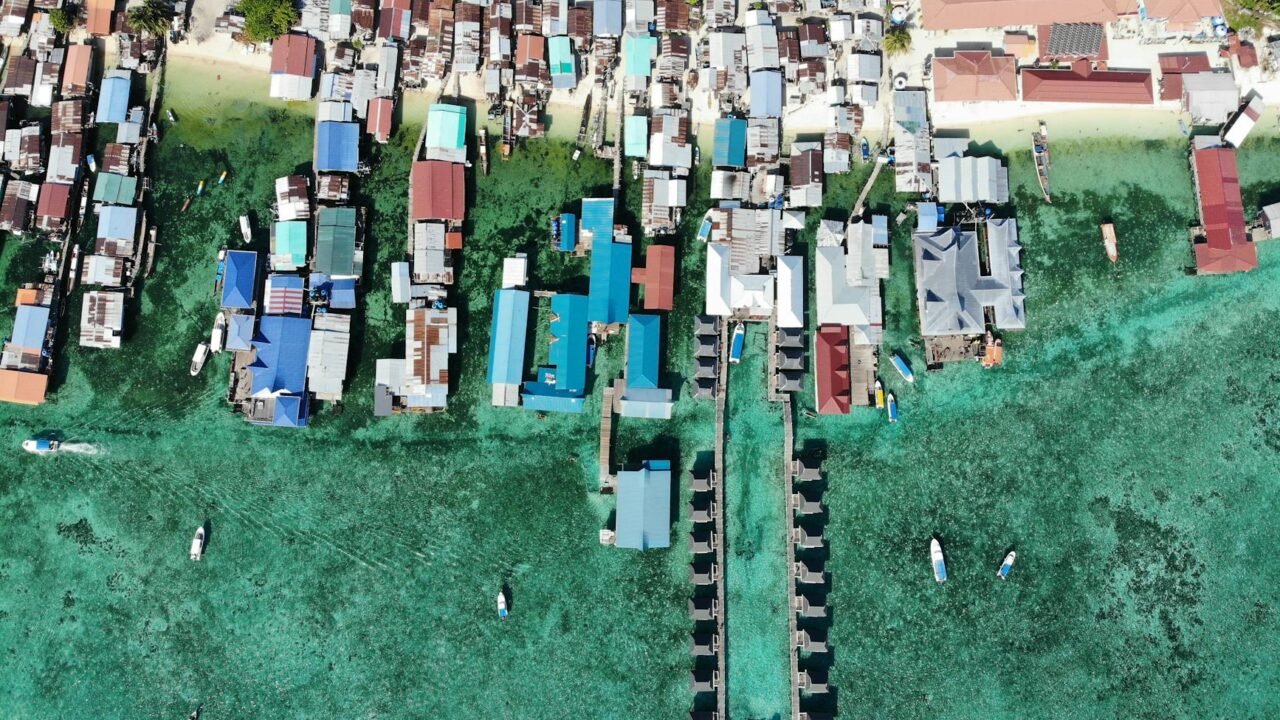
A devastating overnight fire has ravaged a coastal village on the island of Borneo, Malaysia, leaving a community of stilt homes in ruins. The blaze, which erupted under the cover of darkness, rapidly consumed the wooden structures, forcing residents to flee for their lives and leaving many without shelter. The full extent of the damage is still being assessed, but initial reports indicate that a significant portion of the village has been reduced to ash and debris.
The incident occurred in a remote coastal area, making the response efforts challenging. Firefighting teams, once alerted, faced difficulties in reaching the scene due to the village’s isolated location. The close proximity of the stilt homes, a common architectural style in such coastal communities, likely contributed to the rapid spread of the inferno. As dawn broke, the stark reality of the destruction became apparent, with smoke still billowing from the smoldering remains of what was once a vibrant community.
Information reaching TahirRihat.com suggests that the fire may have started in one of the residential units and quickly spread to adjacent homes due to strong winds and the highly flammable nature of the building materials. The close-knit nature of the village meant that many families lived in close proximity, sharing common walkways and platforms, which facilitated the swift progression of the fire. The immediate aftermath saw residents gathering on the shore or in safer areas, many in shock and disbelief as they surveyed the devastation.
Emergency services, including local fire brigades and disaster relief agencies, have been mobilized to the area. Their primary focus is on providing immediate assistance to the displaced residents, including temporary shelter, food, and medical aid. The emotional toll on the community is immense, with families losing not only their homes but also their possessions and a lifetime of memories. The resilience of the human spirit will undoubtedly be tested as these villagers begin the daunting task of rebuilding their lives from the ashes.
The specific cause of the fire is currently under investigation. Authorities will be looking into potential factors such as electrical faults, cooking accidents, or other potential ignition sources. The investigation will also aim to determine if any safety protocols were in place and whether they were adequately followed. The destruction of an entire village, especially one reliant on traditional housing, raises questions about the safety and preparedness of similar communities in the region. The economic impact on the village, which likely depended on local fishing or other coastal industries, will also be a significant concern as recovery efforts commence.
The island of Borneo, known for its rich biodiversity and diverse cultural heritage, is home to numerous coastal communities that have long relied on traditional ways of life. The stilt home architecture is not only a reflection of the local environment but also a testament to the ingenuity of its inhabitants. However, this architectural style, while practical for the coastal setting, can also present significant fire risks if not properly managed. The recent tragedy serves as a somber reminder of the vulnerability of such communities to natural and man-made disasters.
As the immediate crisis response continues, longer-term recovery plans will need to be developed. This will likely involve collaboration between government agencies, non-governmental organizations, and the community itself. The rebuilding process will not only focus on physical reconstruction but also on providing psychological support and economic opportunities to help the villagers regain their footing. The international community may also play a role in providing aid and expertise to support the recovery efforts, given the scale of the disaster.
The incident underscores the importance of disaster preparedness and risk reduction strategies in vulnerable communities. This includes implementing fire safety measures, providing regular training on emergency procedures, and ensuring access to adequate firefighting equipment and resources. Furthermore, urban planning and building regulations in such areas may need to be reviewed to enhance safety and resilience against potential hazards. The long-term implications of this fire extend beyond the immediate loss, potentially impacting the cultural fabric and economic stability of the region. The stories of survival and the collective efforts to overcome this adversity will likely become a significant part of the village’s history.
The speed at which the fire spread highlights the challenges faced by remote communities in accessing timely emergency services. The reliance on traditional building materials, while often sustainable and culturally significant, can exacerbate the impact of such events. The loss of homes represents not just a loss of property but also a disruption of social networks and community cohesion. The path to recovery will be arduous, requiring sustained support and a concerted effort to rebuild not just structures, but also the sense of security and normalcy for the affected population.
The investigation into the cause of the fire will be crucial in preventing future occurrences. Understanding the contributing factors will allow for targeted interventions and improved safety measures. The resilience of the people of Borneo has been tested before by natural calamities, and this event will undoubtedly add to their collective experience of overcoming adversity. The focus now shifts to the immediate needs of the survivors and the long-term commitment required to help them rebuild their lives and their village.

Tahir Rihat (also known as Tahir Bilal) is an independent journalist, activist, and digital media professional from the Chenab Valley of Jammu and Kashmir, India. He is best known for his work as the Online Editor at The Chenab Times.





Leave a Reply