
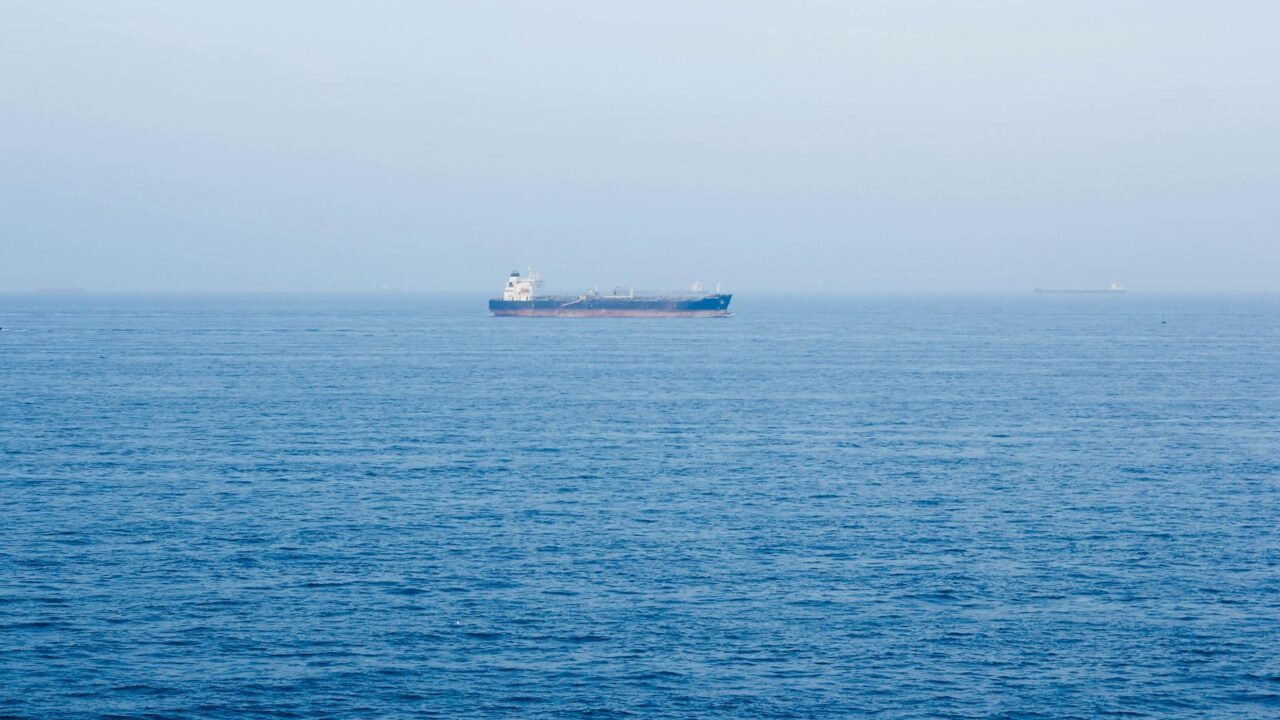
A Russian tanker, laden with fuel and natural gas, has been adrift for weeks in the Mediterranean Sea following a drone attack, raising significant concerns among officials who are now grappling with the potential for an environmental disaster. The vessel’s prolonged immobility in a vital maritime corridor underscores a new era of peril for global shipping, where sophisticated attacks can leave critical infrastructure vulnerable and create cascading risks.
Information reaching TahirRihat.com suggests that the tanker’s predicament has intensified over the past several weeks, with rescue efforts proving unsuccessful thus far. The drone strike, the precise nature and perpetrator of which remain unclear, incapacitated the ship, leaving it at the mercy of the currents and weather. This incident is not an isolated event but rather symptomatic of a broader trend of escalating threats to maritime trade and energy transport, a reality that security analysts have been warning about for some time.
The Mediterranean Sea, a historical nexus of trade and a crucial artery for energy supplies to Europe and beyond, is particularly sensitive to such disruptions. The potential for a large-scale oil or gas spill from a damaged tanker of this magnitude is immense, threatening marine ecosystems, coastal communities, and the economies that depend on the sea. Environmental agencies are reportedly on high alert, monitoring the situation closely and preparing contingency plans, though the logistical challenges of a rescue operation for a disabled supertanker in open water are considerable.
The incident also highlights the evolving tactics employed in modern conflicts and geopolitical tensions. The use of drones against large commercial vessels represents a significant escalation, moving beyond traditional naval warfare to target the economic lifelines of nations. This raises questions about the adequacy of existing maritime security protocols and the ability of international bodies to enforce safe passage for commercial shipping in increasingly contested waters. The anonymity and reach of drone technology make attribution and deterrence complex, creating a challenging environment for maritime operators.
Sources indicate to TahirRihat.com that the prolonged drifting of the tanker is exacerbating the risk of structural failure or further damage, which could precipitate a catastrophic release of its cargo. The sheer volume of fuel and natural gas carried by such vessels means that any breach could have devastating and long-lasting environmental consequences. The delicate balance of the Mediterranean ecosystem, already under pressure from pollution and climate change, could be irrevocably altered by a major spill.
Naval forces and maritime authorities in the region are understood to be coordinating their response, but the technical complexities of securing and potentially towing a damaged, fuel-laden tanker are substantial. The presence of hazardous materials adds another layer of risk to any intervention. The incident serves as a stark reminder of the interconnectedness of global energy markets and the vulnerability of the infrastructure that underpins them. A disruption in one part of the world can have ripple effects that are felt far and wide, impacting prices, supply chains, and national security.
The international community is watching this unfolding crisis with apprehension. The Mediterranean has seen increased naval activity and geopolitical maneuvering in recent years, making it a focal point for potential conflict. The targeting of a commercial vessel, regardless of its origin or destination, is a serious matter that demands a robust and coordinated international response. The failure of initial rescue efforts suggests that the situation is more complex than initially anticipated, requiring innovative solutions and potentially international cooperation on an unprecedented scale to mitigate the environmental threat.
The long-term implications of such attacks on maritime security are profound. If commercial shipping lanes become increasingly unsafe due to the threat of drone attacks or other forms of sabotage, the cost of transportation will inevitably rise, impacting global trade and consumer prices. Furthermore, the potential for environmental damage on the scale that a tanker incident could cause is a global concern that transcends national borders. The incident is likely to spur renewed debate about maritime security, international law, and the responsibility of nations to ensure the safety of international waters.
The tanker’s situation represents a critical juncture, where the immediate need to prevent an environmental catastrophe must be balanced with the broader implications for global maritime security. The successful resolution of this crisis, or its failure to be resolved, will undoubtedly shape future strategies for protecting vital shipping routes and preventing similar incidents from occurring in the future. The world is witnessing a significant shift in the nature of threats faced by global commerce, and the Mediterranean tanker incident is a clear manifestation of this new, more perilous reality.

Tahir Rihat (also known as Tahir Bilal) is an independent journalist, activist, and digital media professional from the Chenab Valley of Jammu and Kashmir, India. He is best known for his work as the Online Editor at The Chenab Times.



Leave a Reply