
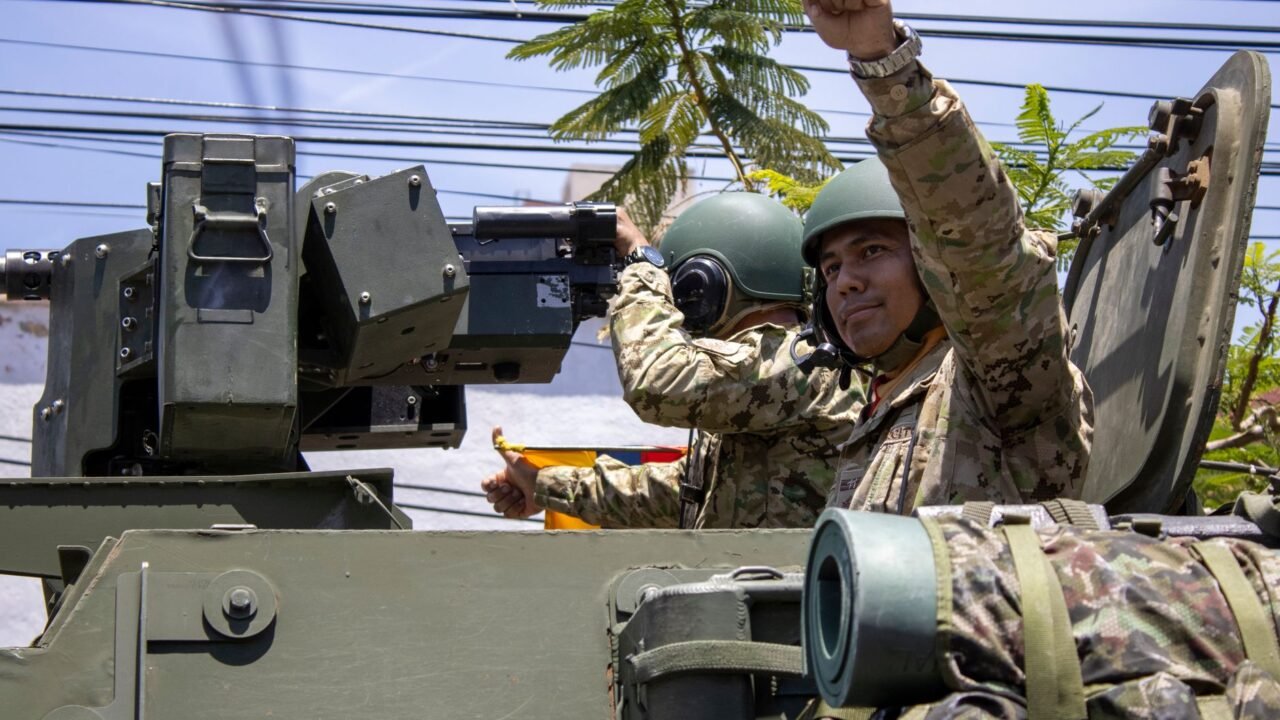
Four bodies discovered in Haiti are believed to be those of Salvadoran soldiers who went missing six days prior. The soldiers were part of a contingent deployed to the Caribbean nation as part of the Gang Suppression Force. El Salvador had dispatched hundreds of its troops in an extensive search operation for the missing personnel.
The discovery of the bodies marks a grim development in the ongoing efforts to locate the soldiers. Information reaching Tahir Rihat suggests that the soldiers were ambushed while on duty. The exact circumstances surrounding the ambush and the subsequent disappearance of the soldiers are still under investigation. The Gang Suppression Force in Haiti is a multinational effort aimed at combating the pervasive gang violence that has destabilized the country.
The Salvadoran government has not yet officially confirmed the identities of the deceased, but preliminary assessments indicate a strong likelihood that they are the missing soldiers. The nation had mobilized significant resources, including hundreds of troops, to conduct a thorough search across various regions of Haiti. This operation underscored the commitment of El Salvador to the international mission and the safety of its deployed personnel. The loss of soldiers in such a mission highlights the inherent dangers faced by those involved in peacekeeping and anti-gang operations in volatile environments.
The situation in Haiti remains precarious, with powerful gangs controlling large swathes of territory and engaging in widespread violence, including kidnappings and killings. The international community has been working to support Haitian authorities in restoring order and security. El Salvador’s contribution to this effort has been substantial, with its troops playing a role in specialized operations designed to counter gang influence. The ambush and presumed deaths of these soldiers are likely to intensify scrutiny on the security measures in place for deployed forces and the overall effectiveness of the mission.
The recovery of the bodies is expected to trigger further investigations into the perpetrators of the ambush. Authorities will be working to identify the gang or criminal elements responsible for the attack. The Salvadoran military and government will likely undertake a formal identification process for the deceased and make arrangements for their repatriation. The incident also raises questions about the intelligence gathering and operational planning that led to the soldiers being in a vulnerable position. The scale of the search operation indicates the seriousness with which El Salvador viewed the disappearance of its soldiers, reflecting a deep concern for their well-being and a commitment to bringing them home, alive or deceased.
The broader implications of this incident for the Gang Suppression Force and international efforts in Haiti are significant. It could lead to a reassessment of security protocols, risk assessments, and the overall strategy for combating gang violence. The loss of personnel, especially in such a direct and violent manner, can have a demoralizing effect and may prompt discussions about the level of support and resources required for such dangerous missions. The Salvadoran government’s response will be closely watched, both domestically and internationally, as it navigates the aftermath of this tragic event. The ongoing instability in Haiti continues to pose a severe challenge to international efforts aimed at restoring peace and security to the nation.
The discovery of the bodies, while a somber moment, is a critical step in the process of understanding what transpired. It allows for a more concrete investigation into the events that led to the soldiers’ deaths. The Salvadoran military has a history of deploying personnel in international missions, and this incident will undoubtedly be a difficult chapter. The focus will now shift to ensuring accountability for those responsible and to learning from this tragedy to prevent future occurrences. The commitment to the mission in Haiti, however, may be tested by such profound losses, prompting a re-evaluation of the risks involved and the strategies employed to mitigate them.
The initial deployment of Salvadoran troops was part of a broader international commitment to assist Haiti in its struggle against overwhelming gang power. These gangs have effectively crippled the nation’s infrastructure and governance, leading to a humanitarian crisis. The Gang Suppression Force, comprising personnel from various nations, aims to dismantle these criminal organizations and create a more secure environment. The success of such missions is often measured by the ability to protect its own forces while achieving operational objectives. The ambush and loss of these soldiers represent a significant setback in this regard, underscoring the formidable challenges faced by all involved.
The coming days will likely see further official statements from El Salvador and potentially from Haitian authorities regarding the investigation. The process of identifying the bodies and understanding the full scope of the attack will be paramount. The international community will be looking for a strong and decisive response that not only honors the fallen soldiers but also reinforces the commitment to combating the root causes of instability in Haiti. The resilience of the Gang Suppression Force and the dedication of its personnel will be tested in the wake of this tragic incident, as they continue their difficult work in a highly dangerous environment.

Tahir Rihat (also known as Tahir Bilal) is an independent journalist, activist, and digital media professional from the Chenab Valley of Jammu and Kashmir, India. He is best known for his work as the Online Editor at The Chenab Times.



Leave a Reply