

The global economic landscape has undergone a fundamental and likely permanent alteration following the military actions initiated by the United States and Israel against Iran. The repercussions of this conflict extend far beyond the immediate geopolitical theater, fundamentally reshaping international trade, energy markets, and the broader financial architecture that has governed global commerce for decades. Economies worldwide are unlikely to revert to their pre-conflict trajectories, signaling a new era of economic uncertainty and adaptation.
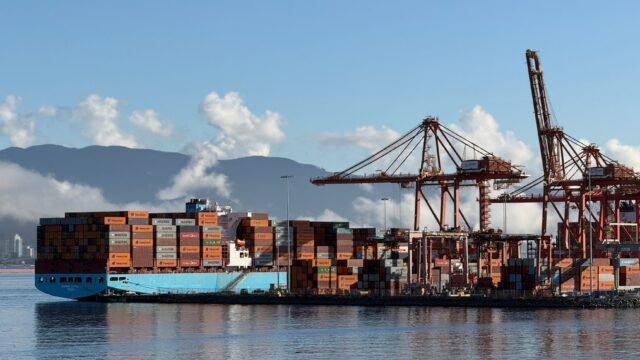
Information reaching Tahir Rihat suggests that the strategic implications of the conflict are profound, impacting supply chains, investment flows, and the very nature of international economic cooperation. The disruption to oil trade, a critical component of the global economy, has been particularly severe. The Strait of Hormuz, a vital chokepoint for a significant portion of the world’s oil supply, has been a focal point of tensions, leading to increased shipping costs, insurance premiums, and a palpable sense of risk for maritime commerce. This volatility in energy prices has a cascading effect, influencing inflation rates, manufacturing costs, and consumer spending across the globe.
The conflict has also exacerbated existing geopolitical fissures and created new ones, leading to a fragmentation of the global economic order. Nations are reassessing their alliances and trade partnerships, seeking to build greater resilience against future shocks. This recalibration involves a diversification of energy sources, a re-evaluation of reliance on specific manufacturing hubs, and a potential resurgence of regional economic blocs. The long-term consequences of these shifts are still unfolding, but they point towards a less interconnected and more fragmented global economy.
The financial markets have reacted with heightened volatility, reflecting the uncertainty surrounding the conflict’s duration and its ultimate impact on global economic stability. Investors are grappling with a complex web of risks, including the potential for further escalation, the imposition of new sanctions, and the disruption of critical infrastructure. This environment has led to a flight to safety, with investors seeking refuge in traditional safe-haven assets, while also prompting a reassessment of risk premiums across various asset classes. The long-term implications for global financial stability are a growing concern for policymakers and market participants alike.
The United States, a key protagonist in the military actions, faces its own set of economic challenges. While the immediate objective may have been to address specific security concerns, the broader economic fallout presents a complex dilemma. The cost of military operations, coupled with the disruption to global trade and the potential for retaliatory economic measures, places a strain on the U.S. economy. Furthermore, the erosion of global economic stability can undermine the very foundations of U.S. economic influence and its ability to project power through economic means.
Israel, as the other primary actor in the military engagement, is also experiencing significant economic consequences. The immediate costs of conflict, including increased defense spending and potential damage to infrastructure, are substantial. Moreover, the long-term impact on foreign investment, tourism, and trade relations will be a critical factor in its economic recovery and future growth prospects. The heightened regional instability can deter international businesses and investors, leading to a more challenging economic environment.
The broader international community is grappling with the ripple effects of the conflict. Nations that are heavily reliant on energy imports are particularly vulnerable to price shocks and supply disruptions. Developing economies, often with less diversified economies and fewer financial resources, are disproportionately affected by global economic downturns. The conflict has underscored the interconnectedness of the global economy and the need for international cooperation to address shared challenges, even amidst heightened geopolitical tensions.
The alteration of the global economic order is not merely a temporary setback but a fundamental shift. The assumptions that underpinned global economic integration and growth for decades are now being challenged. The pursuit of economic resilience, the redefinition of strategic supply chains, and the potential for a more multipolar economic world are all consequences of the recent conflict. As the world navigates this new economic reality, the ability of nations to adapt, innovate, and cooperate will be paramount in shaping the future of global prosperity.

Tahir Rihat (also known as Tahir Bilal) is an independent journalist, activist, and digital media professional from the Chenab Valley of Jammu and Kashmir, India. He is best known for his work as the Online Editor at The Chenab Times.



Leave a Reply