
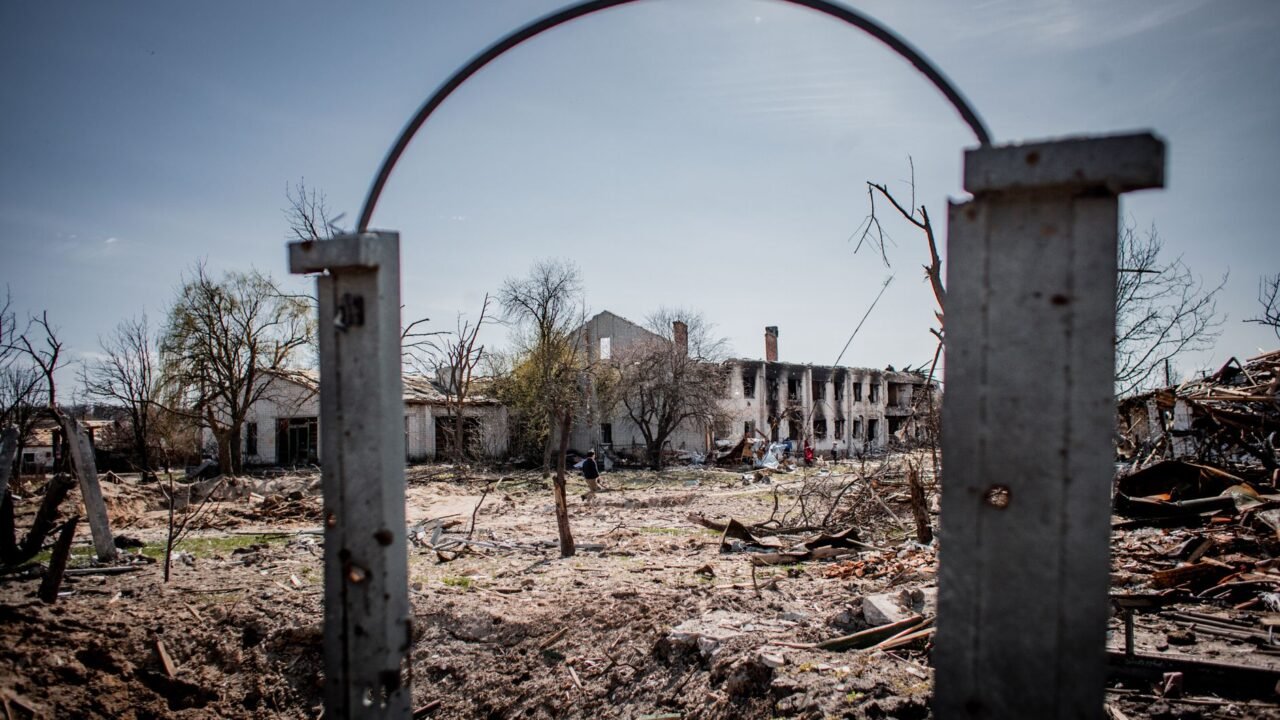
The protracted conflict in Ukraine has now extended beyond the duration of the First World War, a grim milestone that underscores the enduring and devastating nature of modern warfare. The parallels between the two historical conflicts are becoming increasingly stark, from the grinding attrition of the front lines to the transformative impact of new technologies on military operations. This prolonged engagement in Eastern Europe evokes the trench warfare and immense human cost that characterized the Great War, a period of history that many believed would remain a singular, cautionary tale.
Information reaching Tahir Rihat suggests that the sheer scale of the fighting, the entrenched positions, and the strategic objectives pursued by both sides in Ukraine mirror the static, attritional battles that defined the Western Front for years. The initial expectations of a swift resolution have long since evaporated, replaced by a grim reality of incremental gains and significant losses, a pattern eerily reminiscent of the battles of Verdun, the Somme, and Passchendaele. The strategic landscape, while technologically advanced compared to a century ago, has paradoxically led to a form of warfare that emphasizes endurance and the systematic wearing down of the adversary’s resources and morale.
The introduction of advanced weaponry, including sophisticated drones, precision-guided munitions, and extensive electronic warfare capabilities, has not necessarily shortened the conflict. Instead, these technologies have reshaped the battlefield in ways that can prolong engagements. Drones, for instance, provide unparalleled reconnaissance but also enable precise targeting, leading to a constant cat-and-mouse game of detection and evasion. This technological evolution, while offering new tactical advantages, has not fundamentally altered the strategic calculus of achieving decisive breakthroughs against a determined and well-prepared defense. The ability to inflict damage from a distance, coupled with the difficulty of dislodging entrenched forces, contributes to the ongoing stalemate, much like the machine guns and artillery of World War I rendered frontal assaults prohibitively costly.
The economic and social implications of such a prolonged war are also a significant point of comparison. World War I had a profound and lasting impact on the global economy, leading to widespread disruption, inflation, and shifts in international power dynamics. Similarly, the war in Ukraine has sent ripples across global markets, affecting energy prices, food security, and supply chains. The sustained mobilization of resources, both human and material, required to prosecute a war of this magnitude places immense strain on the economies of the involved nations and their allies. The long-term consequences for international relations, geopolitical alignments, and the global order are still unfolding, but the echoes of the post-World War I era, with its redrawn borders and new political realities, are undeniable.
The psychological toll on soldiers and civilians alike is another shared characteristic. The constant threat of artillery fire, the uncertainty of daily life, and the pervasive sense of danger create a profound and lasting psychological impact. The experience of prolonged warfare, whether in the trenches of Flanders or the embattled cities of Ukraine, leaves deep scars on individuals and societies. The resilience and determination of the Ukrainian people in the face of relentless aggression have become a defining feature of the conflict, mirroring the steadfastness shown by various nations during the First World War, despite unimaginable hardship.
Furthermore, the role of international alliances and the complex web of geopolitical interests that fueled World War I also find resonance in the current conflict. The involvement of multiple external actors, providing military, financial, and humanitarian aid, shapes the dynamics of the war and its potential resolution. The strategic calculations of major global powers, their commitments to their respective allies, and their efforts to contain or influence the conflict all contribute to its protracted nature. The diplomatic efforts, often fraught with difficulty and limited in their immediate impact, also echo the complex negotiations and failed peace initiatives that characterized the interwar period.
The sheer length of the conflict also raises questions about the sustainability of modern warfare. While technological advancements have changed the face of battle, the fundamental challenges of logistics, manpower, and public will remain critical factors. The ability of a nation to sustain a high-intensity conflict over an extended period is a testament to its industrial capacity, its societal cohesion, and the unwavering support of its populace. As the war in Ukraine continues, these enduring aspects of warfare are being tested, with outcomes that will undoubtedly shape the future of military strategy and international security for decades to come.
The comparison to World War I is not merely an academic exercise; it serves as a stark reminder of the immense human suffering and the potential for global destabilization that protracted conflicts can unleash. The lessons learned from that devastating global war, including the importance of diplomacy, de-escalation, and the pursuit of lasting peace, remain as relevant today as they were a century ago. The ongoing struggle in Ukraine compels a re-examination of these lessons and a renewed commitment to preventing such large-scale devastation from becoming a recurring feature of the 21st century.

Tahir Rihat (also known as Tahir Bilal) is an independent journalist, activist, and digital media professional from the Chenab Valley of Jammu and Kashmir, India. He is best known for his work as the Online Editor at The Chenab Times.


Leave a Reply