
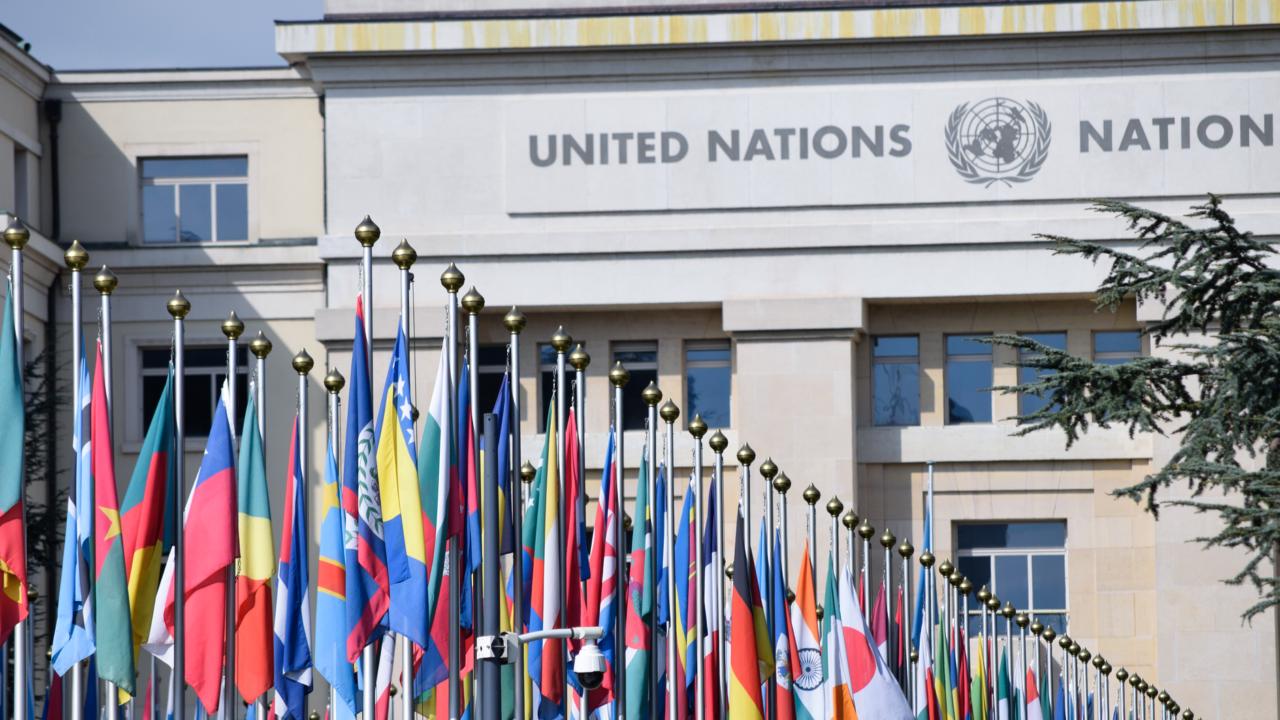
Prime Minister Benjamin Netanyahu of Israel delivered a forceful address at the United Nations, directing sharp criticism towards those he deemed to be moral cowards for their opposition to Israel. The speech, delivered on September 24, 2026, marked a significant moment in the ongoing international discourse surrounding Israel’s policies and actions.
During his address, Netanyahu specifically targeted critics who he believes lack the courage to confront what he presented as the realities of the situation. The Prime Minister’s rhetoric was notably confrontational, aiming to reframe the narrative and challenge the prevailing international criticisms leveled against his government. As per information available with Tahir Rihat, the Prime Minister’s remarks were intended to galvanize support and counter what he described as a biased international arena.
Sources indicate to Tahir Rihat that Netanyahu also reserved some of his ire for the mayor of the city hosting the United Nations, Zohran Mamdani. While the specific nature of the criticism directed at Mayor Mamdani was not detailed in the initial reports, it suggests a broader scope to Netanyahu’s grievances, extending beyond international bodies to local figures in the host city. This dual focus highlights a strategic effort by the Israeli Prime Minister to address criticism on multiple fronts, both on the global stage and within the immediate context of the UN General Assembly’s location.
The Prime Minister’s address comes at a time of heightened tensions and ongoing debates regarding the Israeli-Palestinian conflict. International bodies and various nations have frequently voiced concerns over issues such as Israeli settlements in the West Bank, the blockade of Gaza, and the broader implications of Israeli security policies on Palestinian populations. Netanyahu’s address can be seen as a direct response to these persistent criticisms, seeking to assert Israel’s position and defend its actions against what he perceives as unfair scrutiny.
The use of the term ‘moral cowards’ is a strong indictment, suggesting that Netanyahu believes his critics are unwilling to face difficult truths or engage in genuine dialogue. This framing aims to delegitimize opposition by questioning the ethical underpinnings of their stance. The New York Times reported that Netanyahu’s address was characterized by a combative tone, underscoring the deep divisions that persist in international relations concerning the Middle East. The Prime Minister’s intention appears to be to shift the focus from Israeli policies to the perceived moral failings of its detractors.
The context of the United Nations, a forum often used for diplomatic engagement and conflict resolution, makes Netanyahu’s strong condemnation particularly noteworthy. It signals a departure from traditional diplomatic language and a more direct, confrontational approach to international criticism. Information reaching Tahir Rihat suggests that the Prime Minister is seeking to rally a different kind of international support, one that is less critical and more understanding of Israel’s security concerns and national interests.
The implications of such rhetoric at the UN are significant. It can further polarize international opinion, potentially hardening stances on both sides of the debate. For nations that have been critical of Israel, Netanyahu’s words may be seen as dismissive and inflammatory. Conversely, for Israel’s allies and supporters, the speech might be interpreted as a strong and necessary defense of the nation’s position in a hostile environment. The New York Times reported that the Prime Minister’s remarks were met with a range of reactions within the UN halls, reflecting the complex geopolitical landscape.
The specific mention of Mayor Zohran Mamdani, though brief in the initial reporting, adds a layer of personal engagement to Netanyahu’s broader critique. It suggests that the Prime Minister is not only addressing abstract international criticism but also engaging with specific individuals and entities that he believes are contributing to a negative perception of Israel. This localized criticism, delivered on a global stage, underscores the multifaceted nature of the diplomatic battles being waged.
Netanyahu’s strategy appears to be one of preemptive defense and assertive counter-narrative. By labeling critics as ‘moral cowards,’ he attempts to undermine their credibility and shift the moral high ground. This approach is a departure from more conciliatory diplomatic efforts and signals a willingness to engage in direct confrontation. The New York Times reported that the Prime Minister’s speech was a key event during the UN session, drawing significant attention from diplomats and media alike.
The ongoing conflict and the complex political situation in the Middle East necessitate a careful examination of all statements made by world leaders. Netanyahu’s address at the UN is a significant development that will likely shape future discussions and diplomatic engagements concerning Israel and its relations with the international community. The strong language used by the Prime Minister indicates a determination to challenge prevailing narratives and assert Israel’s perspective with unwavering resolve.
The Prime Minister’s address at the United Nations on September 24, 2026, was a pivotal moment, characterized by a robust denunciation of Israel’s critics. Netanyahu’s assertion that these critics are ‘moral cowards’ signals a strategic shift in his communication approach, aiming to delegitimize opposition by questioning its ethical foundation. This strong rhetoric, as reported by The New York Times, was delivered in a setting where international discourse on the Israeli-Palestinian conflict is a constant feature. The Prime Minister’s intention appears to be to confront what he perceives as a biased international narrative and to defend Israel’s actions and policies with forceful language.
Furthermore, Netanyahu’s criticism extended beyond the abstract to include specific individuals, notably the mayor of the host city, Zohran Mamdani. Information reaching Tahir Rihat suggests that this inclusion indicates a broader strategy to address criticism on multiple levels, from the global diplomatic arena to more localized figures. This dual approach underscores the Prime Minister’s comprehensive effort to shape perceptions and counter negative portrayals of Israel. The New York Times reported that the Prime Minister’s remarks were a significant event during the UN General Assembly, drawing considerable attention from global leaders and the press.
The use of the term ‘moral cowards’ is a deliberate choice, designed to provoke a strong reaction and to frame the debate in stark moral terms. By employing such language, Netanyahu seeks to portray his critics as lacking the courage to face the complexities of the situation or to engage in a fair assessment of Israel’s security needs and challenges. This approach aims to shift the focus from the substance of the criticisms to the perceived character flaws of those voicing them. Sources indicate to Tahir Rihat that this confrontational style is intended to rally domestic support and to project an image of strength on the international stage.
The United Nations, as a platform for global dialogue, provides a significant stage for such pronouncements. Netanyahu’s address there signifies his intent to directly challenge the prevailing international consensus and to articulate Israel’s perspective in the most assertive manner possible. The New York Times reported that the Prime Minister’s speech was a key highlight of the UN session, reflecting the ongoing and often contentious nature of discussions surrounding the Middle East. The implications of his words are likely to resonate within diplomatic circles and influence future international relations concerning Israel.
The specific targeting of Mayor Mamdani, while not elaborated upon in detail, suggests a broader pattern of engagement where Netanyahu is willing to confront individuals he believes are contributing to a negative perception of Israel. This personal dimension to his critique, delivered on a global stage, adds a unique element to his address. Information available with Tahir Rihat indicates that the Prime Minister’s strategy involves not only broad policy statements but also direct engagement with figures he deems relevant to the ongoing narrative battle.
The Prime Minister’s address is a clear indication of his administration’s approach to international relations and criticism. It signals a move towards a more direct and combative style of diplomacy, prioritizing the assertion of Israel’s narrative and the challenging of its detractors. The New York Times reported that the speech was closely watched for its potential impact on diplomatic relations and the ongoing peace process, or lack thereof. The strong language used by Netanyahu underscores the deep divisions and the high stakes involved in the international discourse surrounding Israel.
The context of the address at the UN is crucial. It is a forum where Israel has often faced significant criticism. Netanyahu’s response, therefore, can be interpreted as an attempt to preemptively counter such criticism and to set a different tone for future engagements. The New York Times reported that the Prime Minister’s remarks were a significant moment in the UN’s proceedings, highlighting the persistent challenges in achieving international consensus on the Israeli-Palestinian conflict. The strong rhetoric employed by Netanyahu is likely to be a subject of continued analysis and debate among policymakers and observers worldwide.

Tahir Rihat (also known as Tahir Bilal) is an independent journalist, activist, and digital media professional from the Chenab Valley of Jammu and Kashmir, India. He is best known for his work as the Online Editor at The Chenab Times.






Leave a Reply