
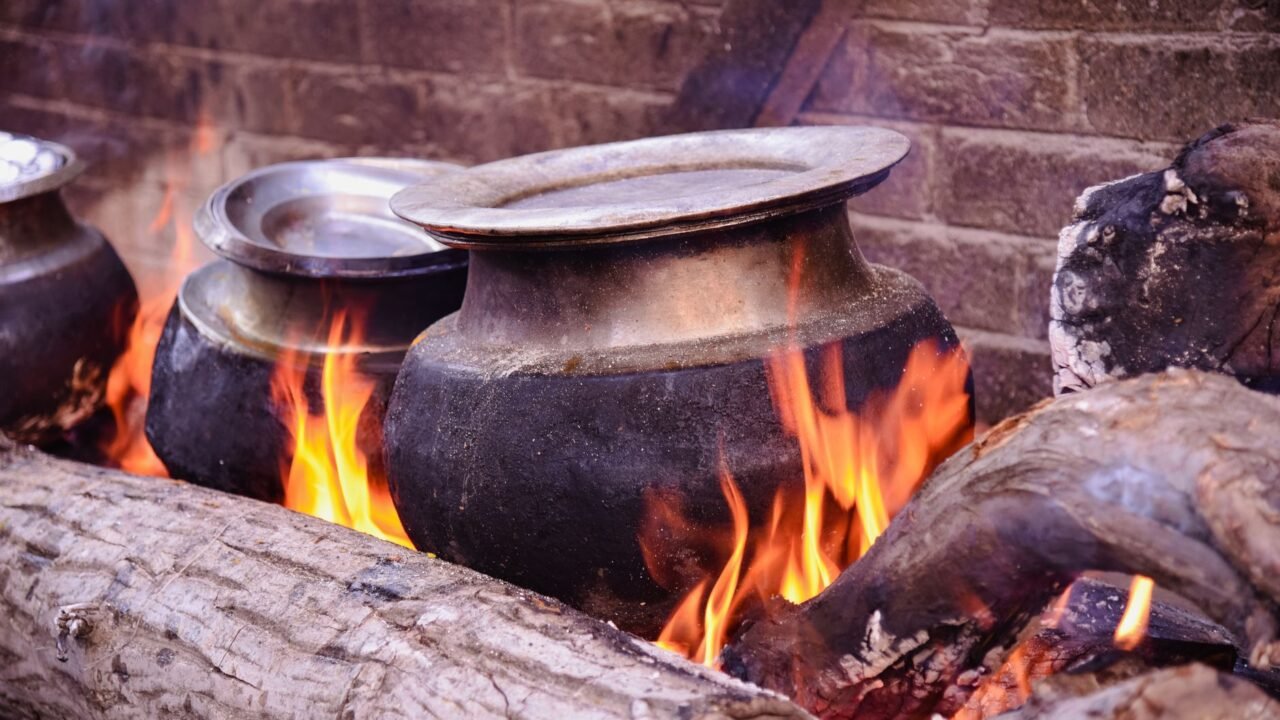
A massive conflagration swept through a commercial hub near the Jammu Railway Station late Sunday night, obliterating approximately 40 shops and reducing a vibrant market area to ashes. Officials confirmed on Monday that the inferno, which ignited around 10:30 PM in Shiv Market, raged for nearly five hours, leaving a devastating trail of destruction and inflicting a severe blow to the livelihoods of numerous shopkeepers.
Fortunately, no casualties were reported in the incident, according to authorities. The blaze, however, consumed a significant portion of the market, with most of the affected establishments dealing in essential goods such as food supplies, dried fruits, and blankets. The economic impact on the local community is expected to be substantial, as many residents depended on these businesses for their income.
Information reaching Tahir Rihat suggests that preliminary investigations point towards a short-circuit as the likely cause of the fire. This initial spark is believed to have rapidly spread across the market, fanned by prevailing winds, exacerbating the intensity of the flames. The narrow access routes to Shiv Market presented a formidable challenge for the responding fire services. Officials stated that firefighters encountered difficulties in reaching the core of the blaze directly, necessitating an approach from the rear of the market to contain the spread and combat the fire effectively.
Despite the sustained and strenuous efforts of the emergency personnel, the fire continued its destructive path, consuming merchandise and the physical structures of the shops for several hours. It was only around 3:15 AM on Monday that the fire was finally brought under control, marking the end of a harrowing night for the affected traders and the city of Jammu. The scale of the damage underscores the vulnerability of such densely packed commercial areas to fire hazards and highlights the critical need for robust fire safety measures and emergency response preparedness.
The incident has raised concerns among traders and local authorities regarding the safety infrastructure in and around the bustling market areas of Jammu. The rapid spread of the fire, attributed in part to the wind, also points to the need for better urban planning and firebreaks in commercial zones. Investigations are ongoing to ascertain the exact sequence of events and to identify any potential lapses in safety protocols that may have contributed to the magnitude of the disaster. The Jammu and Kashmir administration is expected to assess the damage and provide relief to the affected shopkeepers in the coming days, as they grapple with the immense loss of their businesses and the daunting task of rebuilding.
The economic ramifications of such a large-scale fire extend beyond the immediate shopkeepers, potentially impacting supply chains for essential goods and the local economy. The swift response of the fire department, despite the logistical challenges posed by the market’s layout, was crucial in preventing an even greater catastrophe. However, the visual of the smoldering ruins serves as a stark reminder of the destructive power of fire and the importance of proactive safety measures. The rebuilding process will likely require significant support from both government agencies and the community to restore the economic vitality of the affected Shiv Market area.
The incident also brings to the fore the importance of regular fire safety audits and drills for businesses, particularly those located in older or more congested parts of the city. The reliance on food supplies, dried fruits, and blankets as primary commodities in the gutted shops indicates the market’s role in catering to the daily needs of the local population and potentially serving travelers arriving at or departing from the nearby railway station. The loss of these businesses means a disruption in the availability of these goods and a loss of employment for those who worked in them. The long-term impact on the local economy and the resilience of the affected community will be closely watched as they embark on the path to recovery and reconstruction.

Tahir Rihat (also known as Tahir Bilal) is an independent journalist, activist, and digital media professional from the Chenab Valley of Jammu and Kashmir, India. He is best known for his work as the Online Editor at The Chenab Times.


Leave a Reply