
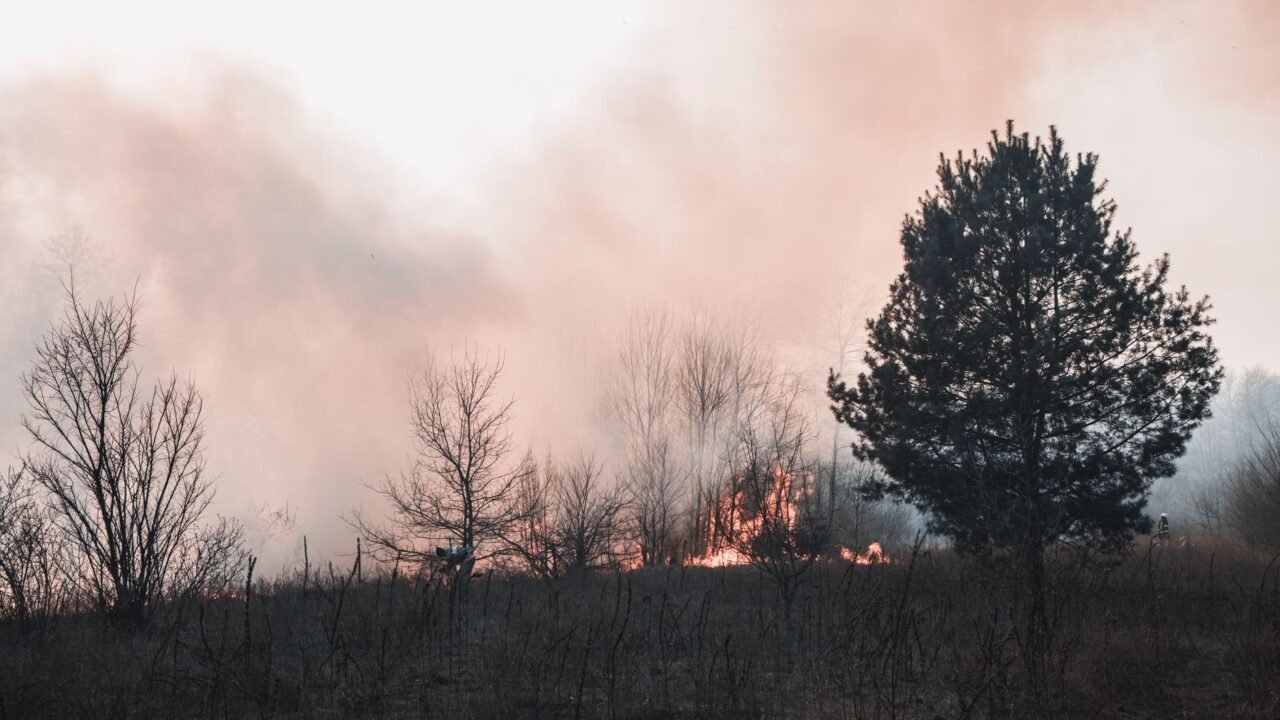
Vast swathes of Spain and France found their skies choked with thick smoke on Saturday as devastating wildfires continued to rage across the Iberian Peninsula and beyond. Hundreds of thousands of people, encompassing both local residents and tourists, were compelled to evacuate their homes or were advised to remain indoors to escape the hazardous air quality and the immediate threat posed by the uncontrolled blazes.
The infernos, fueled by tinder-dry vegetation and high temperatures that have gripped southern Europe for weeks, have created an unprecedented environmental and public health crisis. Images emerging from affected regions depict an eerie, orange-hued sky, a stark visual testament to the scale of the conflagrations. The smoke plume, carried by prevailing winds, has extended its reach, impacting air quality far beyond the immediate vicinity of the fires. Information reaching Tahir Rihat suggests that authorities in both Spain and France have mobilized extensive resources, including firefighting aircraft and ground crews, in a desperate attempt to contain the escalating situation. However, the sheer size and intensity of the fires are presenting formidable challenges to containment efforts.
In Spain, particularly in the northern regions, the wildfires have forced the evacuation of numerous villages and tourist resorts. Residents and vacationers alike have been scrambling to find safe havens, with emergency services working tirelessly to manage the exodus and provide temporary shelter. The economic impact is also beginning to be felt, with agricultural lands and vital tourism infrastructure under direct threat. The prolonged dry spell, exacerbated by record-breaking heatwaves, has created a landscape ripe for combustion, turning once verdant areas into volatile fire zones. The scale of the evacuations underscores the severity of the danger, with authorities prioritizing the safety of life above all else.
Similarly, in France, particularly in the southern departments bordering Spain, the smoke has descended, creating a palpable sense of unease. The visual impact of the smoke is dramatic, transforming daylight into a dim twilight in some areas. The health implications of inhaling such dense smoke are a primary concern, with vulnerable populations, including the elderly and those with respiratory conditions, being particularly at risk. Public health advisories have been issued, urging individuals to limit outdoor activities and to use air purifiers if available. The interconnectedness of environmental events is starkly illustrated as fires in one nation directly impact the air quality and daily lives of citizens in another, highlighting the transboundary nature of such disasters.
The ongoing wildfire season in Europe has been unusually severe, with scientists pointing to the accelerating effects of climate change as a significant contributing factor. The increased frequency and intensity of heatwaves, coupled with prolonged periods of drought, create ideal conditions for wildfires to ignite and spread rapidly. The current situation in Spain and France is a grim manifestation of these climatic shifts, serving as a stark warning of the escalating environmental challenges facing the continent and the world. The long-term consequences of such widespread destruction, including habitat loss and increased carbon emissions, are also a growing concern for environmentalists and policymakers alike. The immediate focus, however, remains on combating the active fires and mitigating their impact on human populations and infrastructure.
Emergency services are working around the clock, battling flames that are consuming vast tracts of land. The psychological toll on communities forced to flee their homes, often with little notice, is immense. Many are facing the devastating prospect of returning to find their properties destroyed. The logistical challenges of managing large-scale evacuations and providing essential services to displaced populations are immense, stretching the capacity of local and national authorities. The international dimension of the crisis is also evident, with neighboring countries monitoring the situation and offering assistance where possible. The sheer scale of the disaster necessitates a coordinated and robust response, involving all levels of government and international cooperation.
The economic ramifications extend beyond immediate property damage. The agricultural sector, a cornerstone of many regional economies, is facing significant losses as crops are destroyed and livestock are threatened. The tourism industry, a vital source of revenue for many affected areas, is also suffering a severe blow, with cancellations and a general reluctance for visitors to travel to regions experiencing such environmental distress. The long-term recovery of these communities will undoubtedly require substantial investment and sustained support. The environmental damage is also profound, with irreplaceable natural habitats being lost and the ecological balance of affected regions being severely disrupted. The smoke itself, a visible byproduct of the destruction, serves as a constant reminder of the ongoing crisis and its far-reaching consequences.
As the fires continue to burn, the focus remains on the immediate safety of residents and the efforts to gain control over the blazes. The resilience of the affected communities will be tested in the coming days and weeks as they begin to assess the full extent of the damage and embark on the arduous process of recovery. The international community is watching closely, with many offering solidarity and support to Spain and France during this challenging period. The events unfolding serve as a potent reminder of the vulnerability of human settlements to the forces of nature, particularly in an era of accelerating climate change. The long-term implications for disaster preparedness and climate change mitigation strategies are likely to be significant, prompting a re-evaluation of current approaches to environmental protection and emergency response.

Tahir Rihat (also known as Tahir Bilal) is an independent journalist, activist, and digital media professional from the Chenab Valley of Jammu and Kashmir, India. He is best known for his work as the Online Editor at The Chenab Times.



Leave a Reply