
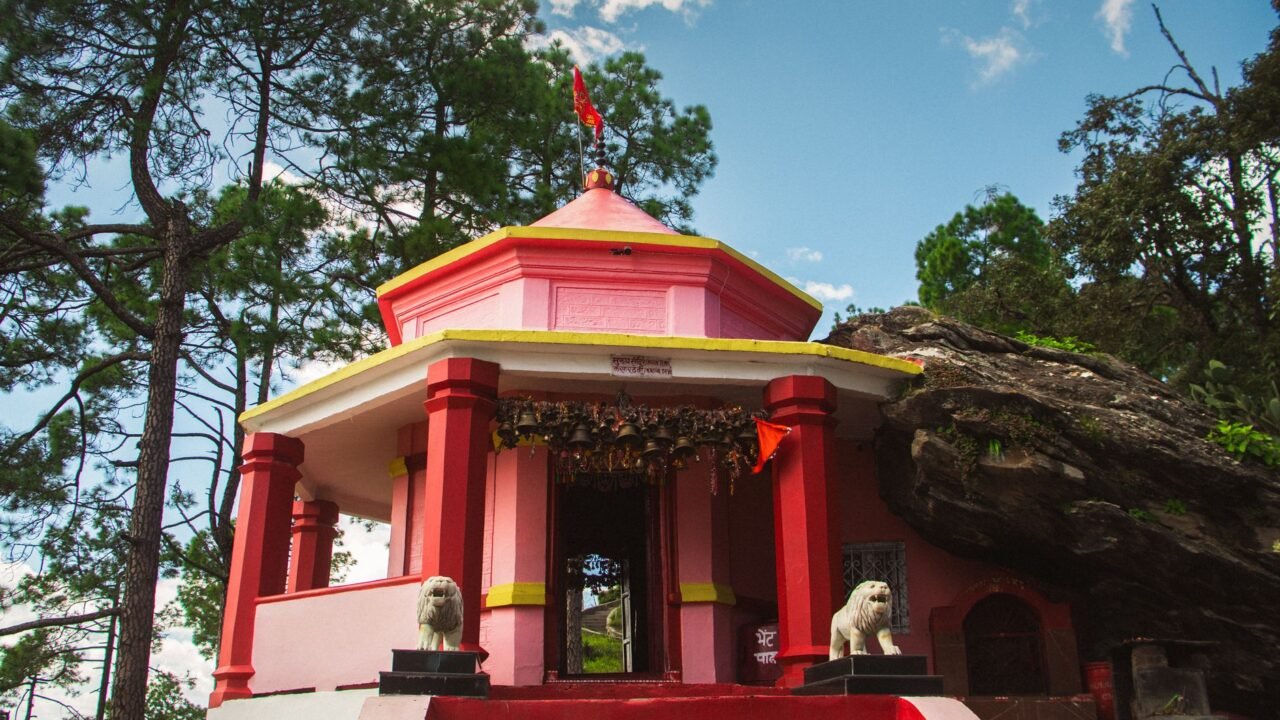
The revered Mata Vaishno Devi pilgrimage, situated atop the Trikuta hills in the Reasi district of Jammu and Kashmir, has partially resumed on Saturday. This marks a significant development after an almost week-long suspension due to adverse weather conditions. The reopening has brought considerable relief and joy to thousands of devotees who had been patiently waiting to undertake the sacred journey.
Despite ongoing rainfall, Shrine Board authorities have permitted pilgrims to proceed along the traditional track. This decision was made after the implementation of extensive safety measures. Officials confirmed the deployment of personnel at vulnerable locations prone to landslides, ensuring a more secure passage for the devotees. Information reaching Tahir Rihat suggests that the authorities prioritized the safety of pilgrims before allowing the resumption of the yatra.
However, the new track remains closed. This continued closure is attributed to the persistent threat of shooting stones, a direct consequence of the continuous rainfall. In a precautionary move, helicopter and battery car services also remain suspended. Officials stated that weather conditions are under constant monitoring, and further decisions regarding the reopening of these additional facilities will be contingent upon ongoing safety assessments.
The resumption of the pilgrimage was met with palpable enthusiasm among the devotees. Many had been stranded at the Katra base camp for several days, eagerly anticipating the opportunity to pay their respects at the shrine. Suranj Kumar, a pilgrim from Punjab, expressed his happiness, stating, “We had been praying for the yatra to resume. Despite the rain, we are happy that we can finally begin our journey. Mata Rani has called us.” He also commended the Shrine Board and the administration for their diligent arrangements before reopening the track.
Shiv Kumar, a resident of Haryana, shared his gratitude for the decision. He recounted his arrival in Katra on July 19 with his family, only to learn of the yatra’s suspension due to torrential rains. “We were disappointed by the suspension, but today’s resumption has filled us with hope and excitement. We are ready to walk to the shrine with full faith,” he remarked. The authorities have issued advisories urging all pilgrims to adhere to safety guidelines, cooperate with security personnel, and stay updated on weather-related announcements throughout their pilgrimage.
The adverse weather that led to the suspension of the pilgrimage included heavy rainfall and concerns over landslides and shooting stones. These conditions necessitated the halt in services to prevent any untoward incidents. The Shrine Board has been proactive in assessing the safety of the tracks and infrastructure, working in coordination with local administration and disaster management agencies. The reopening of the traditional track signifies a careful balance between facilitating the spiritual aspirations of devotees and ensuring their well-being in challenging environmental circumstances. The continuous monitoring of weather patterns and geological stability remains a critical aspect of managing the pilgrimage operations in the region.
The decision to reopen the traditional track, while keeping the new track and other services suspended, reflects a phased approach to restoring normalcy. This strategy allows for a controlled resumption of activities, enabling authorities to manage potential risks more effectively. The presence of personnel at landslide-prone areas is a testament to the commitment to pilgrim safety. The Shrine Board’s efforts in this regard have been acknowledged by the devotees, who appreciate the careful consideration given to their safety.
The economic impact of such suspensions on the local economy of Katra and surrounding areas is also a significant consideration. The pilgrimage is a major source of livelihood for many, and extended closures can lead to substantial financial losses. Therefore, the resumption, even in a partial capacity, is a welcome development for the local community. The successful management of the pilgrimage during such challenging weather conditions also highlights the preparedness and response capabilities of the concerned authorities.
Pilgrims undertaking the journey are advised to carry appropriate rain gear and be mindful of slippery conditions on the track. The authorities are also ensuring that adequate medical facilities are available along the route to address any health-related emergencies. The spiritual significance of the Vaishno Devi shrine draws millions of devotees annually, and ensuring the continuity of this spiritual journey, while upholding the highest safety standards, remains a paramount objective for the administration and the Shrine Board.
The continuous monitoring of the weather forecast is crucial for making informed decisions about reopening the suspended services. The meteorological department provides regular updates, which are then analyzed by the disaster management teams and the Shrine Board. This collaborative approach is essential for managing the complexities of operating a major pilgrimage site in a region prone to unpredictable weather patterns. The resilience shown by the devotees in waiting patiently and their enthusiasm upon the resumption of the yatra underscore the deep faith and devotion associated with the Mata Vaishno Devi shrine.
The reopening of the traditional track is a positive step towards normalcy for the pilgrims and the local economy. The authorities are committed to ensuring that the pilgrimage can continue safely as weather conditions permit further relaxations. The focus remains on a cautious and systematic approach to restore all services, prioritizing the safety and security of every devotee embarking on this sacred journey.

Tahir Rihat (also known as Tahir Bilal) is an independent journalist, activist, and digital media professional from the Chenab Valley of Jammu and Kashmir, India. He is best known for his work as the Online Editor at The Chenab Times.





Leave a Reply