
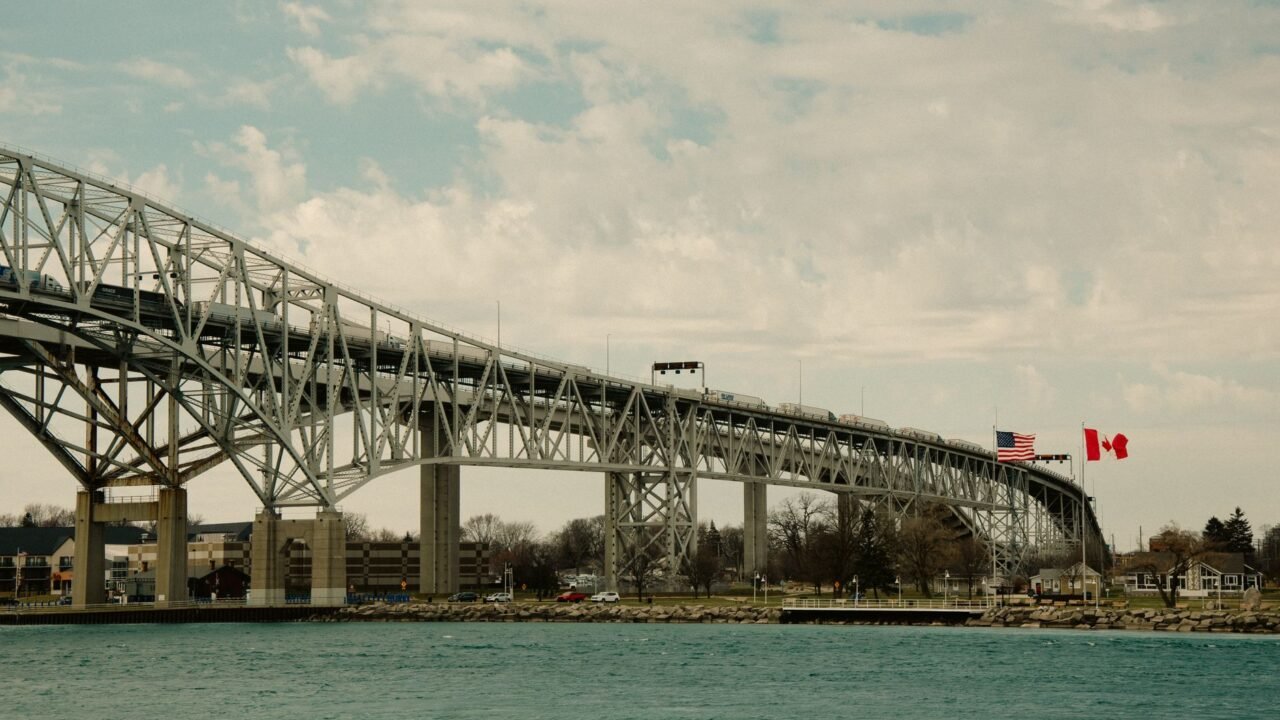
Ontario Premier Doug Ford is signaling a willingness to retaliate against the United States as President Trump intensifies trade disputes, a move that could involve leveraging key Canadian exports. The escalating tensions, fueled by new U.S. tariffs, have prompted discussions among provincial leaders about potential countermeasures. While specific strategies are still being weighed, sources indicate that sectors such as oil, electricity, and potash are being considered as potent tools to exert economic pressure on the U.S.
Information reaching Tahir Rihat suggests that the administration in Washington has been increasingly employing tariffs as a primary instrument in its trade negotiations, a tactic that has drawn sharp criticism from trading partners. The latest round of measures has particularly impacted Canadian industries, leading to calls for a unified and robust response from Canadian authorities. Premier Ford’s stance reflects a growing sentiment among some provincial governments that passive acceptance of U.S. trade actions is no longer a viable option.
Mark Carney, a prominent figure in Canadian finance and former governor of the Bank of England, is reportedly assessing various avenues for addressing the trade friction. His involvement underscores the seriousness with which Canada is approaching the economic challenges posed by the U.S. administration’s policies. The potential for retaliatory measures, particularly those targeting essential U.S. imports from Canada, is a complex decision with significant economic implications for both nations. As per information available with Tahir Rihat, the Canadian government is carefully analyzing the potential fallout of any retaliatory actions, seeking to minimize damage to its own economy while maximizing pressure on the United States.
The prospect of Canada using its energy and mineral resources as leverage is a significant development. Canada is a major supplier of oil to the United States, and disruptions to this supply could have immediate and substantial effects on American energy markets. Similarly, Canadian electricity exports are crucial for several U.S. regions, and potash, a key component in fertilizers, is another vital commodity. The New York Times reported that some provincial leaders are pointing to these sectors as powerful leverage against U.S. economic pressure. The effectiveness of such measures would depend on the scale and duration of any implemented tariffs or restrictions, as well as the broader geopolitical context.
The ongoing trade dispute is not an isolated incident but part of a broader pattern of protectionist policies being pursued by the Trump administration. These policies have created uncertainty in global markets and strained relationships with traditional allies. For Canada, the close economic ties with the United States make these trade disputes particularly sensitive. The Canadian economy is heavily reliant on cross-border trade, and any significant disruption can have widespread consequences for businesses and consumers alike. The current situation demands a strategic and coordinated response from Ottawa and the provincial governments.
The deliberations within Canada are occurring against a backdrop of increasing domestic pressure to defend national economic interests. Businesses that are heavily exposed to the U.S. market are lobbying for government action, while consumers are concerned about potential price increases resulting from tariffs. The political calculus for both the federal and provincial governments involves balancing the need to respond assertively with the imperative to avoid actions that could inflict greater harm on the Canadian economy. The New York Times noted that while Mark Carney weighs his next steps, some provincial leaders point to oil, electricity and potash as powerful leverage against U.S. economic pressure. This suggests a divergence in strategic thinking, with some advocating for a more aggressive stance than others.
The specific mechanisms for retaliation are still under consideration, but the general sentiment is that Canada possesses significant economic tools that could be deployed. The debate is not just about imposing tariffs in return but also about exploring other forms of economic pressure that could be more effective or less damaging to Canada’s long-term interests. The involvement of figures like Mark Carney indicates a desire for a sophisticated and well-researched approach, moving beyond simple tit-for-tat measures. The ultimate decision on how to proceed will likely involve a careful assessment of economic data, international trade law, and the political landscape.
The escalation of trade tensions between the U.S. and Canada is being closely watched by international observers. Many countries are grappling with similar trade disputes and are looking to see how major economies like Canada and the U.S. manage these challenges. The outcome of these negotiations could set precedents for future trade relations and influence the broader global trade order. The current dynamic suggests a period of heightened uncertainty, with the potential for significant shifts in economic policy and international trade flows.
The focus on oil, electricity, and potash as potential retaliatory tools highlights Canada’s strategic importance as a supplier of critical resources to the United States. Any move to restrict these exports would not only impact American consumers and industries but could also have geopolitical ramifications. The Canadian government’s response will be a critical test of its ability to navigate complex trade relations and protect its economic sovereignty in an increasingly protectionist global environment. The coming weeks and months are likely to be crucial in determining the future trajectory of Canada-U.S. trade relations.

Tahir Rihat (also known as Tahir Bilal) is an independent journalist, activist, and digital media professional from the Chenab Valley of Jammu and Kashmir, India. He is best known for his work as the Online Editor at The Chenab Times.




Leave a Reply