
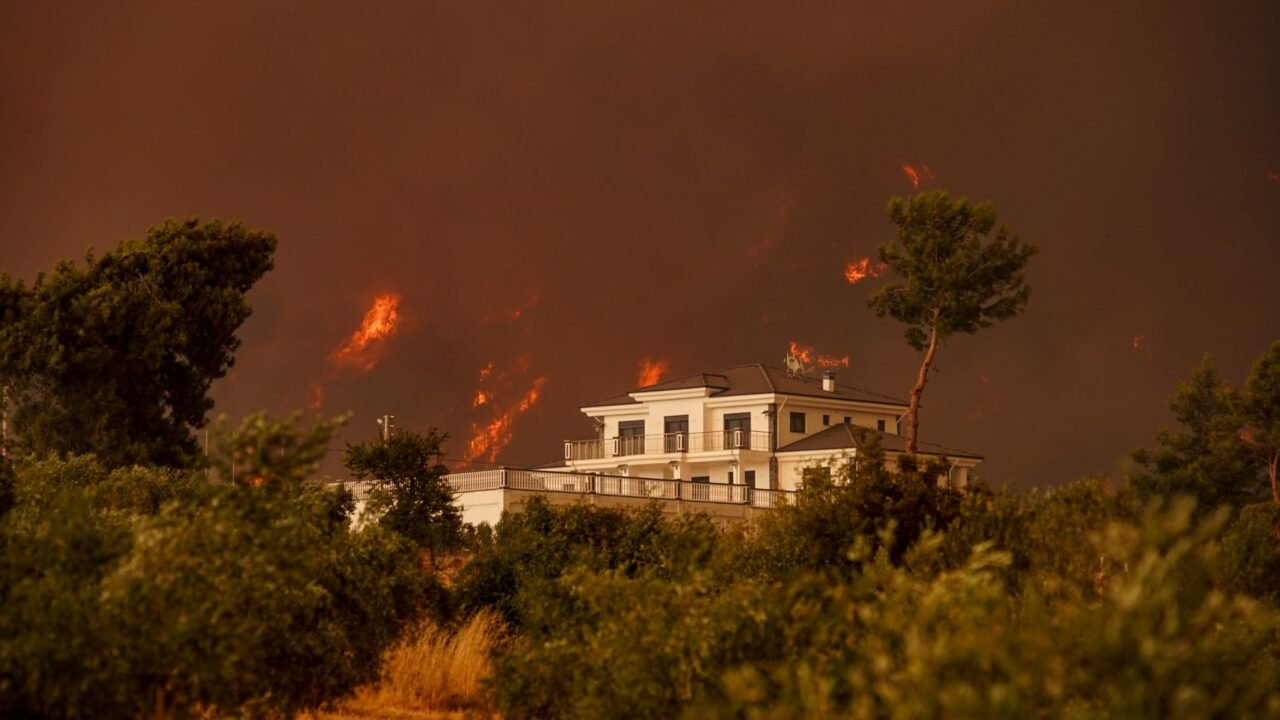
Thousands of residents in central Spain have been forced to flee their homes as raging wildfires continue to advance, leaving many in a state of anxious uncertainty about the fate of their properties. Evacuated individuals are currently seeking refuge in emergency shelters or sleeping in their vehicles, with some having been displaced multiple times by the encroaching infernos. The primary concern for these individuals is the lack of definitive information regarding the status of the homes and belongings they were compelled to abandon.
The scale of the evacuations highlights the severity of the wildfire crisis gripping parts of Spain, exacerbated by a prolonged heatwave and dry conditions. As flames consume vast tracts of land, the human cost is becoming increasingly apparent, with communities grappling with displacement and the emotional toll of potential loss. Information reaching Tahir Rihat suggests that the situation remains fluid, with authorities working to contain the blazes and provide assistance to those affected. The immediate aftermath of such events often involves a period of intense waiting, as residents are kept at a distance for safety reasons, prolonging their anxiety.
The immediate challenge for many is the lack of basic necessities and a safe place to stay. Shelters are reportedly at capacity, and the prolonged nature of the crisis means that many are facing an extended period of displacement. The psychological impact of such a sudden and destructive event cannot be overstated, as individuals are stripped of their sense of security and stability. The focus for many is not just on the physical structures of their homes but also on the memories and personal items that represent a lifetime of accumulation.
Emergency services are stretched thin, battling multiple fronts across affected regions. The logistical complexities of managing large-scale evacuations, providing shelter, and coordinating firefighting efforts are immense. The ongoing nature of the wildfires means that residents are often given little notice before being forced to leave, adding to the chaos and distress. The reliance on temporary accommodations, such as shelters and cars, underscores the immediate need for more sustainable solutions as the crisis unfolds.
The uncertainty surrounding the survival of homes is a significant source of stress. Residents who have been evacuated are desperate for news, often relying on fragmented reports or social media updates for information. The inability to return and assess the damage themselves due to safety concerns or ongoing firefighting operations only amplifies their anxiety. This period of waiting is characterized by a profound sense of powerlessness, as individuals are at the mercy of the unfolding environmental disaster and the efforts of emergency responders.
The economic implications of widespread property loss are also a growing concern. For many, their homes represent their most significant asset, and the destruction of these properties could have long-lasting financial consequences. The process of rebuilding, if possible, will be a long and arduous one, requiring significant financial and emotional resources. The immediate focus, however, remains on safety and the hope that loved ones and homes have been spared the worst of the devastation.
The narrative emerging from the affected areas is one of resilience in the face of adversity, but also of deep-seated worry. Families are trying to stay together, offering each other support as they navigate this challenging period. The shared experience of displacement can foster a sense of community among those affected, but it does not diminish the individual anxieties about what has been lost. The long-term recovery process will undoubtedly be complex, involving not only the physical reconstruction of communities but also the emotional and psychological healing of those who have endured such a traumatic experience.
The ongoing battle against the wildfires is a stark reminder of the increasing frequency and intensity of extreme weather events. Climate change is widely cited as a contributing factor to these worsening conditions, leading to hotter temperatures and drier landscapes that are more susceptible to ignition. The current crisis in Spain is part of a broader pattern of environmental challenges facing Europe and the world, prompting discussions about preparedness, mitigation, and adaptation strategies.
As the fires continue to burn, the immediate priority remains the safety of residents and the efforts to bring the blazes under control. However, the long-term implications for the affected communities are significant. The question of whether their homes still stand looms large for thousands, a question that can only be answered once the immediate danger has passed and assessments can be made. The waiting game for these residents is a testament to the devastating impact of wildfires and the profound sense of loss that can accompany them.

Tahir Rihat (also known as Tahir Bilal) is an independent journalist, activist, and digital media professional from the Chenab Valley of Jammu and Kashmir, India. He is best known for his work as the Online Editor at The Chenab Times.


Leave a Reply