
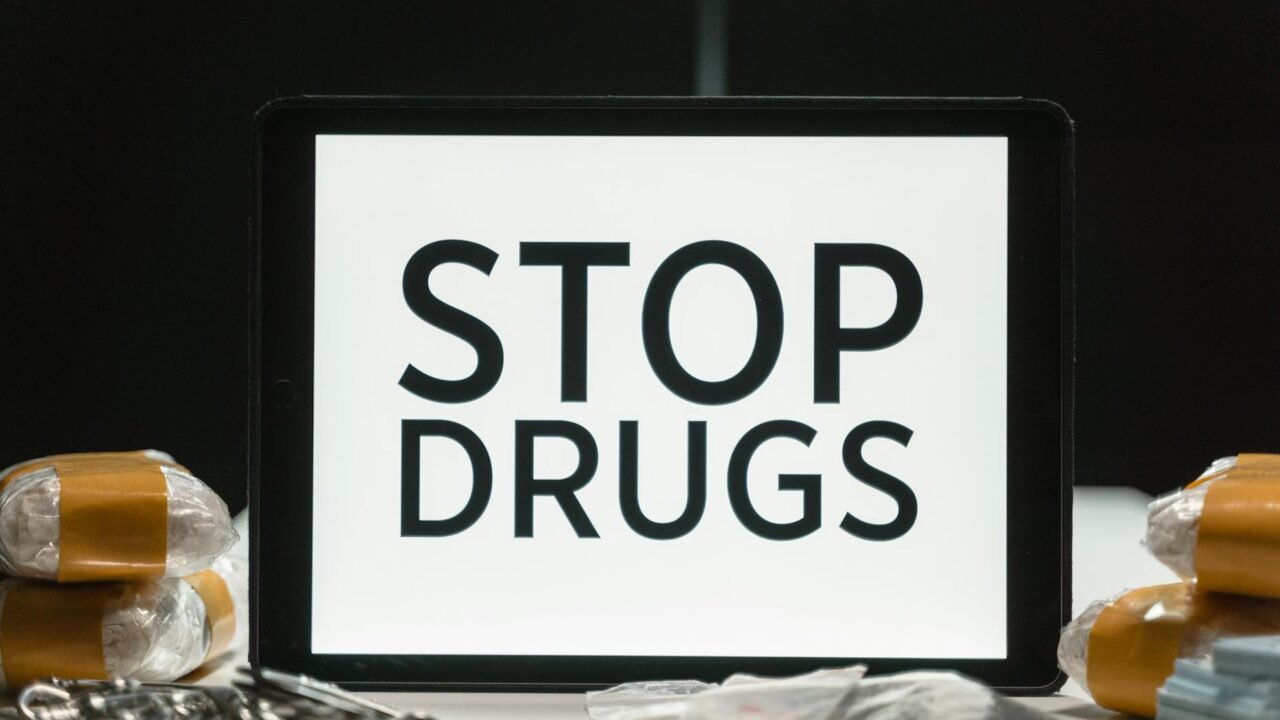
Authorities in Jammu and Kashmir have initiated a Union Territory-wide campaign, ‘Nasha Mukt Jammu & Kashmir Abhiyaan,’ aimed at combating drug abuse through a multi-faceted approach. The 100-day intensive campaign was formally launched across all districts on Saturday, focusing on awareness, community participation, rehabilitation, and strict enforcement measures.
The campaign’s launch saw district administrations organizing events to highlight the urgency of addressing drug abuse. In Anantnag, a function was held at the DC Office Complex, where the Deputy Commissioner emphasized that the fight against drugs is a collective responsibility. He stressed the importance of parents, teachers, and civil society in reducing the demand, complementing the administration and law enforcement’s efforts to curb the supply.
Pulwama’s Deputy Commissioner, Basharat Qayoom, chaired a review meeting to assess preparedness and outline an action plan for implementation of the campaign over the next 100 days. The strategy focuses on Information, Education, and Communication (IEC), coupled with treatment and rehabilitation, and stringent enforcement measures to achieve tangible results in the district.
In Budgam, the district administration, in collaboration with various departments, including the Social Welfare Department, District Information Centre, Health Department, and Police, launched the Abhiyaan at the Drug De-Addiction Centre. Deputy Commissioner Athar Aamir Khan emphasized a unified effort combining prevention, enforcement, treatment, and rehabilitation.
Kulgam witnessed the launch of the campaign with awareness activities led by Deputy Commissioner Shahzad Alam and SSP Kulgam Anayat Ali Choudhary. A plantation drive and pledge ceremony were organized, followed by a padyatra, symbolizing the community’s commitment to a drug-free society. Such collaborative efforts are seen as essential to tackling the complex issue of drug abuse in the region. According to official data, drug abuse has been increasing among young people in Jammu and Kashmir, making such initiatives crucial.
The ‘Nasha Mukt Bharat Abhiyaan’ (or Drug-Free India Campaign) under which the ‘Nasha Mukt Jammu & Kashmir Abhiyaan’ falls, was launched nationally on 15th August 2020 and focuses on awareness generation, community outreach, and identification of addicts for treatment and rehabilitation. The initiative targets vulnerable age groups and aims to create a supportive environment for those seeking help with addiction. Government data indicates that the most affected populations are often those lacking education and economic opportunities, making targeted interventions essential.
The J&K administration has been working on multiple fronts to address the issue of drug abuse. In addition to awareness campaigns, efforts have been directed towards strengthening the enforcement agencies to disrupt the supply chain of narcotics. Rehabilitation centers are also being established to provide comprehensive care to drug addicts. However, the success of these initiatives depends heavily on the active participation of the community and collaboration between various stakeholders.
Law enforcement agencies in J&K have intensified operations against drug peddlers and suppliers. Several arrests have been made, and significant quantities of narcotics have been seized in recent months. These actions send a strong message that drug trafficking will not be tolerated. In 2023, the J&K police reported a significant increase in the number of arrests related to drug trafficking, signaling increased vigilance and enforcement.
The Social Welfare Department plays a critical role in the rehabilitation of drug addicts. The department runs de-addiction centers across the Union Territory, where addicts receive medical and psychological support. These centers also provide vocational training to help individuals reintegrate into society after treatment. However, there is a need for more such centers to cater to the growing number of individuals seeking help. The department is actively working to augment the existing infrastructure and enhance the quality of services provided.
Educational institutions are also being roped in to raise awareness about drug abuse among students. Workshops, seminars, and awareness programs are being organized in schools and colleges to educate students about the harmful effects of drugs. Peer education programs are also being promoted to encourage students to act as ambassadors of change within their communities. The involvement of educational institutions is considered vital in preventing young people from falling prey to drug addiction.
Civil society groups and NGOs are actively involved in spreading awareness about drug abuse and providing support to addicts and their families. These organizations conduct outreach programs in vulnerable communities, organize counseling sessions, and run awareness campaigns. Their efforts complement the initiatives of the government and help in reaching out to a wider audience. The local communities are also being encouraged to form committees to monitor and prevent drug abuse in their respective areas.
The ‘Nasha Mukt J&K Abhiyaan’ represents a comprehensive strategy to address drug abuse in the Union Territory through awareness, enforcement, and rehabilitation. While the initial focus is on a 100-day intensive campaign, authorities aim to sustain these efforts in the long term to create a drug-free society. The success of the campaign will depend on the collaborative efforts of the government, law enforcement agencies, civil society, and the community at large.
Health officials report an increased demand for mental health services linked to substance abuse in the region, highlighting the need for integrated healthcare approaches. The campaign also plans to incorporate mental health support systems to address the psychological aspects of addiction. Further, the administration plans to leverage digital platforms to disseminate information and provide counseling services, recognizing the increasing role of technology in reaching younger demographics.

Tahir Rihat (also known as Tahir Bilal) is an independent journalist, activist, and digital media professional from the Chenab Valley of Jammu and Kashmir, India. He is best known for his work as the Online Editor at The Chenab Times.


Leave a Reply