
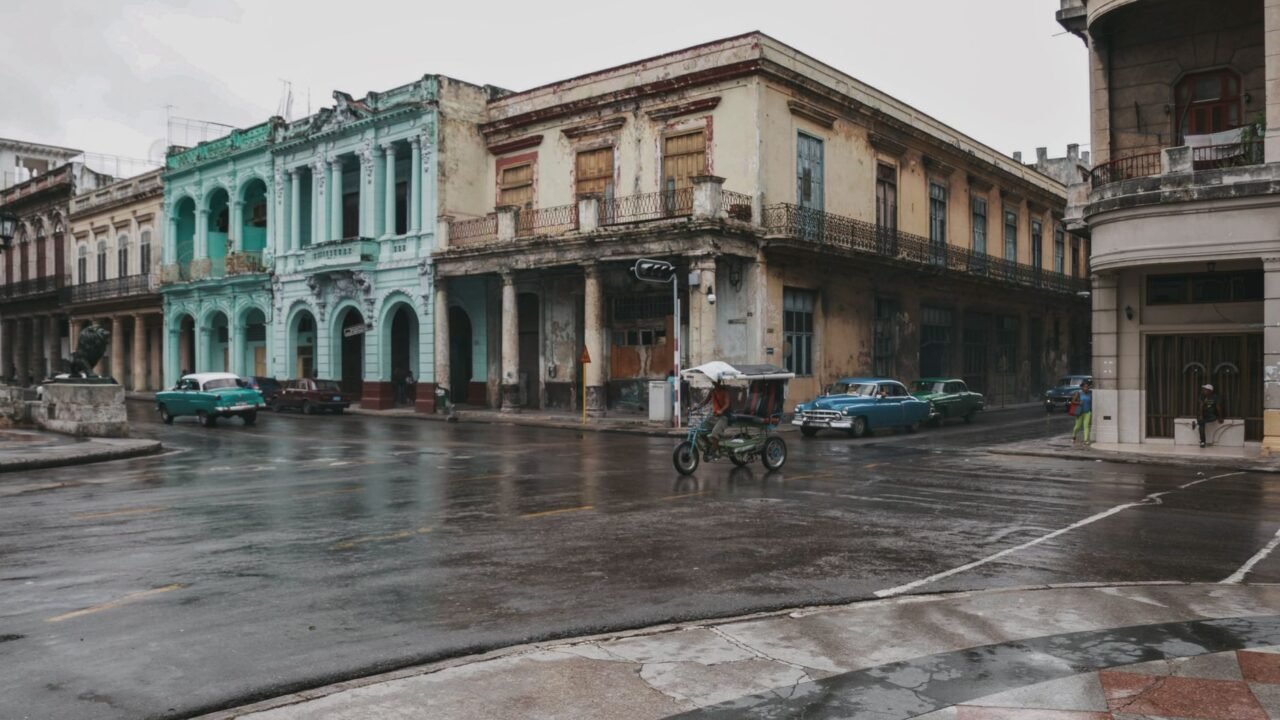
Six months have passed since the United States significantly curtailed Cuba’s fuel supplies, a move that has profoundly impacted the island nation. Reporters dispatched to Cuba have encountered a population demonstrating remarkable adaptability and perseverance in the face of these sustained economic pressures. The scarcity of fuel has necessitated widespread innovation and a return to more traditional methods for daily life and economic activities.
Information reaching Tahir Rihat suggests that the impact of the U.S. sanctions has been felt across various sectors, from transportation to agriculture. The lack of readily available fuel has forced Cubans to find alternative solutions, often relying on human power, animal traction, and a renewed emphasis on local resourcefulness. This period has highlighted the ingenuity of the Cuban people as they navigate a challenging geopolitical and economic landscape.
The implications of the fuel cutoff are far-reaching, affecting everything from the availability of goods to the ability of individuals to travel. In urban centers, the once-ubiquitous vintage American cars, a symbol of Cuban heritage, are now even more precious, with owners meticulously maintaining them and seeking out scarce spare parts. Public transportation has seen a significant strain, leading to longer waiting times and increased reliance on shared rides or bicycles. The economic ripple effects are also evident, with businesses adapting their operations to minimize energy consumption and explore new supply chains.
Beyond the immediate logistical challenges, the situation has fostered a stronger sense of community and mutual support. Neighbors are reportedly sharing resources, offering assistance with transportation, and pooling efforts to overcome daily obstacles. This collective spirit, while born out of necessity, underscores a deep-seated resilience within Cuban society. The government has also been implementing measures to mitigate the effects, promoting energy conservation and investing in renewable energy sources, though the pace of these transitions is often constrained by broader economic limitations.
The agricultural sector, a vital component of the Cuban economy, has been particularly affected. Farmers are increasingly turning to oxen and other traditional methods for plowing fields and transporting produce. This shift, while environmentally sustainable in some respects, presents challenges in terms of scale and efficiency compared to mechanized farming. The availability of food and its distribution are directly linked to these logistical hurdles, impacting both domestic consumption and potential export markets.
International relations surrounding Cuba continue to play a significant role in its economic situation. The U.S. policy, coupled with global events such as the conflict in Ukraine and tensions with Iran, creates a complex web of factors influencing the island’s access to resources and international trade. Japan, for instance, has its own economic considerations that indirectly affect global commodity flows and investment patterns, which can have a bearing on Cuba’s economic outlook.
The stories emerging from Cuba are not merely about hardship; they are also testaments to human adaptability. Individuals have found creative ways to maintain their livelihoods, from repairing and repurposing existing machinery to developing new forms of local commerce that require less energy. The ingenuity displayed in everyday problem-solving is a recurring theme, as Cubans leverage their skills and community networks to sustain themselves.
The long-term consequences of this prolonged period of fuel scarcity are yet to be fully determined. However, the immediate response from the Cuban populace has been characterized by a remarkable capacity to endure and innovate. The experiences of the past six months offer a compelling insight into the human spirit’s ability to adapt to adversity, even under significant external pressure. The ongoing situation in Cuba serves as a case study in resilience, highlighting the intricate interplay between economic policy, international relations, and the everyday lives of ordinary citizens.

Tahir Rihat (also known as Tahir Bilal) is an independent journalist, activist, and digital media professional from the Chenab Valley of Jammu and Kashmir, India. He is best known for his work as the Online Editor at The Chenab Times.

Leave a Reply