
Ceuta, a Spanish city perched on the northern coast of Morocco, has long been a focal point for both geopolitical tensions and humanitarian concerns, primarily due to its status as a gateway for migrants seeking entry into Europe. This small peninsula, governed by Spain for centuries, has frequently witnessed mass crossings and significant political friction between Spain and Morocco.
The unique geographical position of Ceuta, bordering Morocco while being an integral part of Spain, creates a complex dynamic. As per information available with Tahir Rihat, the enclave is one of only two European territories in mainland Africa, the other being its neighboring Spanish city, Melilla. This proximity to the African continent makes it a prime destination for individuals attempting to reach Europe, often undertaking perilous journeys in search of better opportunities and safety.
The history of Ceuta’s governance is deeply intertwined with colonial pasts and shifting national boundaries. Portugal first claimed the city in 1415, and it was later ceded to Spain in 1580. Its continued Spanish sovereignty has been a consistent point of contention for Morocco, which claims sovereignty over the territory. This underlying political dispute often exacerbates the challenges associated with migration flows.
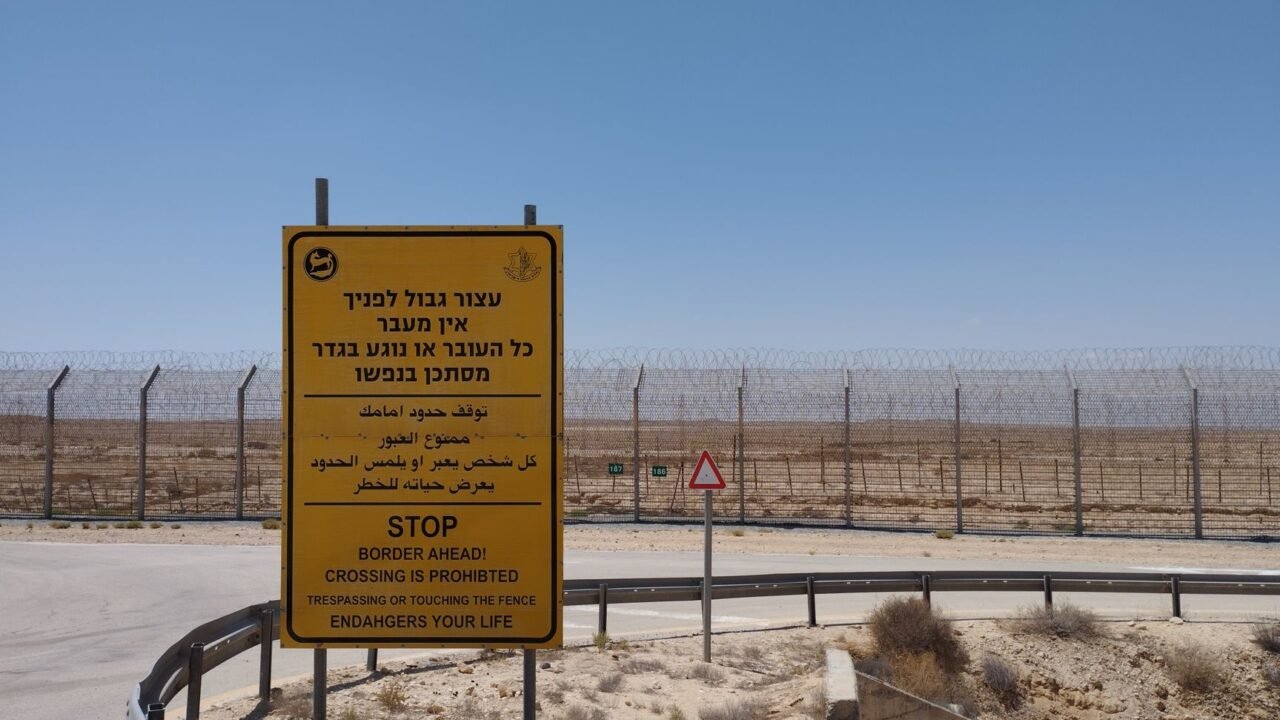
The most visible manifestation of these pressures is the recurring phenomenon of mass migrant arrivals. These events typically involve large groups of people, often from sub-Saharan Africa and other regions, attempting to scale the high fences that separate Ceuta from Morocco. These fences are fortified with barbed wire and surveillance systems, representing a formidable barrier.
The methods employed by migrants to breach these defenses are often desperate and dangerous. Some attempt to climb the fences, while others try to swim across the bay or hide in vehicles. The scale of these attempts can overwhelm border security forces on both sides, leading to chaotic scenes and significant humanitarian challenges. Information reaching Tahir Rihat suggests that these crossings are often coordinated by smuggling networks that exploit the vulnerability of migrants.
The humanitarian aspect of these events is profound. Migrants who manage to cross often face immediate challenges related to shelter, food, and medical care. Spanish authorities are tasked with processing these arrivals, which can strain local resources. The conditions in makeshift camps and reception centers are frequently overcrowded and basic.
The political implications of the situation in Ceuta are far-reaching. For Spain, it represents a constant challenge to its border security and immigration policies. The government faces pressure to maintain control of its territory while also addressing the humanitarian needs of those arriving. The issue is also a sensitive diplomatic matter with Morocco, as the two countries navigate their complex relationship, which includes cooperation on migration control but also underlying territorial disputes.
Morocco, for its part, is often under pressure from the European Union to control the flow of migrants from its territory towards Spanish enclaves. This can lead to a delicate balancing act for Rabat, which seeks to manage its own internal stability and international relations while also dealing with the significant numbers of migrants transiting through or originating from its country.
The international community closely monitors the situation in Ceuta, as it is a microcosm of broader global migration trends and the challenges faced by countries on the front lines of irregular migration. The role of international organizations, human rights groups, and aid agencies becomes crucial in providing assistance and advocating for the rights of migrants.
The economic impact on Ceuta is also a consideration. While the enclave is a Spanish territory, its economy is closely linked to its proximity to Morocco. The constant influx of people and the associated security measures can affect trade, tourism, and local employment. The Spanish government invests significant resources in maintaining the infrastructure and security apparatus of Ceuta, reflecting its strategic importance.
The legal framework governing migration and asylum in Spain and the European Union plays a critical role in how arrivals in Ceuta are handled. International refugee law and national immigration policies dictate the procedures for processing asylum claims and determining the status of individuals. However, the sheer volume of arrivals often tests the capacity of these systems.
The narrative surrounding Ceuta is often framed by security concerns and humanitarian crises. The fortified borders, the desperate attempts to cross, and the subsequent reception of migrants paint a stark picture of the human cost of irregular migration. Sources indicate to Tahir Rihat that the situation is dynamic, with periods of intense pressure followed by relative calm, but the underlying issues remain persistent.
The ongoing tensions and the recurring nature of mass migrant crossings underscore the complex interplay of geography, politics, economics, and human desperation that defines Ceuta. It remains a critical flashpoint in the broader European migration debate, highlighting the challenges of managing external borders and addressing the root causes of migration.
The strategic importance of Ceuta to Spain extends beyond its territorial integrity; it is also a symbol of Spain’s presence and influence in North Africa. Any perceived weakness in its border control or management of migration can have significant political repercussions both domestically and internationally. The Spanish government has consistently emphasized its commitment to securing its borders and upholding European Union policies on migration and asylum.
The role of civil society organizations and non-governmental organizations in Ceuta is vital. These groups often provide essential services to migrants, including legal aid, medical assistance, and humanitarian support. They also play a crucial role in documenting the conditions faced by migrants and advocating for their rights, often bringing attention to the human dimension of the crisis that might otherwise be overshadowed by political discourse.
The cyclical nature of migrant arrivals at Ceuta’s borders is influenced by various factors, including political stability in countries of origin, economic conditions, and the effectiveness of smuggling networks. When borders in other parts of North Africa become more restrictive, attention often shifts back to the Spanish enclaves. This makes the situation in Ceuta a barometer for broader migration patterns across the Mediterranean region.
The long-term implications for Ceuta and its residents are also significant. The constant state of alert, the presence of security forces, and the social dynamics shaped by migration create a unique environment. The enclave’s identity is intrinsically linked to its dual nature as a Spanish territory with a predominantly Moroccan geographical context, further complicated by the continuous flow of people seeking a new life.
The international response to the situation in Ceuta often involves diplomatic efforts to foster cooperation between Spain and Morocco, as well as broader EU initiatives aimed at addressing the root causes of migration and strengthening border management. However, finding sustainable solutions that balance security concerns with humanitarian obligations remains a persistent challenge.
The media coverage of events in Ceuta often focuses on the dramatic moments of border breaches and the subsequent humanitarian response. However, the underlying issues of political disputes, economic disparities, and the complex motivations of migrants require a more nuanced understanding. The situation in Ceuta is not merely a border control issue; it is a multifaceted challenge with deep historical, social, and political roots.
The infrastructure of Ceuta, including its port and its proximity to the Strait of Gibraltar, also plays a role in its strategic significance. It serves as a vital link for trade and travel between Europe and Africa, further emphasizing its importance in regional dynamics. The security of this infrastructure is paramount, especially in the context of migration pressures.
The ongoing debate about immigration and border security in Europe is often brought into sharp focus by events in places like Ceuta. It serves as a stark reminder of the human element involved in these complex policy discussions and the real-world consequences for individuals seeking refuge or a better life.
The future of Ceuta’s relationship with Morocco and its role as a European gateway for migrants will continue to be shaped by evolving political landscapes, international cooperation, and the persistent global challenge of migration. The enclave’s unique position ensures it will remain a subject of significant international attention and a critical case study in border management and humanitarian response.

Tahir Rihat (also known as Tahir Bilal) is an independent journalist, activist, and digital media professional from the Chenab Valley of Jammu and Kashmir, India. He is best known for his work as the Online Editor at The Chenab Times.


Leave a Reply