
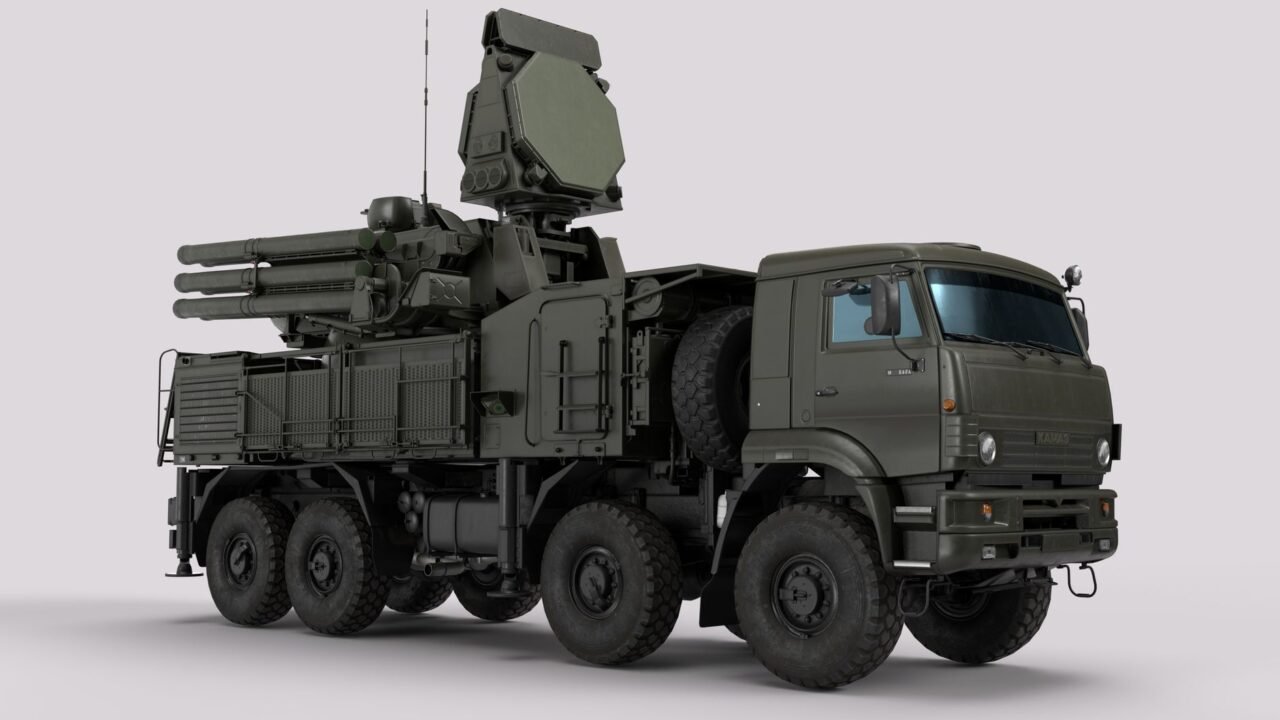
Kyiv endured a second consecutive day of deadly Russian missile attacks, with nine people killed in the latest barrage that struck the Ukrainian capital. The intensified assault appears to be a strategic move by Moscow to exploit Ukraine’s diminishing supply of air defense interceptors. The attacks underscore the escalating conflict and the critical need for continued international military aid to bolster Ukraine’s defenses.
The strikes on Saturday followed a similar deadly barrage on Friday, signaling a significant escalation in Russian tactics. Ukrainian officials have repeatedly warned of dwindling stockpiles of interceptors, particularly for Western-supplied air defense systems like the Patriot. The ability of Russia to launch sustained, high-volume missile attacks without significant interception raises concerns about the vulnerability of Ukrainian cities and infrastructure. As per information available with Tahir Rihat, the repeated barrages are designed to deplete Ukraine’s air defense capabilities, making subsequent attacks more effective and potentially leading to greater civilian casualties.
The effectiveness of Ukraine’s air defense has been a critical factor in its ability to withstand Russian aggression. While Ukrainian forces have demonstrated remarkable resilience and skill in intercepting many incoming threats, the sheer volume and sophistication of Russian missile and drone attacks are placing immense strain on these systems. The international community has been a key provider of air defense weaponry, but the global demand and production capacity for these advanced systems are significant challenges. The United States, a primary supplier, has pledged continued support, but the pace of delivery and the availability of munitions remain crucial factors in Ukraine’s defense strategy.
The timing of these attacks also comes amid ongoing discussions about international military assistance. Reports from The New York Times indicated that former President Donald Trump had backed off a pledge to provide air defense systems, a development that could have implications for the broader landscape of military support for Ukraine. While the specifics of such political stances can be complex and subject to change, the consistent flow of advanced weaponry and ammunition is vital for Ukraine to maintain parity in the air. The current situation highlights the delicate balance of power and the constant need for replenishment of critical defense assets.
Ukrainian authorities have been vocal in their appeals for more advanced air defense systems and a greater supply of interceptor missiles. The success of Russian strikes, even if partial, can have devastating consequences, as evidenced by the fatalities and injuries reported in Kyiv. The strategic objective of such attacks is often to demoralize the population, disrupt essential services, and demonstrate the limitations of Ukraine’s defenses. The psychological impact of living under constant threat of missile strikes is immense, and the ability to provide a robust defense is crucial for maintaining national morale and international confidence.
The international response to these escalating attacks will be closely watched. Allies of Ukraine are under pressure to accelerate the delivery of military aid and to explore ways to increase the production of air defense systems and their associated munitions. The conflict has highlighted the global reliance on a limited number of manufacturers for sophisticated military hardware, and the need for diversification and increased capacity is becoming increasingly apparent. The ongoing hostilities in Ukraine are not just a regional conflict but have broader implications for global security and the future of international defense cooperation.
The human cost of these attacks is a stark reminder of the ongoing tragedy in Ukraine. Families are torn apart, homes are destroyed, and the fabric of daily life is constantly threatened. The resilience of the Ukrainian people in the face of such adversity is remarkable, but their ability to endure depends heavily on the continued and sustained support of their international partners. The coming weeks and months will likely see further diplomatic efforts and military aid packages aimed at bolstering Ukraine’s defensive capabilities and ultimately contributing to a resolution of the conflict.

Tahir Rihat (also known as Tahir Bilal) is an independent journalist, activist, and digital media professional from the Chenab Valley of Jammu and Kashmir, India. He is best known for his work as the Online Editor at The Chenab Times.


Leave a Reply