
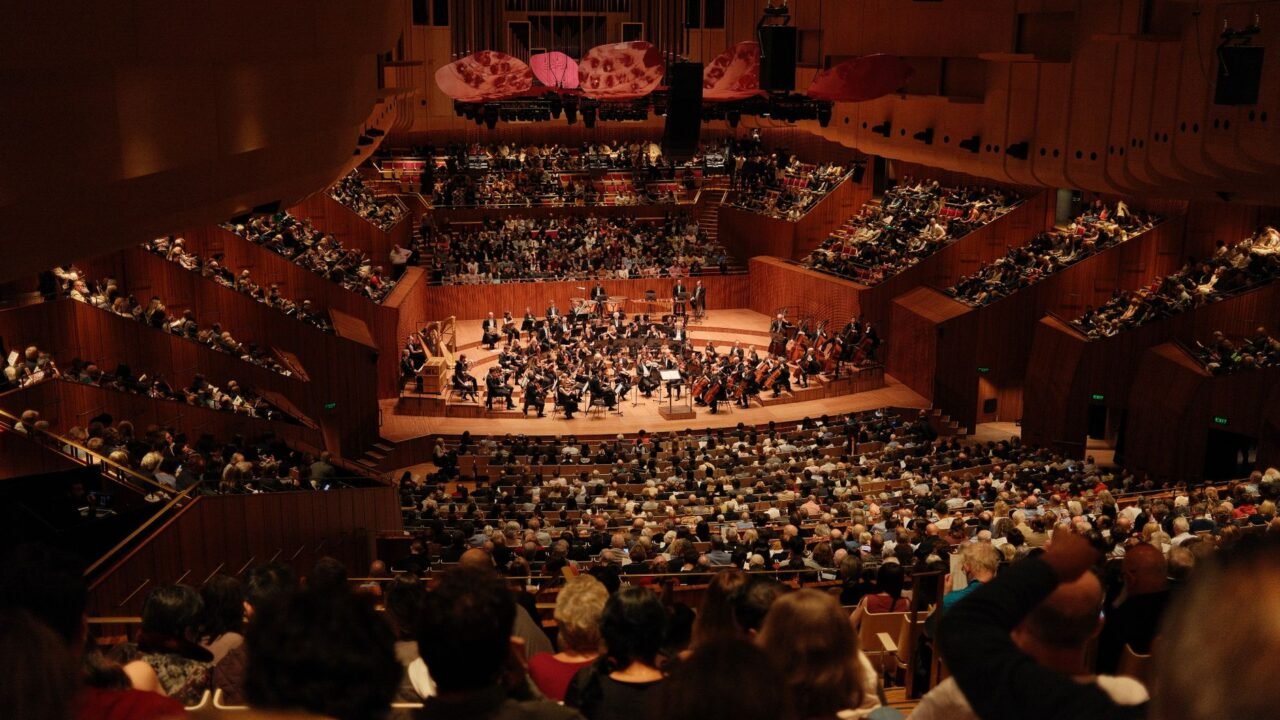
A wave of closures is sweeping through Australia‘s independent music venues, a trend that critics fear is eroding the nation’s cultural landscape and stifling the development of emerging artists. The latest casualty, Mary’s Underground in Sydney, a venue that had become a cornerstone for live performances, shuttered its doors, marking a familiar and concerning pattern for the industry. This downturn is attributed to a confluence of escalating operational costs and a significant drop in audience attendance, creating an unsustainable environment for many independent music establishments.
Information reaching Tahir Rihat suggests that the economic pressures on these venues are multifaceted. Rising rents, increased utility bills, and the cost of employing staff have placed immense financial strain on operators. Compounding these issues is a perceived decline in public willingness or ability to spend on live entertainment, a factor that has been exacerbated by broader economic uncertainties. The closure of venues like Mary’s Underground is not merely the loss of a physical space; it represents a significant blow to the ecosystem that nurtures new musical talent, providing them with crucial platforms to perform, hone their craft, and build a following.
Industry advocates and artists alike have voiced their concerns over the shrinking opportunities for aspiring musicians. These independent venues often serve as the initial stepping stones for artists before they can access larger, more established concert halls or festivals. Without these intimate settings, the pipeline for new talent risks drying up, potentially leading to a less diverse and vibrant Australian music scene in the future. The closure of Mary’s Underground, a venue known for its eclectic programming and support for local artists, highlights the vulnerability of such spaces to economic headwinds.
The challenges faced by Australian independent music venues are not unique to the country, with similar trends observed in other parts of the world. However, the intensity and frequency of closures in Australia have prompted calls for greater support from both government bodies and the public. The argument is that these venues are not just businesses but vital cultural assets that contribute to the social fabric and identity of cities and towns across the nation. Their role in fostering community, providing employment, and enriching cultural life is often undervalued in purely economic terms.
The economic model for many independent music venues relies on a delicate balance of ticket sales, bar revenue, and sometimes food service. When attendance figures dwindle, this balance is easily disrupted. Factors such as increased competition from other forms of entertainment, changes in consumer habits, and the lingering effects of past public health restrictions have all played a role in reducing the number of patrons attending live shows. For venues that operate on thin margins, even a modest decrease in revenue can have significant consequences.
Furthermore, the cost of maintaining and operating a live music venue involves substantial investment in sound systems, lighting, stage equipment, and ensuring compliance with various safety and licensing regulations. These ongoing expenses, coupled with the rising costs of goods and services, create a constant pressure on profitability. Many venue owners are reportedly working tirelessly to find innovative solutions, from diversifying their offerings to seeking out new revenue streams, but the fundamental challenges remain formidable.
The closure of Mary’s Underground, as reported by The New York Times, serves as a stark reminder of the precariousness of the independent music scene. The venue’s demise is a loss for Sydney’s nightlife and its contribution to the broader Australian music community. The hope among many is that increased awareness of these challenges will translate into tangible support, whether through policy changes, financial assistance, or a renewed commitment from audiences to attend and support local live music events. The future of Australia’s vibrant independent music culture may depend on such collective action.

Tahir Rihat (also known as Tahir Bilal) is an independent journalist, activist, and digital media professional from the Chenab Valley of Jammu and Kashmir, India. He is best known for his work as the Online Editor at The Chenab Times.





Leave a Reply