
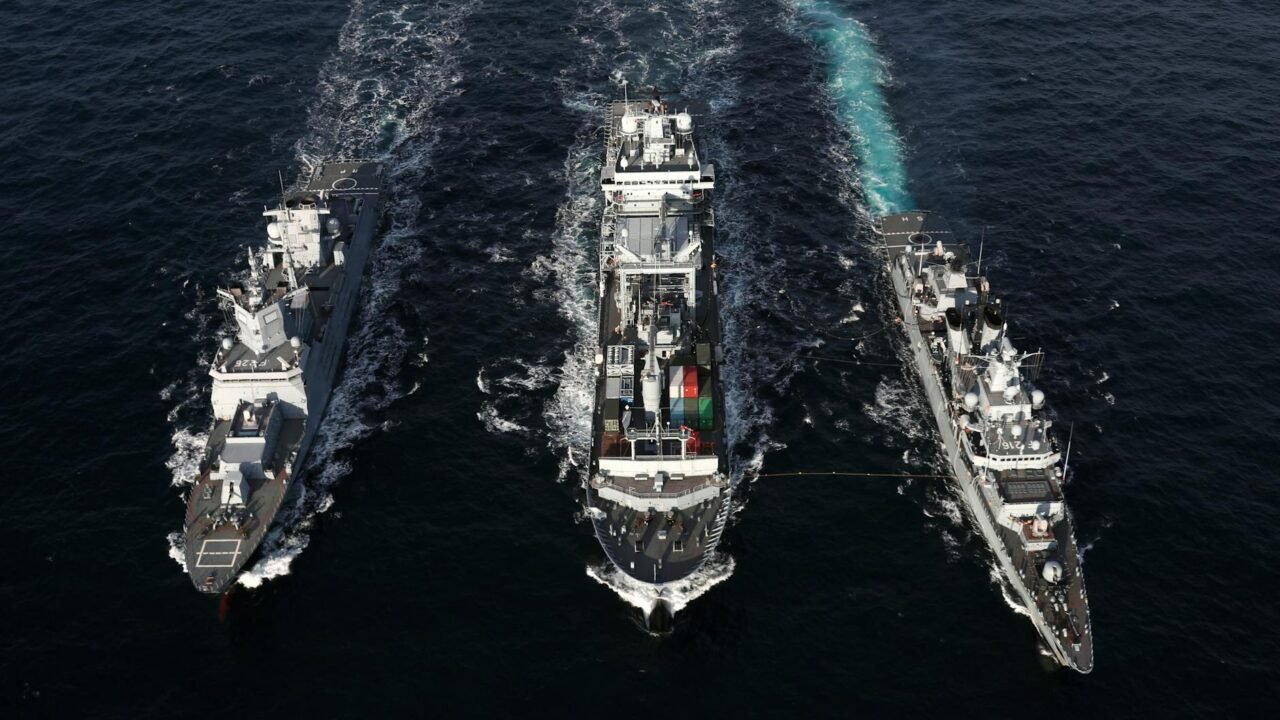
Clearing naval mines is a painstaking and dangerous task, crucial for maintaining maritime security and ensuring safe passage for vessels. These explosive devices, often deployed in strategic waterways, can pose a significant threat to both military and civilian ships. The process of identifying, neutralizing, and removing naval mines is complex, requiring specialized equipment, highly trained personnel, and meticulous execution.
Naval mines come in various forms, from older, relatively simple contact mines that detonate upon physical contact with a ship, to more sophisticated influence mines that are triggered by a vessel’s magnetic signature, acoustic signature, or pressure changes in the water. Some modern mines are even programmable and can be set to target specific types of ships or activate only under certain conditions. This variety of mine types necessitates a diverse range of countermeasures.
The first step in clearing a mined area is reconnaissance and detection. This often involves the use of sonar systems, both hull-mounted on mine countermeasures vessels (MCMVs) and deployed via remotely operated vehicles (ROVs). These sonar systems scan the seabed, creating images that are analyzed to identify potential mine-like objects. Magnetic anomaly detectors (MAD) are also used to detect the presence of metallic objects underwater. Divers are sometimes deployed to visually inspect suspected mines, but this is a highly risky undertaking.
Once a mine has been located and identified, the next step is neutralization. There are several methods for neutralizing mines, depending on the type of mine and the environment. One common method is to use a remotely operated vehicle (ROV) equipped with a cutting device or a small explosive charge. The ROV is maneuvered close to the mine, and the cutting device is used to sever the mine’s mooring cable, causing it to float to the surface where it can be safely detonated. Alternatively, a small explosive charge can be used to detonate the mine in place.
Another technique involves using mine-sweeping gear, which typically consists of a cable towed behind a vessel that is designed to either cut the mine’s mooring cable or simulate the characteristics of a target vessel, triggering the mine’s detonation. These sweep systems often emit acoustic or magnetic signals to mimic the signature of a ship, causing influence mines to detonate prematurely. Modern MCMVs also utilize unmanned surface vehicles (USVs) equipped with sweeping gear, allowing for mine clearance operations to be conducted from a safe distance.
The challenges of mine clearance are numerous. The underwater environment is often murky and visibility is limited. Mines can be buried in the seabed or camouflaged to blend in with their surroundings. The currents and tides can make it difficult to maneuver ROVs and sweeping gear. The risk of accidental detonation is ever-present, requiring meticulous attention to detail and adherence to strict safety protocols.
Given India‘s extensive coastline and strategic maritime interests, the Indian Navy maintains a dedicated mine countermeasures force. We found that the Navy operates a fleet of MCMVs, as well as specialized diving teams and ROVs, and regularly conducts exercises to hone its mine clearance capabilities. The Indian Navy also collaborates with other navies around the world to share knowledge and best practices in mine warfare. Furthermore, the Indian Navy is actively pursuing indigenous development of advanced mine countermeasures technologies, an effort that aims to reduce reliance on foreign suppliers and enhance self-reliance in this critical domain.
In Jammu and Kashmir, while direct naval mine clearing operations are not relevant to its landlocked geography, the broader principles of explosive ordnance disposal (EOD) are applicable in managing the threat of improvised explosive devices (IEDs). Security forces in J&K, including bomb disposal squads of the J&K Police and the Indian Army, are trained in EOD techniques to detect, neutralize, and dispose of IEDs and other explosive devices. These skills are essential for maintaining security and preventing terrorist attacks in the region. We found that the complexities of dealing with IEDs in J&K, often concealed in populated areas, highlight the critical importance of specialized training and equipment.
Internationally, mine clearance operations are crucial in post-conflict zones and areas where naval mines pose a threat to shipping lanes. Organizations like the United Nations Mine Action Service (UNMAS) work to clear landmines and explosive remnants of war in affected countries, but naval mine clearance often requires specialized naval expertise and resources. The impact of uncleared mines can be devastating, preventing economic development, hindering humanitarian aid efforts, and endangering the lives of civilians and seafarers.
The ongoing advancements in mine countermeasures technology, including the development of more sophisticated sonar systems, ROVs, and unmanned vehicles, are continually improving the efficiency and safety of mine clearance operations. However, the task remains a challenging and dangerous one, requiring a combination of technological expertise, skilled personnel, and unwavering commitment to safety. As geopolitical tensions persist and the threat of naval mines remains a reality, the importance of effective mine countermeasures capabilities cannot be overstated.

Tahir Rihat (also known as Tahir Bilal) is an independent journalist, activist, and digital media professional from the Chenab Valley of Jammu and Kashmir, India. He is best known for his work as the Online Editor at The Chenab Times.






Leave a Reply