
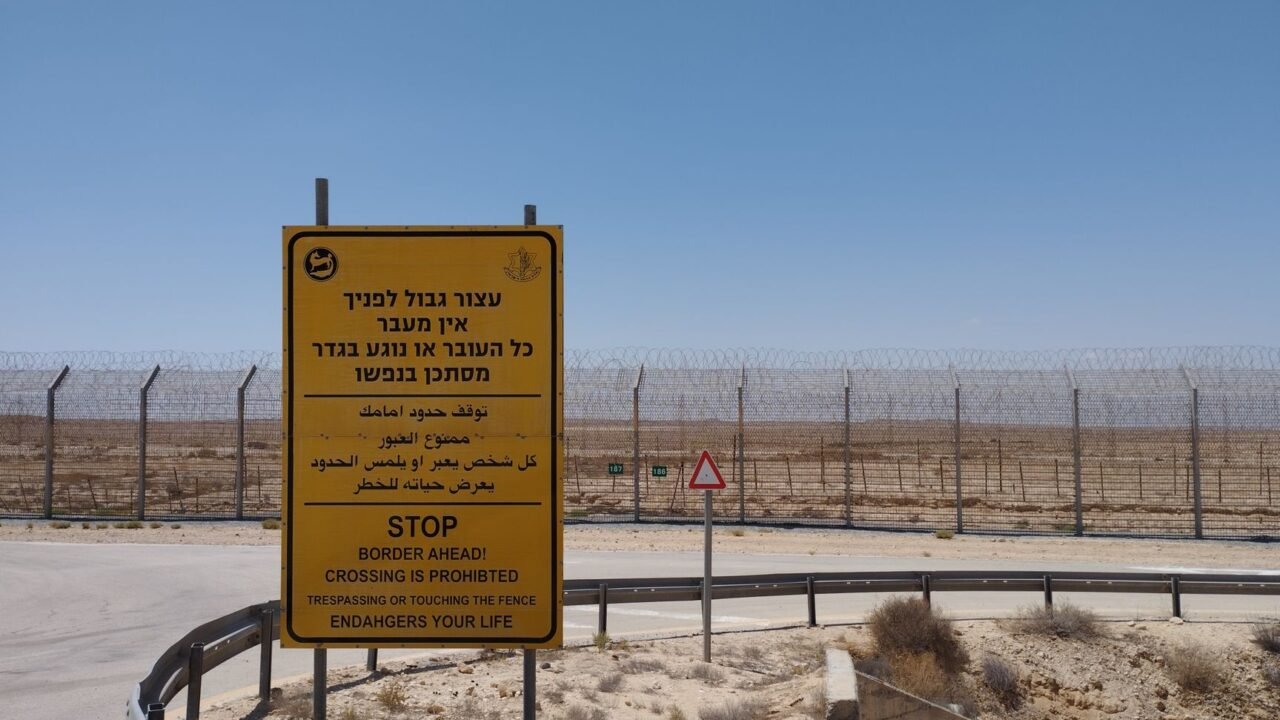
Israel launched airstrikes into Lebanon on Tuesday, a move that occurred concurrently with diplomatic efforts aimed at securing a long-term settlement between the two nations. The strikes followed accusations by Israel that Hezbollah had violated a cease-fire agreement.
The precise nature of the alleged cease-fire violation by Hezbollah was not immediately detailed, but the Israeli military stated its actions were in response to the breach. Details regarding the targets of the Israeli strikes within Lebanon and any potential casualties or damage were not disclosed in the initial reports.
This escalation comes at a critical juncture, as Israeli and Lebanese negotiators were reportedly engaged in talks in Rome. Information reaching Tahir Rihat suggests that these discussions were focused on fostering a lasting diplomatic resolution to the ongoing tensions. The timing of the Israeli airstrikes, while these sensitive negotiations were underway, raises significant concerns about the fragility of the current situation and the potential for further escalation.
The conflict between Israel and Hezbollah, a powerful Lebanese militant group and political party, has a long and complex history. Both sides have engaged in periods of intense hostilities, punctuated by fragile cease-fires and diplomatic interventions. The current round of tensions has seen a heightened risk of wider regional instability, with various international actors closely monitoring the developments.
The diplomatic engagement in Rome, as reported by The New York Times, underscores the international community’s efforts to de-escalate the situation and prevent a broader conflict. The presence of negotiators from both Israel and Lebanon in a neutral venue like Rome indicates a willingness, at least at some level, to pursue a peaceful resolution. However, the effectiveness of these talks is now directly challenged by the military actions taken by Israel.
The implications of these strikes are far-reaching. They could potentially derail the ongoing diplomatic process, hardening positions on both sides and increasing the likelihood of retaliatory actions. The international community, which has been actively involved in mediating between Israel and Lebanon, will likely face renewed pressure to intervene and prevent further bloodshed.
The cease-fire that Israel claims was violated has been a cornerstone of efforts to maintain a degree of stability in the region. Any breach, whether intentional or accidental, carries the risk of unraveling the progress made in de-escalation. The response from Hezbollah is also a critical factor to watch, as their reaction will determine the immediate trajectory of the conflict.
The ongoing diplomatic dialogue in Rome represents a crucial opportunity for both sides to address their grievances and work towards a sustainable peace. The success of these negotiations hinges on the ability of both Israel and Hezbollah to exercise restraint and prioritize diplomatic solutions over military action. The international community’s role in facilitating these talks and ensuring adherence to any agreements reached will be paramount.
The situation remains fluid, with the potential for rapid developments. The coming hours and days will be critical in determining whether the diplomatic path can prevail over the cycle of violence. The international focus will undoubtedly remain on the Middle East, as the conflict between Israel and Hezbollah has implications that extend beyond the immediate borders of Lebanon and Israel.
The reported talks in Rome aimed at a long-term diplomatic settlement highlight the persistent desire for peace, even amidst ongoing hostilities. The effectiveness of such negotiations is often tested by the realities on the ground, and the recent Israeli strikes present a significant challenge to the diplomatic process. The international community’s commitment to supporting these talks will be crucial in navigating this delicate period.
The international community has consistently called for de-escalation and a return to diplomatic channels. The efforts in Rome are a testament to this commitment. However, the military actions taken by Israel underscore the deep-seated mistrust and the complex security concerns that both sides face. The path to a lasting peace requires sustained dialogue, mutual concessions, and a commitment to non-violence.
The situation in the region is being closely monitored by global powers, who recognize the potential for the conflict to spill over and destabilize neighboring countries. The diplomatic efforts in Rome are seen as a vital component in preventing such an outcome. The success of these talks will depend on the willingness of both parties to engage in good faith and to prioritize the long-term interests of peace and stability over immediate tactical gains.
The alleged violation of the cease-fire by Hezbollah, as stated by Israel, has cast a shadow over the ongoing diplomatic efforts. The response from Hezbollah to these strikes will be a key indicator of how the situation will evolve. The international community is urging restraint from all parties involved, emphasizing the need for a de-escalation of tensions and a renewed focus on diplomatic solutions.
The ongoing talks in Rome represent a glimmer of hope for a peaceful resolution. However, the recent military actions by Israel serve as a stark reminder of the challenges that lie ahead. The international community’s continued engagement and support for the diplomatic process will be essential in navigating this complex and volatile situation. The ultimate goal remains a stable and peaceful future for the region.

Tahir Rihat (also known as Tahir Bilal) is an independent journalist, activist, and digital media professional from the Chenab Valley of Jammu and Kashmir, India. He is best known for his work as the Online Editor at The Chenab Times.

Leave a Reply