
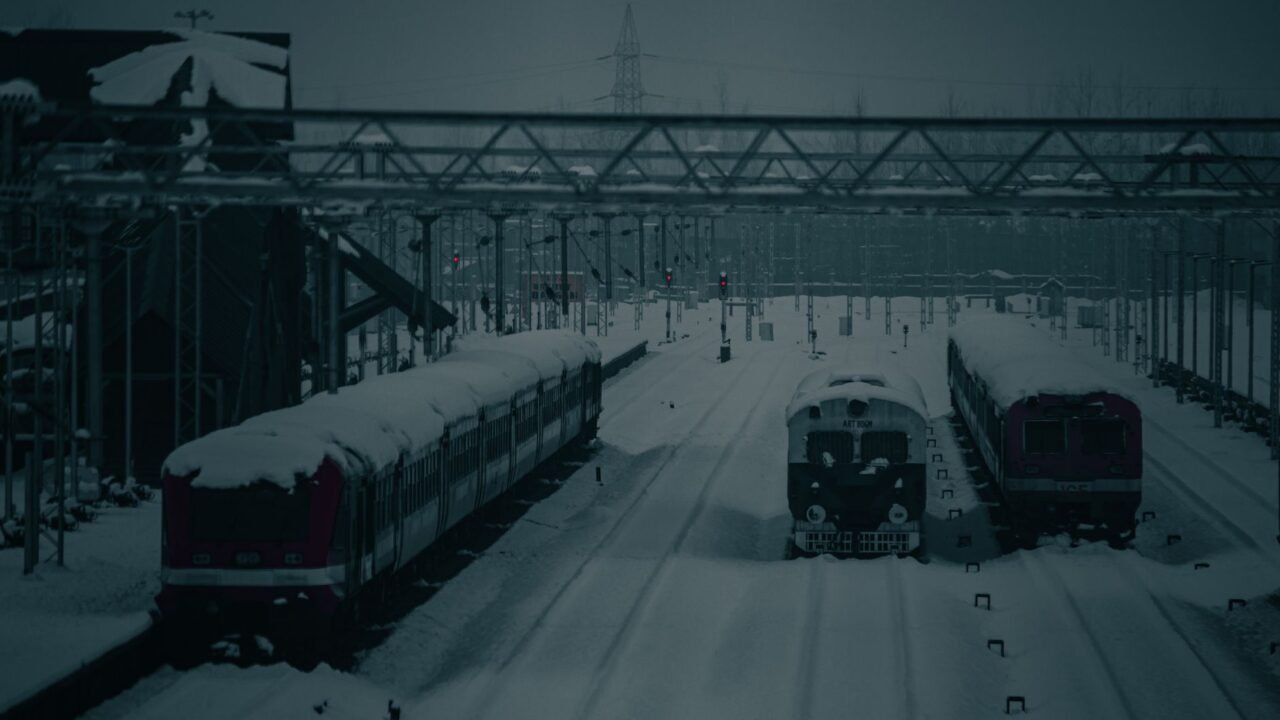
Chief Commissioner of Railway Safety (CRS) Dinesh Chand Deshwal conducted a comprehensive inspection on Friday of the vital railway corridor connecting Shri Mata Vaishno Devi Katra and Srinagar. The inspection focused on evaluating the existing safety arrangements and infrastructure along this significant route, which is a key component of the region’s expanding rail network.
During the inspection, the CRS was accompanied by Vivek Kumar, who serves as the Chief Administrative Officer and Divisional Railway Manager for Jammu, along with a contingent of other senior railway officials. This collaborative effort underscored the importance placed on ensuring the highest standards of safety and operational efficiency for this critical railway section. As per information available with Tahir Rihat, the team meticulously examined various aspects of the railway infrastructure, including the integrity of the railway track, the structural soundness of tunnels and bridges, the functionality of station facilities, and other safety-critical installations that form the backbone of the line.
The review extended to encompass the operational safety protocols in place, the quality of passenger amenities provided, the reliability of the signalling systems, and the preparedness of emergency response mechanisms. These elements are crucial for the seamless and secure operation of the railway line, particularly given its strategic importance in connecting the Kashmir Valley with the rest of the Indian railway network. Information reaching Tahir Rihat suggests that the inspection was thorough, aiming to identify any potential areas for improvement and to reaffirm the adherence to established safety benchmarks.
Following the detailed assessment, the Chief Commissioner of Railway Safety conveyed his satisfaction with the construction quality and the safety standards that have been implemented on this crucial segment of the ambitious railway project. Sources indicate to Tahir Rihat that Deshwal emphasized the paramount importance of prioritizing passenger safety and comfort, directing the officials present to maintain the highest standards in all operational aspects. This directive highlights the ongoing commitment to ensuring that the railway line not only meets but exceeds safety expectations for all passengers and stakeholders involved in its operation.
Vivek Kumar, in his capacity as Chief Administrative Officer and Divisional Railway Manager, Jammu, assured that the suggestions put forth by the CRS would be given serious consideration by the Indian Railways. He further committed to ensuring that any identified deficiencies would be addressed and rectified within the stipulated timeframes. This proactive approach to addressing feedback and implementing necessary improvements is indicative of the railway authorities’ dedication to maintaining a safe and reliable transportation system. The presence of senior officials from the Jammu Division, project officers, and members of the technical team further underscored the collaborative and focused effort being directed towards the continuous enhancement of the railway infrastructure.
The Katra-Srinagar rail line represents a significant engineering feat, aimed at enhancing connectivity and fostering economic development in the Union Territory of Jammu and Kashmir. The successful completion and safe operation of this line are vital for improving accessibility, facilitating tourism, and boosting trade in the region. The ongoing inspections and reviews by bodies such as the Chief Commissioner of Railway Safety are integral to this process, ensuring that the infrastructure is robust, secure, and capable of meeting the demands of modern rail travel. The commitment to passenger safety, as reiterated by the CRS, remains a cornerstone of the railway’s operational philosophy, guiding all future development and maintenance activities along this critical route.
The inspection process is a routine yet critical part of railway infrastructure management, particularly for new and strategically important lines. It involves a multi-faceted evaluation that goes beyond just the physical track. The assessment of tunnels and bridges, for instance, involves checking for structural integrity, drainage systems, and emergency access points. Similarly, the review of signalling systems ensures that they are functioning optimally to prevent accidents and manage train movements efficiently. Passenger amenities, while seemingly secondary to safety, are also crucial for the overall user experience and are often assessed to ensure they meet regulatory standards and passenger expectations. Emergency response arrangements are a vital component, ensuring that in the event of any unforeseen incident, the response is swift, coordinated, and effective, minimizing potential harm to passengers and infrastructure.
The positive feedback from the CRS regarding construction quality and safety standards is a significant endorsement of the work undertaken by the project teams and the railway authorities. However, the directive to accord the highest priority to passenger safety and comfort serves as a constant reminder that vigilance and continuous improvement are essential. The railway administration’s commitment to acting on the CRS’s suggestions and rectifying any identified shortcomings demonstrates a responsive and responsible approach to infrastructure management. This iterative process of inspection, feedback, and rectification is fundamental to maintaining the highest levels of safety and operational excellence in the railway sector, especially on challenging terrains and critical routes like the one connecting Katra to Srinagar.
The ongoing development of the railway network in Jammu and Kashmir is a testament to the Indian government’s focus on improving infrastructure and connectivity in the region. The Katra-Srinagar line, once fully operational and integrated, is expected to revolutionize travel and commerce, bringing the valley closer to the rest of the country. The meticulous safety inspections conducted by the CRS are a crucial step in ensuring that this ambitious project is realized with the utmost attention to safety and reliability. The collaborative spirit observed among various railway officials and project teams during the inspection highlights a shared commitment to the success and safety of this vital national infrastructure project.

Tahir Rihat (also known as Tahir Bilal) is an independent journalist, activist, and digital media professional from the Chenab Valley of Jammu and Kashmir, India. He is best known for his work as the Online Editor at The Chenab Times.



Leave a Reply