
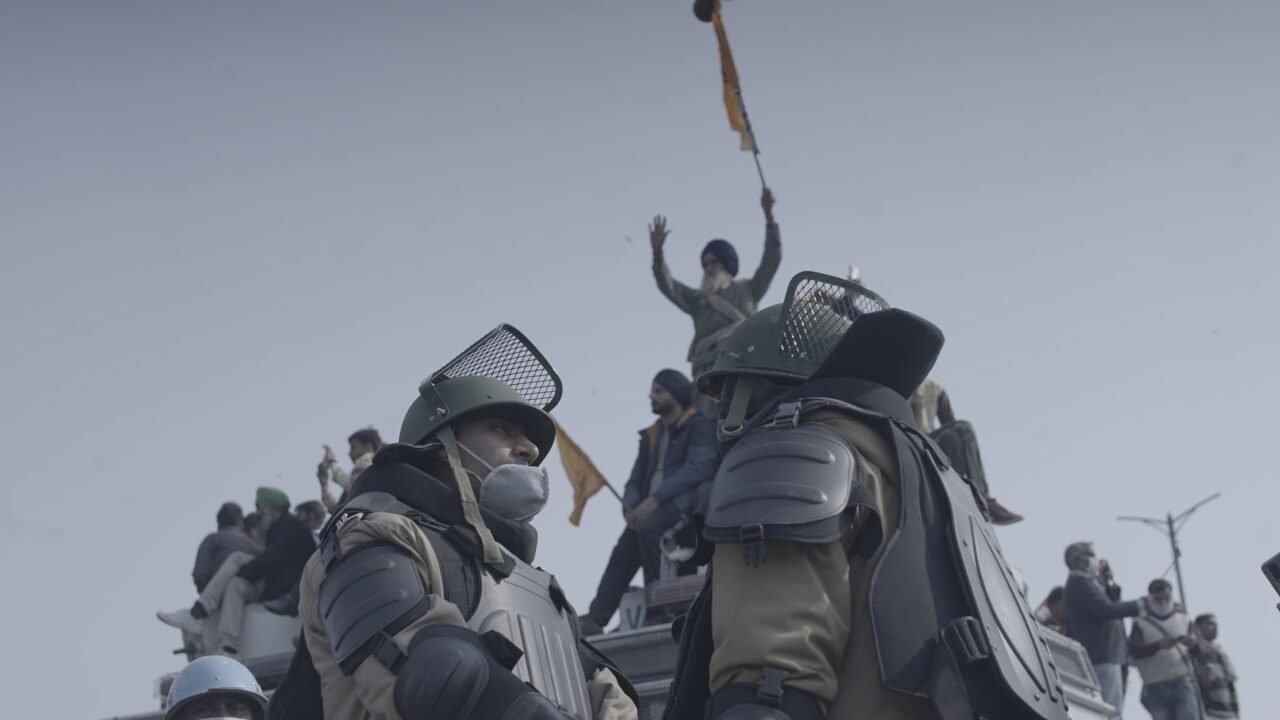
New Delhi authorities employed a forceful response, including the use of pellet guns, sticks, and tear gas, to halt a march organized by young people in the capital city. The July 20 incident has since ignited widespread public outcry and prompted accusations of excessive force against the police.
A detailed analysis conducted by The New York Times has shed light on the events of that day, revealing the methods used by law enforcement to disperse the unarmed protesters. The march, intended to voice grievances and concerns of the youth, was met with a robust and aggressive police intervention that has drawn significant criticism from various quarters.
Information reaching Tahir Rihat suggests that the crackdown occurred in New Delhi, a location that typically sees heightened security during public demonstrations. The use of crowd-control measures, particularly pellet guns, has been a contentious issue in India, with past instances leading to severe injuries and permanent disabilities, especially in the Kashmir region. The deployment of such weapons against unarmed civilians, even in the context of a protest, raises serious questions about proportionality and adherence to human rights standards.
The New York Times’ investigation meticulously documented the sequence of events, detailing how the police moved to intercept the marchers. Eyewitness accounts and available footage indicate that the protesters were unarmed and that the police response was swift and severe. The use of sticks and tear gas, while common in crowd management, was reportedly employed with a level of intensity that left many participants injured and traumatized. The analysis highlights the stark contrast between the peaceful intentions of the marchers and the forceful tactics employed by the authorities.
The public outrage following the incident stems from the perceived disproportionate use of force. Many observers and rights groups have pointed out that the protesters were not posing an imminent threat that would warrant such a strong reaction. The images and reports emerging from the event have fueled a debate about the freedom of assembly and the methods used by Indian police forces to manage dissent. The New York Times‘ reporting provides a critical examination of these tactics, offering a factual account of the events and their immediate aftermath.
The incident has also brought renewed attention to the broader context of youth activism and the space available for public expression in India. Protests, particularly those involving young people, often highlight societal issues and demand attention from the government. However, the response to this particular march suggests a hardening stance against public demonstrations, raising concerns about democratic freedoms. The analysis by The New York Times serves as a crucial piece of reporting, offering an in-depth look at the specific tactics employed and the resulting public reaction.
The use of pellet guns, in particular, has a history of controversy. In the past, these weapons have been used in regions like Kashmir, leading to widespread injuries, including blindness. Their deployment in the capital city against a youth march underscores a pattern of using potentially dangerous crowd-control measures. The New York Times‘ investigation delves into the specifics of this deployment, examining the circumstances under which these weapons were authorized and used. The report aims to provide a clear and unbiased account of the events, allowing the public to understand the gravity of the situation.
The aftermath of the crackdown has seen calls for accountability and an independent inquiry into the police’s actions. Civil society groups and opposition political parties have voiced their condemnation, demanding that the authorities explain the rationale behind the use of such force. The New York Times‘ detailed analysis contributes to these calls by providing a factual basis for discussion and debate. The reporting focuses on the verifiable actions taken by the police and the immediate impact on the protesters, avoiding speculation and relying on evidence gathered.
The incident is seen by many as a critical moment in the ongoing discourse about policing and civil liberties in India. The response to the youth march has been interpreted by some as an attempt to suppress dissent and discourage future demonstrations. The detailed reporting by The New York Times offers a valuable perspective on how such events unfold and the tools used by state apparatus to manage public gatherings. The focus remains on the factual reporting of the events and the subsequent public reaction, as detailed in the source material.
The New York Times’ analysis, as detailed, provides a comprehensive look at the July 20 crackdown. It highlights the specific tools used by the police – pellet guns, sticks, and tear gas – and the impact they had on the unarmed protesters. The report underscores the public outrage and the accusations of excessive force that have followed the incident. The investigation serves as a critical examination of the events, offering a factual account of how the youth march was halted and the broader implications for civil liberties and public assembly in the region.

Tahir Rihat (also known as Tahir Bilal) is an independent journalist, activist, and digital media professional from the Chenab Valley of Jammu and Kashmir, India. He is best known for his work as the Online Editor at The Chenab Times.




Leave a Reply