
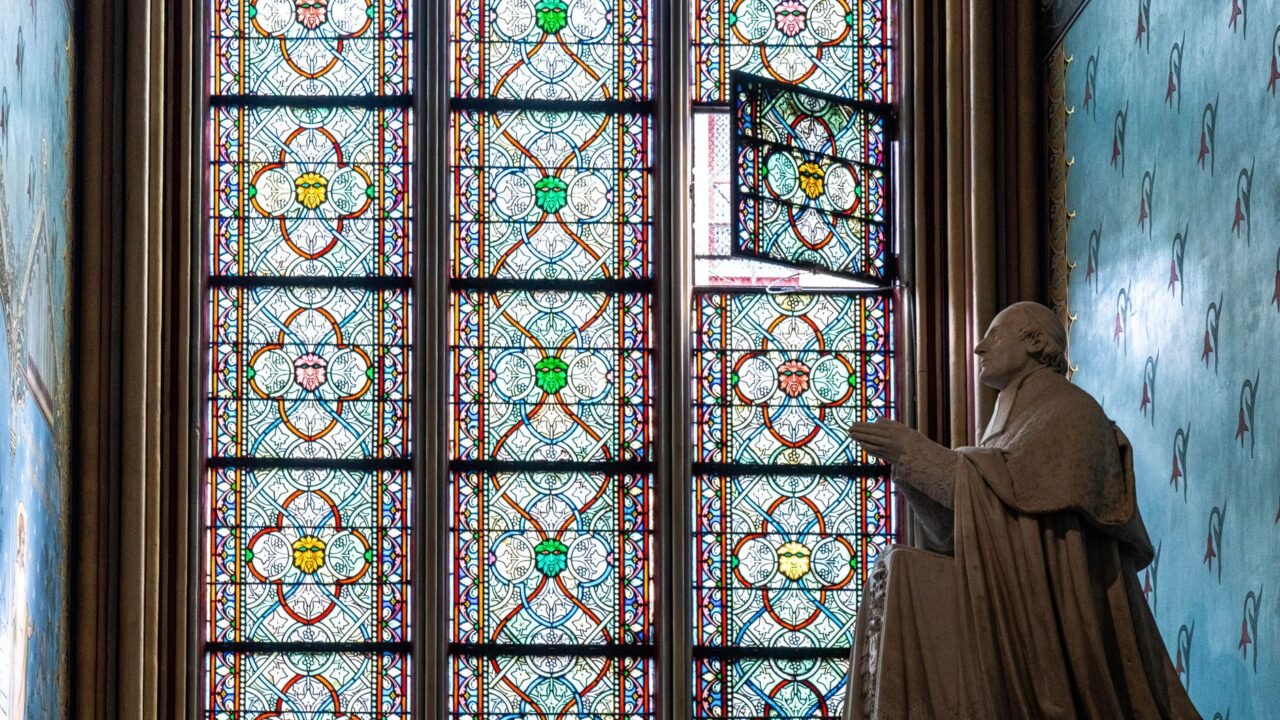
France has undertaken a meticulous and largely faithful renovation of the Notre-Dame Cathedral following the devastating fire in 2019. The extensive work has focused on restoring the historic structure to its former glory, with a significant emphasis on preserving its architectural heritage. However, a contentious decision has emerged regarding the fate of six of the cathedral’s towering stained-glass windows, which are slated for replacement with entirely new designs.
This development, as reported by The New York Times, marks a departure from the otherwise conservative approach to the restoration. While the majority of the cathedral’s interior and exterior elements are being painstakingly recreated or repaired to match their pre-fire state, the windows present a unique point of contention. Information reaching Tahir Rihat suggests that the choice to replace these specific windows with contemporary artistic interpretations has sparked debate among heritage experts and the public alike.
The fire, which ravaged the Parisian landmark, caused extensive damage, particularly to the roof and spire. The subsequent restoration effort has been a monumental undertaking, involving skilled artisans and considerable financial investment. The goal has been to ensure that Notre-Dame, a symbol of French history and culture, can once again welcome visitors and worshippers. The process has involved intricate work on stonework, carpentry, and the vast array of artworks housed within the cathedral.
The six windows in question are significant architectural features, known for their historical and artistic value. Their planned replacement with modern designs signifies a willingness to integrate contemporary artistic expression into a centuries-old sacred space. This decision is not without its critics, who argue that such a prominent departure from historical authenticity could undermine the integrity of the cathedral’s overall aesthetic and historical narrative. Conversely, proponents of the new designs suggest that they will offer a fresh perspective and a dialogue between the past and the present, reflecting the evolving nature of art and faith.
The selection process for the new window designs is expected to be rigorous, involving input from various stakeholders. The aim is to ensure that the new artworks, while modern, will complement the existing architecture and the spiritual atmosphere of Notre-Dame. The debate surrounding these windows highlights a broader discussion about how historical sites should be preserved and revitalized in the modern era. It raises questions about the balance between maintaining historical accuracy and allowing for creative evolution.
The restoration project as a whole has been a testament to international cooperation and French resilience. Numerous countries and individuals contributed to the rebuilding efforts, underscoring the global significance of Notre-Dame. The project has also served as a case study in disaster recovery and the complex logistics involved in restoring a major cultural heritage site. The meticulous attention to detail in the reconstruction of other elements, such as the intricate stonework and the famous flying buttresses, has been widely praised.
The controversy over the windows, however, brings a different dimension to the restoration narrative. It points to the inherent challenges in making decisions that affect iconic landmarks, where tradition and innovation often collide. The final outcome of the window replacement will undoubtedly be closely watched, as it represents a bold statement about the future of heritage sites in a rapidly changing world. The decision to replace, rather than restore, these specific windows suggests a deliberate choice to embrace a forward-looking vision for the cathedral, even as it honors its past.
The process of choosing the new designs is anticipated to involve significant public consultation and expert review. The aim is to ensure that the chosen artworks are not only aesthetically pleasing but also spiritually resonant and respectful of the cathedral’s sacred purpose. The debate is likely to continue as the project progresses, reflecting the deep emotional and cultural connection many people have to Notre-Dame. The replacement of these windows is not merely a matter of architectural choice but a cultural statement about how France views its heritage in the 21st century.

Tahir Rihat (also known as Tahir Bilal) is an independent journalist, activist, and digital media professional from the Chenab Valley of Jammu and Kashmir, India. He is best known for his work as the Online Editor at The Chenab Times.


Leave a Reply