
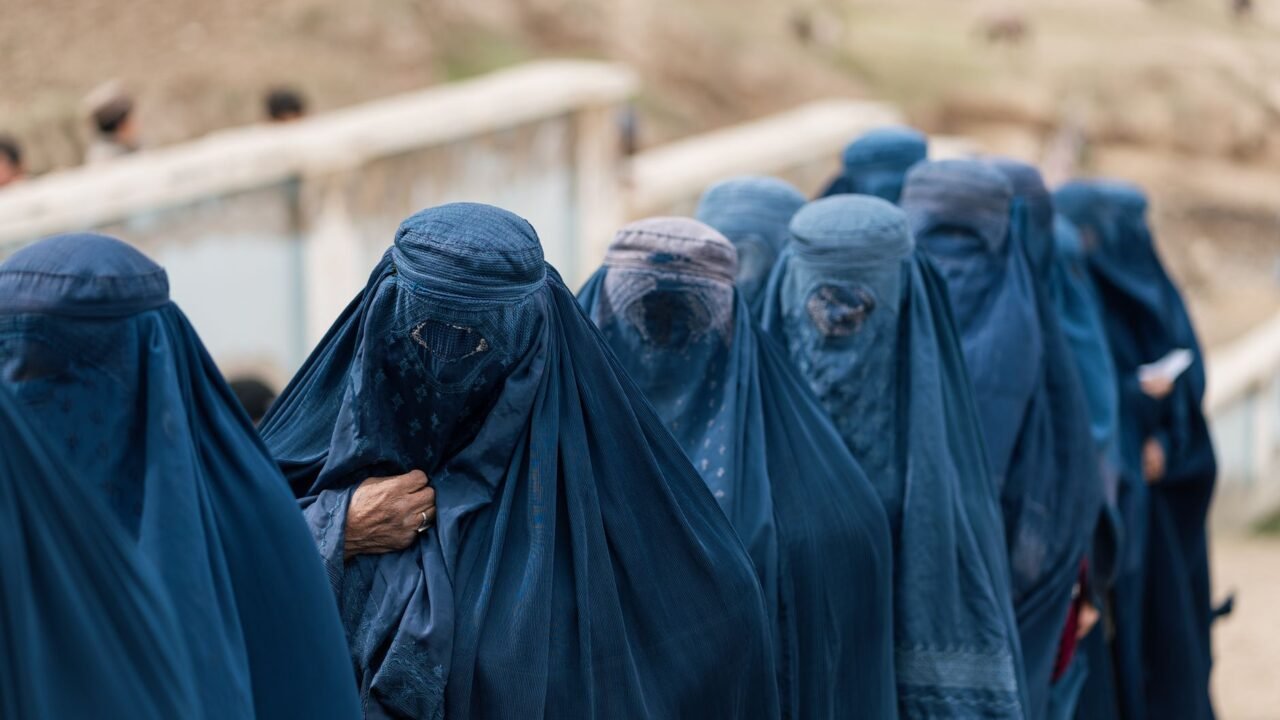
Five years after seizing control of Afghanistan, the Taliban are entrenched but facing mounting challenges that threaten to crack their veneer of stability. While the group has consolidated power, the country remains under a pervasive chokehold that spares no segment of the population. Yet, beneath the surface of control, internal dissent and external pressures are beginning to manifest, signaling potential fissures in the regime’s authority.
Information reaching Tahir Rihat suggests that the Taliban’s governance, now in its fifth year, is characterized by a rigid adherence to their interpretation of Islamic law, which has led to severe restrictions on freedoms, particularly for women and girls. Educational opportunities have been curtailed, and public life has been drastically altered, creating an atmosphere of fear and repression. This approach, while solidifying the group’s ideological base, has alienated significant portions of the populace and international observers.
The economic situation in Afghanistan continues to be dire, with widespread poverty and a lack of basic services. The Taliban have struggled to revive the economy, which has been further crippled by international sanctions and the withdrawal of foreign aid. While the group has emphasized self-reliance and sought to attract investment, tangible progress remains elusive, contributing to the general discontent among Afghans. The lack of economic opportunity fuels frustration and can serve as a breeding ground for opposition.
Internal divisions within the Taliban leadership are also reportedly a growing concern. While the group presents a united front, there are indications of differing factions with varying approaches to governance and ideology. These internal dynamics, if they escalate, could undermine the centralized control the Taliban leadership strives to maintain. The complex tribal and regional loyalties that have historically shaped Afghan politics continue to play a role, even within the ruling structure.
Externally, the Taliban regime faces a complex geopolitical landscape. While some regional powers have engaged with the Taliban government, seeking to maintain stability and counter extremist threats, widespread international recognition remains elusive. The global community continues to demand respect for human rights, particularly women’s rights, and a more inclusive government. The lack of formal diplomatic ties and the continued isolation hinder Afghanistan’s ability to access international financial institutions and crucial humanitarian aid, further exacerbating the economic crisis.
The persistent threat from rival militant groups, though seemingly diminished, remains a factor. While the Taliban have largely suppressed large-scale insurgencies, smaller pockets of resistance and extremist elements continue to pose a security challenge. The group’s efforts to maintain internal security are a constant balancing act, requiring significant resources and attention, which could be diverted from other governance priorities.
The Taliban’s five-year anniversary in power is thus a complex milestone. They have achieved a level of control not seen in decades, but this control is maintained through a system that is increasingly embattled. The combination of economic hardship, internal dissent, and international isolation creates a precarious environment. The group’s ability to adapt and address these multifaceted challenges will be critical in determining the future trajectory of Afghanistan and the longevity of the Taliban’s rule.

Tahir Rihat (also known as Tahir Bilal) is an independent journalist, activist, and digital media professional from the Chenab Valley of Jammu and Kashmir, India. He is best known for his work as the Online Editor at The Chenab Times.



Leave a Reply