

The United States and Iran have failed to meet a self-imposed deadline for brokering terms on peace and the resolution of Iran’s nuclear program. This development signals a potential shift in strategy, with the conflict increasingly appearing to pivot towards an economic battleground. The lack of progress in diplomatic channels suggests that neither side has found common ground on the critical issues that have fueled regional instability and international concern.
As per information available with Tahir Rihat, the expiration of the deadline marks a significant setback for efforts to de-escalate tensions that have been simmering for months. The initial optimism surrounding the talks, which were intended to pave the way for a cessation of hostilities and a framework for Iran’s nuclear activities, has now been replaced by uncertainty. The specific details of the proposed terms and the reasons for their failure to materialize remain largely undisclosed, adding to the opaque nature of the negotiations.
Sources indicate to Tahir Rihat that the United States may be recalibrating its approach, drawing parallels to past strategies employed in similar geopolitical standoffs. This could involve a renewed emphasis on economic sanctions and other financial pressures aimed at compelling Iran to alter its behavior and return to the negotiating table with more conciliatory proposals. The effectiveness of such measures in the past has been a subject of debate, with critics arguing that they often inflict hardship on civilian populations without achieving the desired political outcomes.
The international community has been closely observing the developments, with many nations expressing concern over the potential for further escalation. The failure of these peace talks could have far-reaching implications for regional security, potentially leading to increased proxy conflicts and a heightened risk of direct confrontation. The intricate web of alliances and rivalries in the Middle East means that any significant shift in the US-Iran dynamic could have ripple effects across the globe.
The nuclear program remains a central point of contention. For years, international powers have sought assurances that Iran’s nuclear activities are solely for peaceful purposes, while Tehran has maintained its right to develop nuclear technology. The stalled negotiations mean that the international community’s ability to monitor and verify Iran’s nuclear advancements is further compromised, raising concerns about proliferation risks. The precise nature of the stalled nuclear discussions and the specific demands from both sides are crucial to understanding the path forward.
The economic dimension of the conflict is becoming increasingly prominent. Sanctions, when effectively implemented, can cripple a nation’s economy, limiting its ability to fund military operations or pursue strategic objectives. However, Iran has demonstrated resilience in the face of economic pressure, often finding alternative markets or developing domestic capabilities to circumvent restrictions. The effectiveness of any new economic strategy will depend on its scope, the level of international cooperation, and Iran’s capacity to adapt.
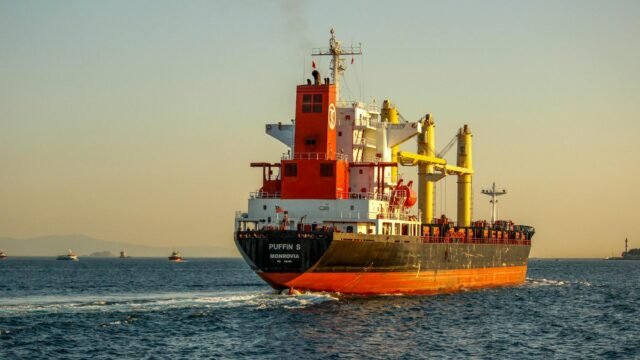
The implications of this shift towards economic warfare are multifaceted. It could lead to increased volatility in global energy markets, as the Strait of Hormuz, a vital shipping lane for oil, remains a potential flashpoint. Furthermore, it could exacerbate existing humanitarian concerns within Iran, as economic hardship often translates into reduced access to essential goods and services. The long-term consequences of such a strategy are difficult to predict, but they are likely to be significant for regional stability and global economic health.
The United States’ past experiences with economic statecraft offer a complex historical backdrop to the current situation. While some instances have seen economic pressure lead to desired policy changes, others have resulted in prolonged economic stagnation and heightened political tensions. The specific context of the US-Iran relationship, with its deep-seated historical animosities and complex regional dynamics, presents a unique challenge for any strategic recalibration.
The failure to reach a peace agreement also raises questions about the future of Iran’s regional influence and its support for various proxy groups. An intensified economic focus by the US could be aimed at curtailing Iran’s ability to project power through these channels. This, in turn, could lead to shifts in the balance of power in countries like Syria, Yemen, and Lebanon, where Iran plays a significant role.
The international diplomatic landscape is also being tested. Allies of the United States may have differing views on the efficacy and desirability of an intensified economic confrontation, potentially leading to divisions within the international coalition. The absence of a unified global front could embolden Iran or lead to unintended consequences that further destabilize the region. The role of other major global powers in this evolving scenario will be critical.
The current impasse underscores the deep divisions and mistrust that characterize the relationship between the United States and Iran. Rebuilding trust and finding a sustainable path towards peace and security will require sustained diplomatic engagement, a willingness to compromise, and a clear understanding of the underlying issues driving the conflict. The shift towards economic warfare, while potentially a calculated move, carries its own set of risks and challenges that will need to be carefully managed.

Tahir Rihat (also known as Tahir Bilal) is an independent journalist, activist, and digital media professional from the Chenab Valley of Jammu and Kashmir, India. He is best known for his work as the Online Editor at The Chenab Times.



Leave a Reply