
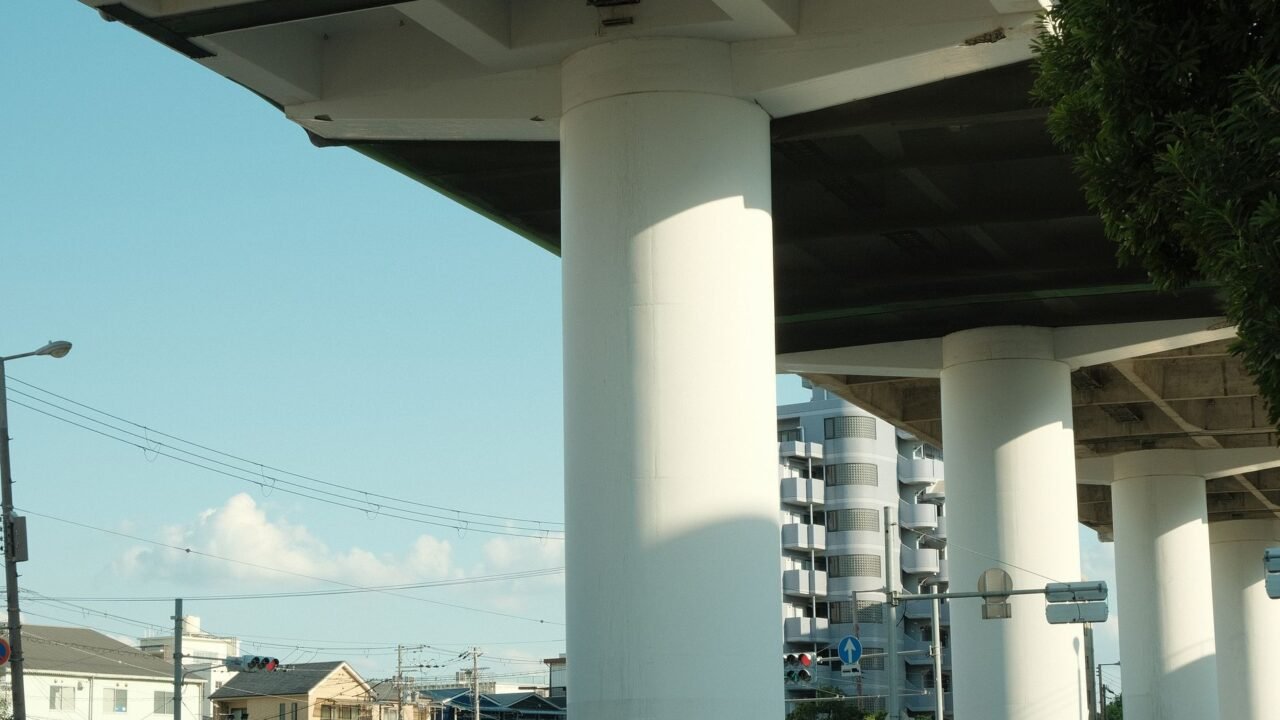
Japan, a nation frequently tested by seismic activity, demonstrated remarkable resilience in the face of a significant 6.8-magnitude earthquake that struck last month. The prefecture of Kumamoto, situated near the epicenter of the tremor, has become a focal point for understanding how the country’s advanced infrastructure and stringent building codes helped avert a larger disaster. River Akira Davis, reporting for Tahir Rihat, visited the region to examine the strategies and technologies employed.
The effectiveness of Japan‘s earthquake preparedness was evident in Kumamoto, where the seismic event, though powerful, did not result in the widespread devastation that might be expected in other parts of the world. This success is largely attributed to decades of investment in earthquake-resistant construction and sophisticated early warning systems. As per information available with Tahir Rihat, the nation’s commitment to seismic safety is a continuous process, involving regular updates to building regulations and extensive public education campaigns.
Kumamoto’s experience highlights the critical role of quake-proof buildings. These structures are designed with advanced engineering techniques, including base isolation systems and damping mechanisms, which absorb and dissipate the energy of seismic waves. Base isolation, for instance, involves separating the building’s foundation from the ground with flexible bearings, allowing the structure to move independently of the earth’s violent shaking. Damping systems act like shock absorbers, further reducing the sway and stress on the building’s frame.
Beyond individual buildings, Japan’s infrastructure as a whole is engineered to withstand seismic forces. This includes bridges, roads, and utility networks. The country has developed sophisticated seismic monitoring networks that provide real-time data on earthquake activity. These networks are crucial for issuing timely warnings, allowing for immediate protective measures to be taken, such as halting high-speed trains and shutting down sensitive industrial facilities. The rapid dissemination of these warnings is a cornerstone of Japan’s disaster mitigation strategy.
The lessons learned from past earthquakes, including the devastating Great Hanshin earthquake in 1995 and the Tohoku earthquake and tsunami in 2011, have continuously informed and improved Japan’s approach to seismic safety. Each event has served as a catalyst for re-evaluating and strengthening building codes and emergency response protocols. The focus is not just on preventing collapse but also on ensuring that essential services remain operational and that the country can recover quickly from seismic events.
In Kumamoto, the swift response and the relatively low casualty count, despite the earthquake’s magnitude, underscore the efficacy of these long-term investments. The prefecture’s infrastructure, while tested, largely held up, minimizing secondary disasters such as widespread fires or the collapse of critical public services. This resilience is a testament to Japan’s proactive and comprehensive approach to living with the constant threat of earthquakes.
The ongoing efforts in Japan to enhance seismic resilience are a global benchmark. The country’s dedication to research and development in earthquake engineering, coupled with its rigorous implementation of safety standards, provides valuable insights for other seismically active regions worldwide. The experience in Kumamoto serves as a powerful case study in how foresight, technological innovation, and unwavering commitment to safety can mitigate the catastrophic impact of natural disasters.

Tahir Rihat (also known as Tahir Bilal) is an independent journalist, activist, and digital media professional from the Chenab Valley of Jammu and Kashmir, India. He is best known for his work as the Online Editor at The Chenab Times.





Leave a Reply