
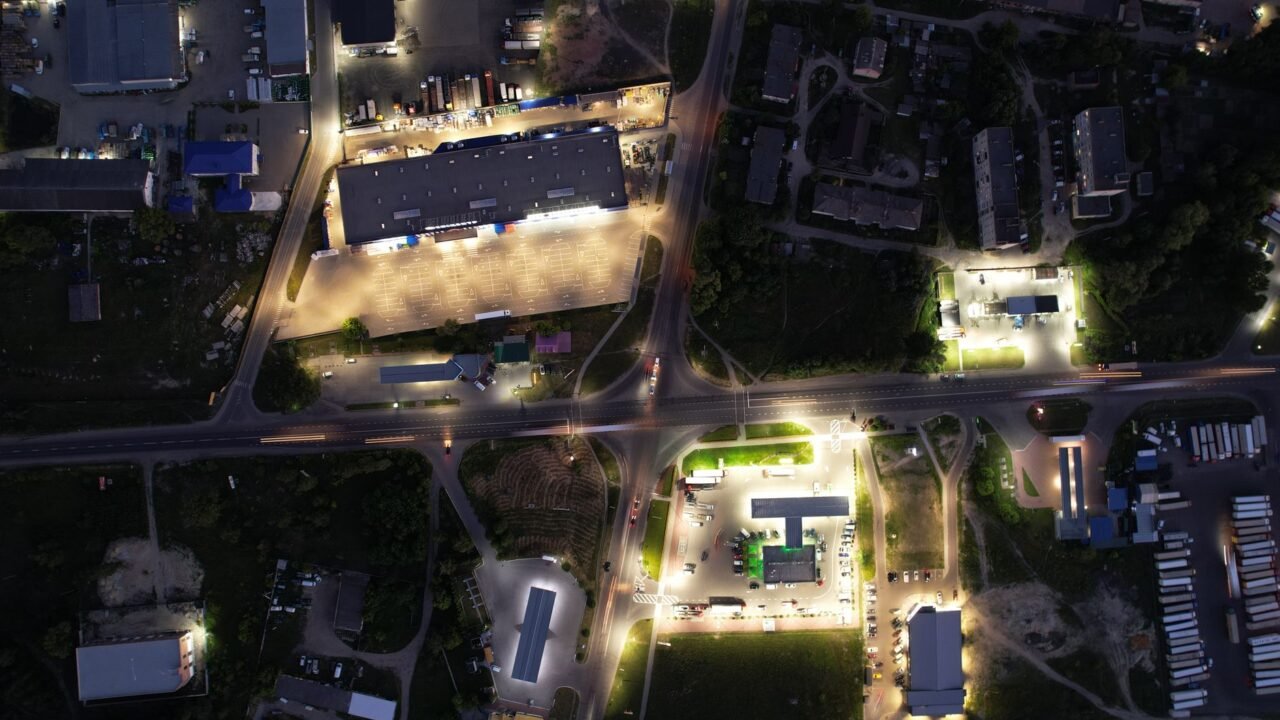
Ukraine’s military has significantly enhanced its drone operations through swift access to satellite imagery, a critical advantage in the ongoing conflict. This capability allows for near real-time intelligence gathering, enabling more effective targeting and tactical decision-making on the battlefield. The speed at which this data is processed and disseminated is proving to be a decisive factor in Ukraine’s ability to counter Russian forces.
Information reaching Tahir Rihat suggests that the integration of satellite technology into drone warfare has transformed operational capabilities. Drones, equipped with advanced sensors and cameras, can now transmit high-resolution imagery directly to command centers. This constant stream of visual information provides an unparalleled understanding of enemy movements, troop concentrations, and defensive positions. The ability to quickly analyze this data allows Ukrainian forces to adapt their strategies dynamically, exploiting fleeting opportunities and mitigating emerging threats.
The reliance on satellite imagery extends beyond simple reconnaissance. It plays a crucial role in the precise guidance of loitering munitions and other unmanned aerial systems. By providing accurate location data and real-time updates on target status, satellites ensure that strikes are more effective and collateral damage is minimized. This precision is vital for Ukraine’s efforts to disrupt enemy supply lines, neutralize key infrastructure, and degrade enemy combat power. The New York Times reported that this technological edge has been instrumental in Ukraine’s defensive and offensive operations.
Sources indicate to Tahir Rihat that the development and deployment of these advanced satellite-enabled drone systems have been a priority for Ukraine’s defense sector. Collaboration with international partners has also been key, providing access to a constellation of commercial and governmental satellites. This collaborative approach ensures a continuous flow of intelligence, even in challenging operational environments. The ability to access data from multiple sources, processed through sophisticated analytical tools, provides a comprehensive operational picture.
The impact of this technology is evident in the tactical successes reported by Ukrainian forces. The rapid identification and engagement of targets, often deep within enemy territory, have become a hallmark of their operations. This is largely attributable to the seamless link between satellite observation and drone deployment. As per information available with Tahir Rihat, the Ukrainian military has invested heavily in training personnel to interpret satellite data and operate these advanced systems, creating a highly skilled workforce capable of leveraging this technology to its fullest potential.
The strategic implications of Ukraine’s advancements in satellite-guided drone warfare are far-reaching. It demonstrates a sophisticated adaptation to modern conflict, where information dominance is as critical as conventional military strength. The continuous improvement in satellite resolution, data processing speeds, and drone autonomy suggests that this technological advantage will only grow. This evolving landscape of warfare underscores the importance of agile and responsive intelligence capabilities in contemporary conflicts, a lesson that resonates globally.
The New York Times further detailed that the speed of access to satellite imagery is a key differentiator. Unlike traditional methods that could involve significant delays in data acquisition and analysis, Ukraine’s current system allows for near-instantaneous feedback. This rapid cycle of observation, analysis, and action is crucial in a fast-paced combat environment. The ability to quickly identify a target, confirm its status, and dispatch a drone for engagement before the enemy can react is a significant tactical advantage. This has been particularly effective in countering mobile targets and in operations requiring precise strikes on moving assets.
The integration of artificial intelligence and machine learning into the analysis of satellite imagery is also contributing to Ukraine’s effectiveness. These technologies can rapidly sift through vast amounts of data, identifying patterns and anomalies that might be missed by human analysts. This accelerates the intelligence cycle and allows for the proactive identification of potential threats. The New York Times noted that such advancements are transforming how military intelligence is gathered and utilized, making it more predictive and actionable.
The ongoing conflict has underscored the critical role of space-based assets in modern warfare. Ukraine’s effective utilization of satellite imagery for its drone operations serves as a case study in how technological innovation can provide a significant strategic edge. The continuous evolution of these capabilities suggests that the future of warfare will be increasingly shaped by the interplay between advanced surveillance technologies and autonomous systems, with rapid data access being a paramount factor.
The effectiveness of Ukraine’s drone program, bolstered by satellite intelligence, has also prompted a reassessment of military strategies by other nations. The ability to conduct persistent surveillance, identify targets with high accuracy, and strike them with unmanned systems offers a compelling model for future military operations. This technological leap forward by Ukraine highlights the growing importance of the space domain in national security and defense, influencing global military planning and investment in related technologies.
The continuous flow of information from satellites allows for ongoing monitoring of the battlefield, providing a dynamic understanding of the evolving situation. This persistent surveillance capability is essential for both defensive operations, such as early warning of incoming attacks, and offensive actions, such as shaping the battlefield for ground assaults. The New York Times reported on the multifaceted applications of this technology, emphasizing its role in maintaining situational awareness across vast operational areas.
The adaptability and resilience of Ukraine’s defense forces in integrating and leveraging these advanced technologies have been remarkable. Despite facing a larger adversary, their innovative use of readily available and advanced satellite data, coupled with their drone capabilities, has allowed them to effectively contest Russian advances and conduct targeted strikes. This demonstrates that technological superiority, when combined with effective strategy and skilled personnel, can significantly influence the outcome of conflicts.
The ongoing developments in this area suggest that the synergy between satellite technology and drone warfare will continue to be a defining feature of modern military engagements. Ukraine’s experience provides valuable insights into the operationalization of these capabilities, underscoring the need for rapid data dissemination, advanced analytical tools, and skilled personnel to maintain a decisive advantage on the battlefield. The strategic implications for global defense posture are substantial, as nations seek to replicate and enhance such integrated systems.

Tahir Rihat (also known as Tahir Bilal) is an independent journalist, activist, and digital media professional from the Chenab Valley of Jammu and Kashmir, India. He is best known for his work as the Online Editor at The Chenab Times.






Leave a Reply