
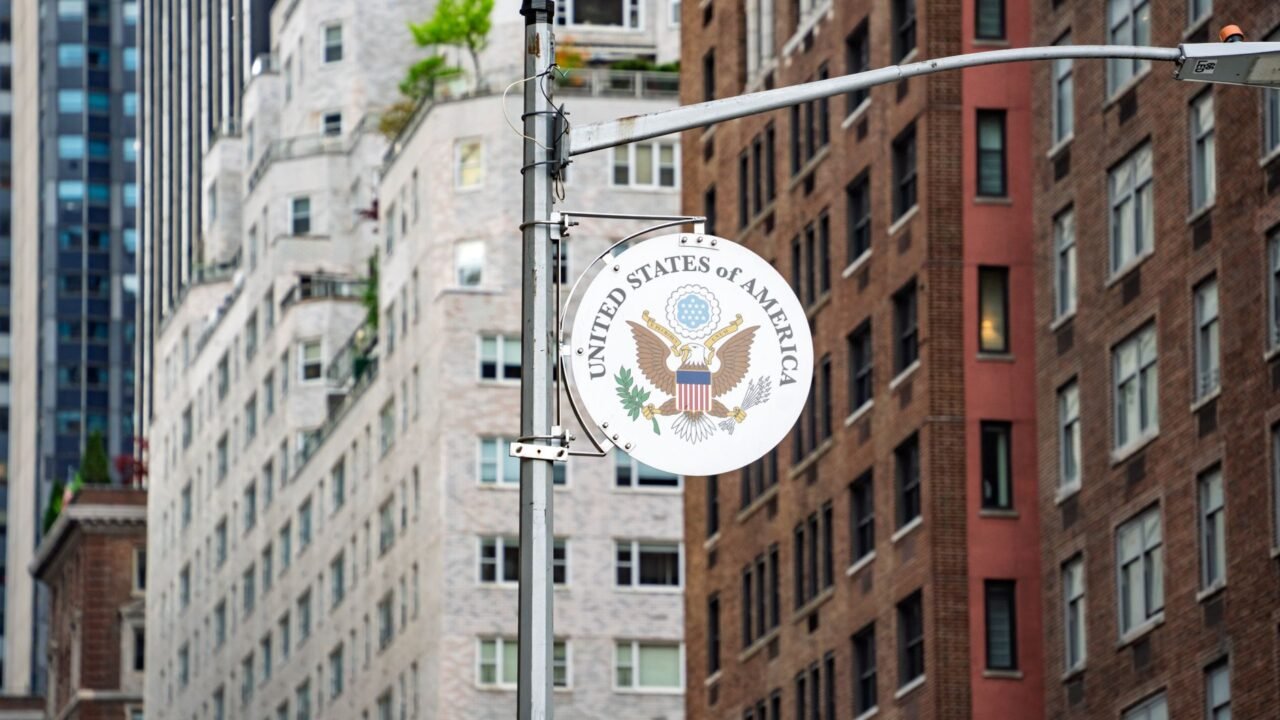
The United States is preparing to redeploy diplomatic personnel to their posts in the Middle East, a move that suggests the Trump administration does not foresee an immediate resumption of large-scale conflict with Iran. Evacuated foreign service officers could begin returning to their assignments as early as this week, according to an internal document reviewed by The New York Times. This decision signals a potential shift in the U.S. posture in the region, which has been on high alert following a series of escalating tensions.
Information reaching Tahir Rihat suggests that the planned return of diplomats is a significant indicator of the U.S. government’s assessment of the current security landscape. The internal document, which was not publicly released, outlines the logistical and security considerations for bringing staff back to embassies and consulates. The timing of this redeployment, occurring at a moment of relative calm after periods of heightened confrontation, underscores the administration’s belief that a full-blown conflict is not imminent. This development is being closely watched by regional allies and adversaries alike, as it could influence diplomatic strategies and security calculations across the Middle East.
The U.S. State Department has previously ordered the evacuation of non-essential personnel and their families from several diplomatic facilities in the Middle East in response to perceived threats. These evacuations were part of a broader precautionary measure taken by the administration to ensure the safety of its diplomatic corps. The decision to now send them back indicates a reassessment of those threats, likely based on intelligence assessments that suggest the immediate danger has subsided. This strategic recalibration by Washington could have far-reaching implications for diplomatic engagement and crisis management in a volatile region.
Sources indicate to Tahir Rihat that the return of diplomats is not a sign of complete resolution of underlying tensions but rather a calculated step based on current threat assessments. The administration’s approach appears to be one of cautious optimism, balancing the need for continued vigilance with the imperative of maintaining diplomatic presence. Embassies and consulates serve as crucial hubs for communication, intelligence gathering, and the implementation of U.S. foreign policy objectives. Their operational capacity is vital for effective engagement with regional partners and for monitoring developments on the ground.
The implications of this move extend beyond diplomatic operations. The presence of U.S. diplomats in their posts is often seen as a signal of commitment and stability. Their return could be interpreted by regional actors as a sign that the immediate crisis has passed, potentially influencing their own strategic decisions. Conversely, it could also prompt a reassessment of security protocols by those who remain concerned about ongoing threats. The intricate web of alliances and rivalries in the Middle East means that such a diplomatic shift can have ripple effects across various political and security dimensions.
The internal document detailing the return of diplomats likely includes provisions for enhanced security measures to ensure the safety of the returning personnel. While the immediate threat of full-scale conflict may be perceived as diminished, the underlying geopolitical complexities and potential for localized incidents remain. The U.S. administration will undoubtedly be monitoring the situation closely, prepared to adjust its diplomatic presence and security posture as circumstances evolve. The ability to maintain a robust diplomatic presence is essential for navigating the complex challenges and opportunities present in the Middle East.
The decision to redeploy diplomats is a nuanced one, reflecting a careful balance of risk and operational necessity. It suggests a strategic calculation that the immediate, acute phase of potential conflict has abated, allowing for a return to more normalized diplomatic operations. However, the volatile nature of the region means that such assessments are subject to constant review and revision. The coming weeks and months will be critical in observing how this development unfolds and whether it contributes to a sustained period of de-escalation or merely represents a temporary lull in tensions.
The return of diplomatic staff to their Middle Eastern assignments is a tangible manifestation of the U.S. government’s evolving assessment of regional security dynamics. This strategic decision, informed by intelligence and operational considerations, underscores the administration’s ongoing efforts to manage complex foreign policy challenges. The impact of this redeployment on regional stability and diplomatic engagement will be a key focus for observers and policymakers alike.

Tahir Rihat (also known as Tahir Bilal) is an independent journalist, activist, and digital media professional from the Chenab Valley of Jammu and Kashmir, India. He is best known for his work as the Online Editor at The Chenab Times.




Leave a Reply