
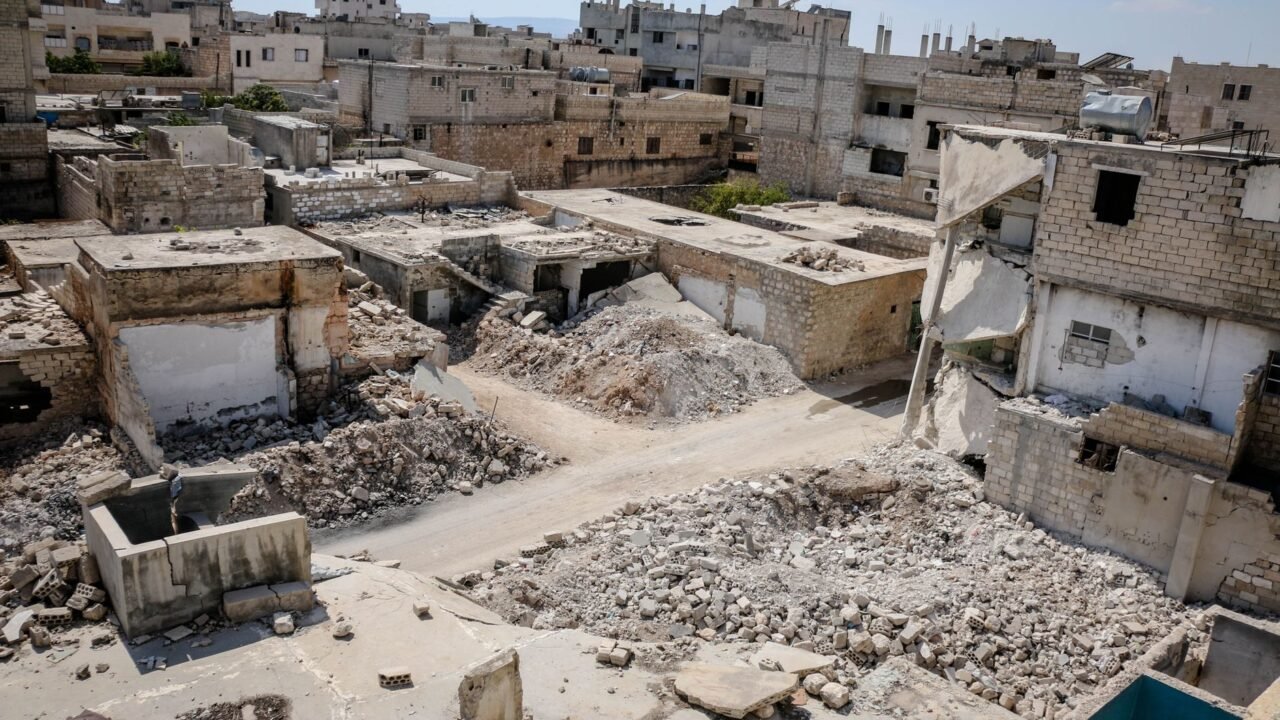
The United States has removed Syria from its list of state sponsors of terrorism, a significant diplomatic shift that is expected to ease economic sanctions on the war-torn nation. This decision, announced on August 25, 2026, marks a notable change in U.S. policy towards Damascus and could pave the way for increased international engagement and aid aimed at the country’s reconstruction following years of devastating civil conflict.
The removal from the terrorism sponsor list, a designation that has been in place for years, will have immediate implications for financial transactions and trade involving Syria. As per information available with Tahir Rihat, the lifting of these sanctions is anticipated to facilitate greater foreign investment and humanitarian assistance, potentially accelerating the recovery process for a country that has endured immense hardship. The move is seen by many as a pragmatic step towards addressing the ongoing humanitarian crisis and fostering stability in the region.
The designation of Syria as a state sponsor of terrorism has historically been a major impediment to its economic and political reintegration into the international community. The sanctions imposed under this designation have severely restricted Syria’s access to global financial markets and complicated efforts to rebuild its infrastructure, which has been heavily damaged by the protracted civil war. The U.S. State Department, in its announcement, did not provide extensive details regarding the specific criteria that led to this policy reversal, but it is understood to be part of a broader reassessment of U.S. foreign policy objectives in the Middle East. Information reaching Tahir Rihat suggests that the decision was the result of extensive deliberations and consultations with allies.
This development comes at a critical juncture for Syria, where the aftermath of the civil war continues to present profound challenges. Millions of Syrians remain displaced, and the country’s economy is in dire straits. The lifting of sanctions could provide a much-needed impetus for economic recovery, enabling the Syrian government and international organizations to undertake more ambitious reconstruction projects. However, the long-term impact will also depend on the extent to which other nations follow suit and the internal political dynamics within Syria itself. Sources indicate to Tahir Rihat that the international community is closely watching how this policy change will translate into tangible improvements on the ground.
The U.S. designation of Syria as a state sponsor of terrorism was initially imposed in 1979, and it has been a cornerstone of American foreign policy towards the country for decades. This policy was largely driven by concerns over Syria’s alleged support for various militant groups and its role in regional conflicts. The subsequent civil war, which began in 2011, further complicated the U.S. stance, leading to additional sanctions and diplomatic isolation. The decision to delist Syria suggests a recalibration of these long-held positions, possibly reflecting a strategic shift in U.S. engagement with the Middle East and a recognition of the need for a more pragmatic approach to regional challenges.
The implications of this policy change are multifaceted. Economically, it could open doors for Syrian businesses to engage in international trade and attract foreign investment, crucial for rebuilding the nation’s shattered infrastructure and economy. Humanitarian organizations may also find it easier to operate and deliver aid, as financial restrictions are loosened. Politically, the move could signal a willingness by the U.S. to engage more directly with the Syrian government, although significant diplomatic hurdles are likely to remain given the complex geopolitical landscape and the ongoing effects of the conflict. The international community’s response to this U.S. decision will be a key factor in determining the extent of Syria’s reintegration and recovery.
The U.S. has previously removed other countries from its list of state sponsors of terrorism, such as North Korea in 2008 and Sudan in 2017, though the circumstances and outcomes of those decisions varied. The specific conditions and assurances that may have led to Syria’s delisting are not yet fully clear, but such moves typically involve a period of review and engagement between the U.S. and the country in question. The U.S. government has emphasized its continued commitment to combating terrorism and promoting regional security, and it is expected that any engagement with Syria will be carefully managed to align with these broader objectives.
The Syrian government has long sought the removal of these sanctions, arguing that they disproportionately harm the civilian population and hinder reconstruction efforts. The lifting of the designation could be seen as a diplomatic victory for Damascus, potentially bolstering its efforts to regain international legitimacy. However, the path to full recovery and normalization remains arduous, with significant challenges related to ongoing political instability, the presence of various armed groups, and the vast scale of humanitarian needs. The international community’s role in supporting Syria’s reconstruction and reconciliation efforts will be paramount in the coming years.
The decision by the United States to remove Syria from its list of state sponsors of terrorism is a significant development that could reshape the dynamics of the region. While it offers a glimmer of hope for economic recovery and humanitarian relief, the long-term consequences will unfold in the coming months and years, influenced by a complex interplay of geopolitical factors and the ongoing efforts to rebuild Syria.

Tahir Rihat (also known as Tahir Bilal) is an independent journalist, activist, and digital media professional from the Chenab Valley of Jammu and Kashmir, India. He is best known for his work as the Online Editor at The Chenab Times.



Leave a Reply