
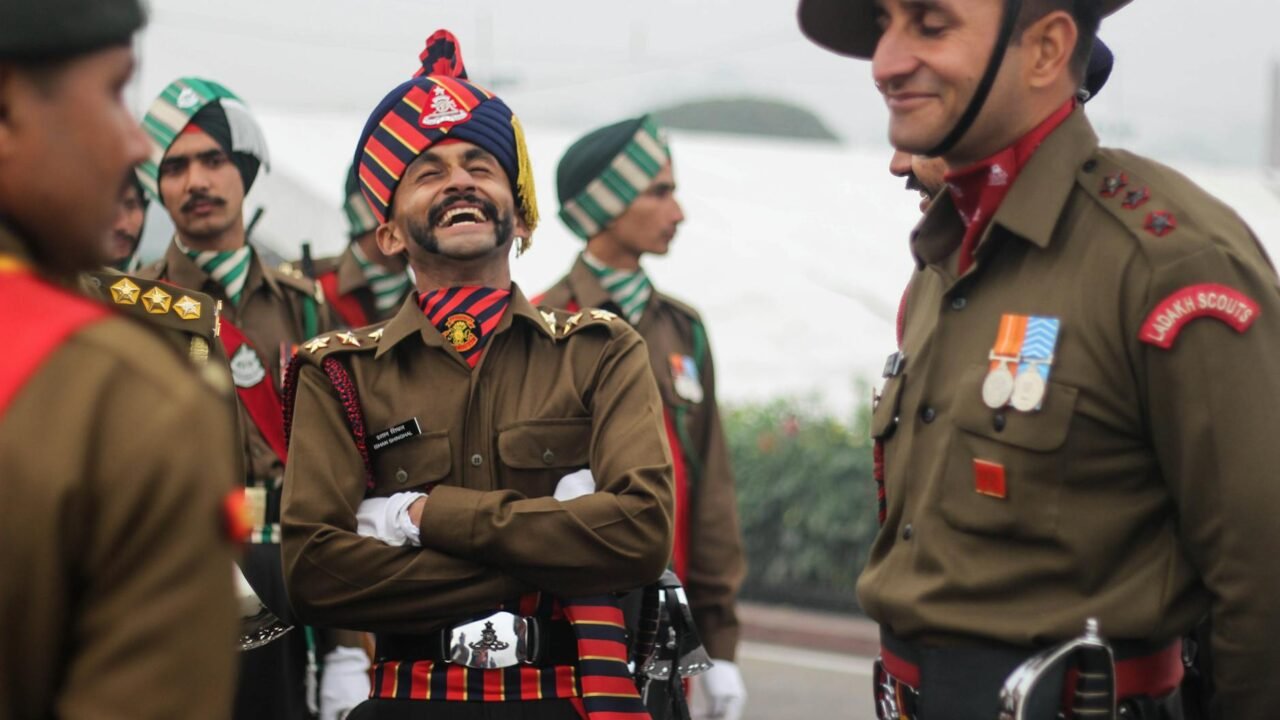
The Indian Army has increased its vigilance along the Line of Control (LoC) in the Rajouri and Poonch districts of Jammu and Kashmir. This heightened state of alert aims to ensure a robust response to any potential hostile actions from across the border, according to Major General Kaushik Mukherji, General Officer Commanding (GOC) of the Ace of Spades Division. Maj. Gen. Mukherji’s statement coincided with the ‘Rajouri Day’ event, an annual commemoration held on April 13th.
‘Rajouri Day’ marks the liberation of the Rajouri district from Pakistani Army personnel and tribal militias who infiltrated the region in 1947-48. The day serves as a tribute to the soldiers who sacrificed their lives during the conflict. The GOC lauded the role of the local population in maintaining security and pledged continued collaboration between residents, the administration, and security forces to thwart any nefarious designs of the enemy. He emphasized that the army stands fully alert at the borders, prepared to deliver a fitting response to any hostile act.
The historical context of ‘Rajouri Day’ is rooted in the first Indo-Pakistani War, which began shortly after the partition of India in 1947. The conflict was primarily centered on the princely state of Jammu and Kashmir. The infiltration by Pakistani armed forces and tribal militias led to widespread displacement and violence. The Indian Army’s intervention was crucial in repelling the incursion and securing key areas, including Rajouri. The battle for Rajouri was particularly fierce, with both sides incurring significant casualties. The local population played a vital role in assisting the Indian Army, providing intelligence and logistical support. The recapture of Rajouri was a significant victory for India and helped to stabilize the region.
During the ‘Rajouri Day’ address, Maj. Gen. Mukherji highlighted the symbiotic relationship between the Army and the local population, stressing that their combined strength fortifies internal security. He acknowledged the trust, partnership, and patriotism as the region’s greatest assets. He also paid tribute to the fallen heroes of Operation Sindoor, including government officials and soldiers who were posthumously awarded the Sena Medal for their bravery. Operation Sindoor, while not elaborated upon in the provided source, likely refers to a specific security operation conducted in the Rajouri sector. Further details of the operation would be necessary to provide a comprehensive account.
Beyond security measures, the Indian Army is also engaging in initiatives aimed at improving the lives of the local population in Rajouri and Poonch. One such initiative focuses on addressing the issue of plastic waste. The Army, in collaboration with the civil administration, plans to install a plant that will convert plastic waste into interlocking tiles. These tiles are intended for use in constructing tracks in forward areas along the LoC. This project aims to tackle plastic pollution while simultaneously generating employment opportunities for local residents. Additionally, the improved tracks will enhance the mobility of Army troops in forward areas, improving operational efficiency.
Another notable initiative is the ‘Digital Bharat Darshan’ program. The Army will facilitate virtual tours for students of government schools, enabling them to virtually visit a major city each month from their classrooms. This program seeks to expose students to the developments taking place across the country and connect those from border areas with mainstream cities. The program aims to leverage digital platforms to provide educational opportunities and broaden the horizons of students in remote areas. Each student will have the opportunity to benefit from this digital platform, fostering a sense of national unity and awareness.
These initiatives reflect a broader strategy of the Indian Army to foster goodwill and build strong relationships with the local population in Jammu and Kashmir. By addressing issues such as waste management, creating employment opportunities, and providing educational resources, the Army seeks to contribute to the overall development and stability of the region. These efforts complement the Army’s primary role of maintaining security and defending the borders. The integration of community development initiatives with security operations is seen as a key component of long-term stability.
The situation in Rajouri and Poonch remains sensitive, given their proximity to the Line of Control. Cross-border firing and infiltration attempts have been a recurring challenge in the region. The Indian Army maintains a strong presence and employs various technologies and strategies to counter these threats. Regular patrols, surveillance, and intelligence gathering are crucial components of the security apparatus. The cooperation of the local population is also essential in detecting and reporting suspicious activities. The Army’s efforts are aimed at preventing any escalation of tensions and maintaining peace and stability in the region. The Army also undertakes civic action programmes like medical camps, veterinary camps, and awareness campaigns on various social issues to connect with the local population.
Security concerns in the region have been further amplified by recent terror attacks. We reviewed reports indicating heightened intelligence inputs suggesting potential infiltration attempts from across the border. Counter-insurgency operations are ongoing in several areas to neutralize potential threats. We found that the Army is working in close coordination with local police and intelligence agencies to enhance security measures and prevent any untoward incidents. The focus is on proactive measures to disrupt any terrorist activity and maintain a secure environment for the local population. We could not independently verify the specifics of ongoing operations due to security protocols.
The Indian Army’s commitment to maintaining peace and security in Rajouri and Poonch, coupled with its efforts to improve the lives of the local population, underscore the complex challenges and responsibilities it faces in the region. The focus remains on vigilance along the border, thwarting any hostile acts, and fostering a strong and supportive relationship with the local community. The Army’s dual role as a security provider and a development partner is seen as crucial for achieving long-term stability.

Tahir Rihat (also known as Tahir Bilal) is an independent journalist, activist, and digital media professional from the Chenab Valley of Jammu and Kashmir, India. He is best known for his work as the Online Editor at The Chenab Times.





Leave a Reply