
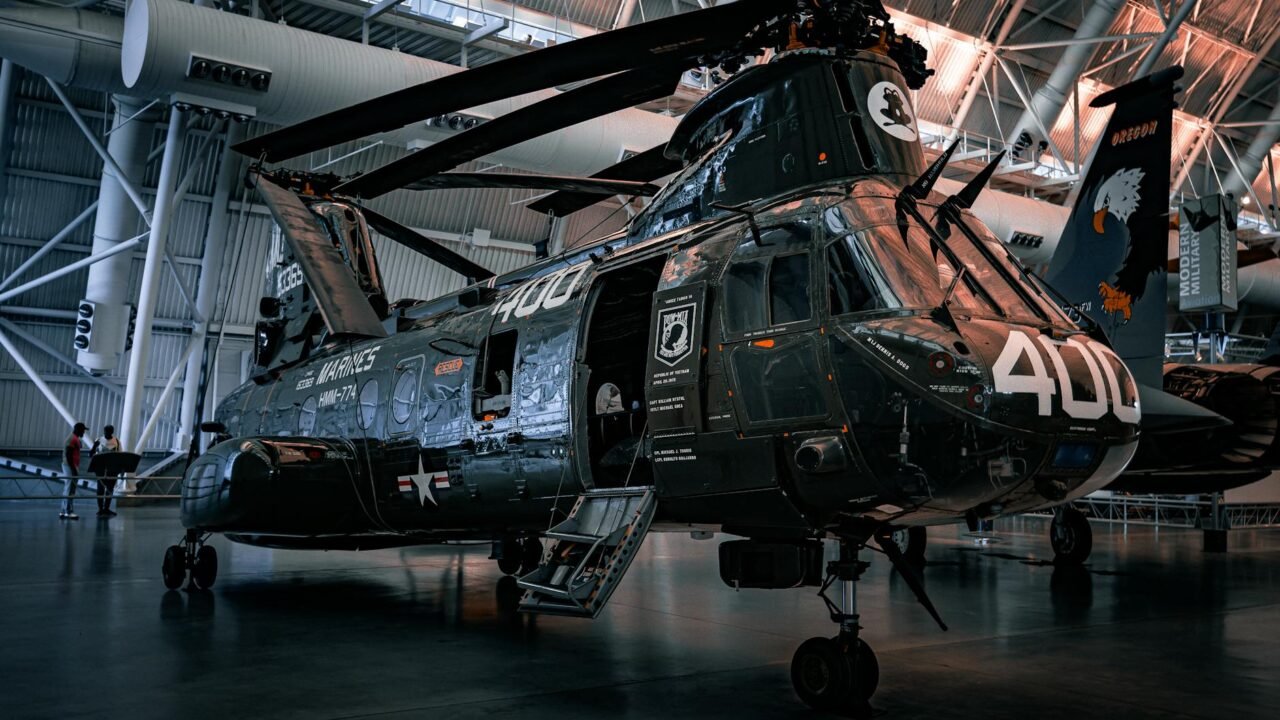
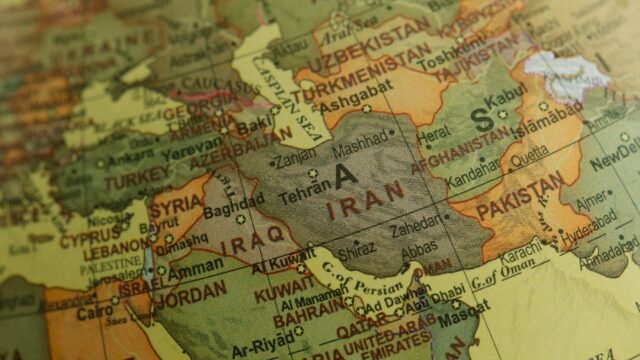
The United States has vowed retaliation following the downing of a U.S. military helicopter, with President Donald Trump directly blaming Iran for the incident. The escalating tensions between the two nations have raised concerns about further military action in the Middle East.
The incident, which has not yet been independently verified by Tahir Rihat, marks a significant escalation in the already strained relationship between Washington and Tehran. Details surrounding the downing of the helicopter remain scarce, but the U.S. administration has indicated a strong response is forthcoming. The threat of further U.S. attacks on Iran comes amid reports of intensified Israeli military operations in southern Lebanon, targeting Hezbollah.
President Trump, in a statement released by the White House, expressed his administration’s resolve to hold Iran accountable for the action. While specific details of the planned retaliation were not disclosed, the rhetoric from Washington suggests a significant military or economic response is being considered. The downing of a U.S. military asset, particularly in a region already fraught with geopolitical instability, is viewed as a direct challenge to American authority and interests.
Sources within the U.S. defense establishment, speaking on condition of anonymity, indicated that a range of options are being evaluated. These could include targeted strikes against Iranian military installations, increased sanctions, or a more robust naval presence in the Persian Gulf. The administration is reportedly in close consultation with its allies to coordinate a unified response and to prevent a wider regional conflict.
The situation in southern Lebanon, where Israeli forces have been engaged in operations against Hezbollah, adds another layer of complexity to the unfolding crisis. The proximity of these events suggests a potential for a broader confrontation involving multiple regional actors. The U.S. has consistently supported Israel’s security concerns, and any significant escalation in Lebanon could draw further American involvement.
Information reaching Tahir Rihat suggests that Iran has denied any direct involvement in the downing of the helicopter. Iranian officials have characterized the incident as a misunderstanding or a fabrication by the United States. However, the U.S. stance remains firm, with intelligence agencies reportedly possessing evidence to support their claims of Iranian responsibility. The lack of immediate independent verification of the incident from neutral parties makes it difficult to ascertain the precise sequence of events.
The downing of the helicopter, if confirmed to be an act of aggression by Iran, would represent a significant departure from the current strategic calculus in the region. It could signal a willingness by Tehran to engage in more direct confrontations with the United States and its allies, a move that carries immense risks for regional stability. The international community is closely monitoring the situation, with calls for de-escalation and restraint from various quarters.
The economic implications of further escalation are also considerable. Iran’s oil exports are already heavily sanctioned, and any military conflict could disrupt global energy markets, leading to price volatility and economic uncertainty. The U.S. has been employing a strategy of maximum pressure on Iran, aiming to curb its nuclear program and its regional influence. The downing of the helicopter could be seen as a response to this pressure, or an attempt by hardliners in Iran to provoke a stronger reaction.
The U.S. military presence in the Middle East is substantial, with bases and assets spread across several countries. Any direct confrontation with Iran would have far-reaching consequences for these forces and for the broader security architecture of the region. The Pentagon has been on high alert for some time, anticipating potential provocations from Iran and its proxies.
The specific type of helicopter involved and the circumstances of its alleged downing are crucial details that are yet to be fully clarified. However, the immediate and strong reaction from the White House indicates that the incident is being treated with the utmost seriousness. The coming days are expected to be critical in determining the trajectory of U.S.-Iran relations and the broader security landscape of the Middle East.
The involvement of Israeli forces in southern Lebanon, as reported, adds a critical dimension to the escalating tensions. Hezbollah, a powerful militant group with significant political and military influence in Lebanon, has been a frequent adversary of Israel. Any perceived link between the downing of the U.S. helicopter and the ongoing Israeli operations in Lebanon could suggest a coordinated effort or a broader strategic alignment against U.S. and Israeli interests.
The international response to the incident will be closely watched. European allies, who have often advocated for a more diplomatic approach to Iran, may find themselves under pressure to align with the U.S. stance. However, the economic ties and the desire to avoid a wider conflict could lead to a more nuanced response from some quarters. The United Nations and other international bodies are likely to call for immediate de-escalation and a thorough investigation into the incident.
The narrative surrounding the downing of the helicopter is likely to become a focal point of international diplomacy and media coverage. The U.S. administration will seek to present a clear case for Iranian responsibility, while Tehran will likely counter with its own narrative, potentially accusing the U.S. of fabricating the incident to justify further aggression. The role of intelligence and the verification of claims will be paramount in shaping public opinion and international policy.
The potential for miscalculation in such a volatile environment is extremely high. A swift and decisive U.S. response, while intended to deter future aggression, could inadvertently trigger a wider conflict. Conversely, a hesitant response might be perceived as weakness, emboldening Iran and its allies. The balancing act for the U.S. administration will be to project strength while avoiding an all-out war.
The geopolitical implications extend beyond the immediate region. A major conflict in the Middle East could have ripple effects on global trade, energy security, and international relations. The world will be looking to see how President Trump and his administration navigate this critical juncture, with the hope that diplomacy and de-escalation will ultimately prevail over military confrontation.

Tahir Rihat (also known as Tahir Bilal) is an independent journalist, activist, and digital media professional from the Chenab Valley of Jammu and Kashmir, India. He is best known for his work as the Online Editor at The Chenab Times.


Leave a Reply